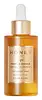
This hydrating ampoule is formulated around Niacinamide and Propolis Extract to hydrate skin and strengthen the skin barrier.
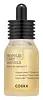
This calming ampoule is formulated around Propolis Extract and Panthenol to calm redness and hydrate skin.

What's inside
What's inside
 Key Ingredients
Benefits
Concerns
No concerns
Ingredients Side-by-side
Water
Skin ConditioningPentylene Glycol
Skin Conditioning
Glycerin
Humectant

Methyl Gluceth-20
Humectant
Polyglycerin-3
Humectant
Niacinamide
Smoothing









Butylene Glycol
Humectant
1,2-Hexanediol
Skin Conditioning
Alcohol
Antimicrobial




Propolis Extract
Skin Conditioning
Octyldodeceth-16
EmulsifyingDipropylene Glycol
HumectantMethylpropanediol
SolventLaminaria Japonica Extract
Skin Protecting
Eclipta Prostrata Leaf Extract
Skin ConditioningHoney
Humectant
Acrylates/C10-30 Alkyl Acrylate Crosspolymer
Emulsion StabilisingGlyceryl Polymethacrylate
Xanthan Gum
EmulsifyingTromethamine
BufferingPropanediol
Solvent
Parfum
Masking

Adenosine
Skin Conditioning
Fructooligosaccharides
Humectant
Hydrogenated Lecithin
Emulsifying
Beta-Glucan
Skin Conditioning
Cynara Scolymus Leaf Extract
Skin ConditioningAvena Sativa Kernel Extract
Abrasive

Polyquaternium-51
Skin Conditioning
Camellia Sinensis Leaf Water
Masking
Melia Azadirachta Leaf Extract
Skin ConditioningMelia Azadirachta Flower Extract
Skin ConditioningCurcuma Longa Root Extract
Antioxidant
Theobroma Cacao Seed Extract
Antioxidant
Dextrin
AbsorbentAcmella Oleracea Extract
Skin ProtectingHydrolyzed Hyaluronic Acid
Humectant
Ocimum Sanctum Leaf Extract
Skin ConditioningCorallina Officinalis Extract
Skin Conditioning
Butyrospermum Parkii Butter
Skin Conditioning

Phenethyl Alcohol
MaskingEthylhexylglycerin
Skin ConditioningMaltodextrin
Absorbent
Hydrolyzed Royal Jelly Protein
Skin ConditioningWater, Pentylene Glycol, Glycerin, Methyl Gluceth-20, Polyglycerin-3, Niacinamide, Butylene Glycol, 1,2-Hexanediol, Alcohol, Propolis Extract, Octyldodeceth-16, Dipropylene Glycol, Methylpropanediol, Laminaria Japonica Extract, Eclipta Prostrata Leaf Extract, Honey, Acrylates/C10-30 Alkyl Acrylate Crosspolymer, Glyceryl Polymethacrylate, Xanthan Gum, Tromethamine, Propanediol, Parfum, Adenosine, Fructooligosaccharides, Hydrogenated Lecithin, Beta-Glucan, Cynara Scolymus Leaf Extract, Avena Sativa Kernel Extract, Polyquaternium-51, Camellia Sinensis Leaf Water, Melia Azadirachta Leaf Extract, Melia Azadirachta Flower Extract, Curcuma Longa Root Extract, Theobroma Cacao Seed Extract, Dextrin, Acmella Oleracea Extract, Hydrolyzed Hyaluronic Acid, Ocimum Sanctum Leaf Extract, Corallina Officinalis Extract, Butyrospermum Parkii Butter, Phenethyl Alcohol, Ethylhexylglycerin, Maltodextrin, Hydrolyzed Royal Jelly Protein
Reviews
Ingredients Explained
These ingredients are found in both products.
Ingredients higher up in an ingredient list are typically present in a larger amount.
1,2-Hexanediol is a synthetic liquid and another multi-functional powerhouse.
It is a:
- Humectant, drawing moisture into the skin
- Emollient, helping to soften skin
- Solvent, dispersing and stabilizing formulas
- Preservative booster, enhancing the antimicrobial activity of other preservatives
Butylene Glycol (or BG) is used within cosmetic products for a few different reasons:
Overall, Butylene Glycol is a safe and well-rounded ingredient that works well with other ingredients.
Though this ingredient works well with most skin types, some people with sensitive skin may experience a reaction such as allergic rashes, closed comedones, or itchiness.
Learn more about Butylene GlycolGlycerin (or glycerol) is a compound naturally found in your skin. It's a powerhouse humectant that pulls water into the stratum corneum.
Topically, glycerin does several things at once:
Your skin makes glycerin on its own (mostly from sebaceous oil breakdown) and shuttles it to your outermost layer of skin, or your epidermis, via aquaporin-3.
Aquaporin-3 is a transporter that is essential for normal skin hydration, elasticity, and repair. Interestingly, mice lacking in AQP3 have dry and less elastic skin that can be fully corrected with glycerin.
This ingredient is non-irritating, plays well with almost every ingredient, and works across all skin types. Typical use is anywhere between 3-10% but can go up to 79% in some leave-on products.
Just know very high concentrations (>40%) can feel tacky in low humidity.
Glycerin is the name for this ingredient in American English. British English uses Glycerol/Glycerine.
Learn more about GlycerinPropolis Extract is a natural ingredient derived from propolis (also known as bee glue). Bees make propolis by mixing their saliva and beeswax with resins collected from tree buds and plants.
This ingredient is packed with bioactive compounds like flavonoids, phenolic acids, and amino acids that give it antioxidant and anti-inflammatory properties.
Research shows it can help:
It also pairs nicely with hydrating ingredients like niacinamide and ceramides.
Just so you know, Propolis Extract is recognized as a contact allergen. In patch tests done in the EU, roughly 1-6% of patients react to it. Be sure to steer clear of this ingredient if you have a known allergy to bee products.
Since it is an animal-derived product, this ingredient is not considered vegan. For vegan alternatives, check out Galactomyces Ferment Filtrate or Centella Asiatica Extract.
Learn more about Propolis Extract

