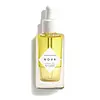
This brightening oil is formulated around Squalane and Niacinamide to brighten dull-looking skin and hydrate skin.
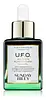
This acne oil is formulated around Glycyrrhiza Glabra Root Extract and 4-Terpineol to clear breakouts and fade the look of dark spots.

What's inside
What's inside
 Key Ingredients
Benefits
Concerns
Ingredients Side-by-side
Squalane
Emollient


Water
Skin ConditioningPropanediol
Solvent
Niacinamide
Smoothing









Angelica Acutiloba Root Extract
Skin ConditioningCystoseira Tamariscifolia Extract
Skin Conditioning

Dipotassium Glycyrrhizate
Humectant
Hippophae Rhamnoides Fruit Oil
Skin Protecting


Simmondsia Chinensis Seed Oil
Emollient
Persea Gratissima Oil
Skin Conditioning
Curcuma Longa Root Extract
Antioxidant

Glycerin
Humectant
Mannitol
Humectant
Ergothioneine
Antioxidant
Butylene Glycol
Humectant
Caprylhydroxamic Acid
ChelatingTrisodium Ethylenediamine Disuccinate
Chelating1,2-Hexanediol
Skin Conditioning
Hydroxyacetophenone
Antioxidant
Citric Acid
Buffering
Xanthan Gum
EmulsifyingCitrus Aurantium Amara Flower Oil
Masking
Citrus Aurantium Bergamia Peel Oil
Perfuming



Citrus Aurantium Amara Flower Extract
RefreshingSqualane, Water, Propanediol, Niacinamide, Angelica Acutiloba Root Extract, Cystoseira Tamariscifolia Extract, Dipotassium Glycyrrhizate, Hippophae Rhamnoides Fruit Oil, Simmondsia Chinensis Seed Oil, Persea Gratissima Oil, Curcuma Longa Root Extract, Glycerin, Mannitol, Ergothioneine, Butylene Glycol, Caprylhydroxamic Acid, Trisodium Ethylenediamine Disuccinate, 1,2-Hexanediol, Hydroxyacetophenone, Citric Acid, Xanthan Gum, Citrus Aurantium Amara Flower Oil, Citrus Aurantium Bergamia Peel Oil, Citrus Aurantium Amara Flower Extract
Silybum Marianum Seed Oil
Skin Conditioning
Nigella Sativa Seed Oil
Emollient
Cucumis Sativus Seed Oil
Emollient
Punica Granatum Seed Oil
Emollient
Diisopropyl Sebacate
EmollientVaccinium Macrocarpon Seed Oil
Skin Conditioning
Dimethyl Isosorbide
SolventLinum Usitatissimum Seed Oil
Perfuming
Caprylic/Capric Triglyceride
Masking
Glycyrrhiza Glabra Root Extract
Bleaching
Prunus Armeniaca Kernel Oil
Masking
Hexylresorcinol
Antimicrobial
Ethyl Linoleate
Emollient
Melia Azadirachta Leaf Extract
Skin ConditioningChamomilla Recutita Flower Oil
Masking
Citrus Aurantium Amara Flower Oil
Masking
Melia Azadirachta Flower Extract
Skin ConditioningHelianthus Annuus Seed Oil
Emollient
4-Terpineol
Masking
Simmondsia Chinensis Seed Oil
Emollient
Coccinia Indica Fruit Extract
Skin Conditioning
Solanum Melongena Fruit Extract
Skin ConditioningAmber Powder
Curcuma Longa Root Extract
Antioxidant
Curcuma Longa Leaf Extract
Skin ConditioningOcimum Sanctum Leaf Extract
Skin ConditioningAloe Barbadensis Flower Extract
EmollientCorallina Officinalis Extract
Skin Conditioning
Rosmarinus Officinalis Leaf Extract
AntimicrobialMoringa Oleifera Seed Oil
Emollient
Tocopherol
Antioxidant
Citrus Paradisi Peel Oil
Masking
Ocimum Basilicum Flower/Leaf Extract
TonicSilybum Marianum Seed Oil, Nigella Sativa Seed Oil, Cucumis Sativus Seed Oil, Punica Granatum Seed Oil, Diisopropyl Sebacate, Vaccinium Macrocarpon Seed Oil, Dimethyl Isosorbide, Linum Usitatissimum Seed Oil, Caprylic/Capric Triglyceride, Glycyrrhiza Glabra Root Extract, Prunus Armeniaca Kernel Oil, Hexylresorcinol, Ethyl Linoleate, Melia Azadirachta Leaf Extract, Chamomilla Recutita Flower Oil, Citrus Aurantium Amara Flower Oil, Melia Azadirachta Flower Extract, Helianthus Annuus Seed Oil, 4-Terpineol, Simmondsia Chinensis Seed Oil, Coccinia Indica Fruit Extract, Solanum Melongena Fruit Extract, Amber Powder, Curcuma Longa Root Extract, Curcuma Longa Leaf Extract, Ocimum Sanctum Leaf Extract, Aloe Barbadensis Flower Extract, Corallina Officinalis Extract, Rosmarinus Officinalis Leaf Extract, Moringa Oleifera Seed Oil, Tocopherol, Citrus Paradisi Peel Oil, Ocimum Basilicum Flower/Leaf Extract
Ingredients Explained
These ingredients are found in both products.
Ingredients higher up in an ingredient list are typically present in a larger amount.
This ingredient is also known as bitter orange flower oil, or neroli flower oil. It imparts a floral, sweet, and citrusy scent.
It is rich in linalool, linalyl acetate, limonene, and nerolidol.
Curcuma Longa Root Extract comes from the rhizome (underground stem) of the turmeric plant.
While the official EU Cosing Database lists this ingredient as a fragrance, it actually does more than give products a scent.
This ingredient contains a group of yellow pigments called curcuminoids (mostly curcumin) that give it genuine antioxidant and anti-inflammatory activity in skin.
Reviews of topical clinical studies have found turmeric/curcumin to be generally well-tolerated and useful across conditions like eczema and mild inflammation.
One thing working in its favor is that curcumin barely penetrates; in lab skin-permeation testing, the curcuminoids mostly stayed in the outermost layer of skin. This is a good thing because its soothing and antioxidant activity is a surface-level job anyway.
At this time, industry data shows there's no single "correct" cosmetic percentage. It's used across a wide range depending on the product and varies from tiny fractions of a percent up to a few percent.
Allergy-wise, curcumin is a documented (but uncommon) contact allergen. It can also cross react with related plants, so anyone with a turmeric/ginger/cinnamon allergy or reactive skin should patch test first.
Learn more about Curcuma Longa Root ExtractJojoba oil is one of the most well-studied plant-derived ingredients in cosmetics. It is an emollient with a special structure.
Because it is made up of 97-98% wax esters, it closely mirrors the linear monoesters found in human sebum. This makes it skin compatible, non-greasy, and lightweight.
Unlike other plant oils, jojoba wax doesn't easily penetrate skin. It mostly works in the uppermost layers as an emollient. This just means it forms a light barrier on the skin to help retain moisture.
Formulations with jojoba esters up to 90% reduced transepidermal water loss (TEWL) and increased barrier recovery by 81% (outperforming bisabolol at 47%).
Besides barrier support, the science also suggests jojoba to have anti-inflammatory effects and potential applications for skin infections, aging, and wound healing.
Fun fact: Indigenous cultures have used jojoba as a moisturizer and to help treat burns for centuries.
Fungal acne: The Malassezia yeast is known to metabolize fatty acids in the C11-24 range and jojoba's dominant fatty acid components fall into this range. This ingredient may not be fungal acne safe.
Learn more about Simmondsia Chinensis Seed Oil

