

What's inside
What's inside
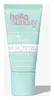 Key Ingredients
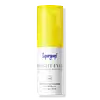
Benefits
Concerns
Ingredients Side-by-side
Water
Skin ConditioningIsoamyl Cocoate



Zinc Oxide
Cosmetic Colorant


Titanium Dioxide
Cosmetic Colorant
Caprylic/Capric Triglyceride
Masking

Glycerin
Humectant
Propanediol
Solvent
Jojoba Esters
Emollient
Olive Oil Polyglyceryl-6 Esters
Emollient
Helianthus Annuus Seed Wax
Skin Conditioning
Polyglyceryl-6 Pentaoleate
Emulsifying
Magnesium Sulfate
Hydrogenated Castor Oil
Emollient
Magnesium Stearate
Cosmetic ColorantSilica
Abrasive

Stearalkonium Hectorite
Gel FormingPolyglyceryl-3 Diisostearate
Emulsifying

Polyglyceryl-3 Polyricinoleate
Emulsifying
Phenoxyethanol
Preservative
Hydroxyacetophenone
Antioxidant


CI 77492
Cosmetic ColorantHydrolyzed Wheat Protein
Skin ConditioningCarnosine
Skin Conditioning
Xanthan Gum
EmulsifyingAcacia Decurrens Flower Wax
Emollient
Polyglycerin-3
Humectant
Pvp
Emulsion StabilisingCI 77491
Cosmetic ColorantSodium Hydroxide
BufferingEthylhexylglycerin
Skin ConditioningCI 77499
Cosmetic ColorantAvena Sativa Kernel Extract
Abrasive
Lactobacillus Ferment
Skin Conditioning
Sodium Benzoate
Masking
Potassium Sorbate
Preservative
Tocopherol
Antioxidant


Acetyl Hexapeptide-19
Skin Conditioning
Acetyl Hexapeptide-31
Skin Conditioning
Palmitoyl Hexapeptide-32
Skin Conditioning
Water, Isoamyl Cocoate, Zinc Oxide, Titanium Dioxide, Caprylic/Capric Triglyceride, Glycerin, Propanediol, Jojoba Esters, Olive Oil Polyglyceryl-6 Esters, Helianthus Annuus Seed Wax, Polyglyceryl-6 Pentaoleate, Magnesium Sulfate, Hydrogenated Castor Oil, Magnesium Stearate, Silica, Stearalkonium Hectorite, Polyglyceryl-3 Diisostearate, Polyglyceryl-3 Polyricinoleate, Phenoxyethanol, Hydroxyacetophenone, CI 77492, Hydrolyzed Wheat Protein, Carnosine, Xanthan Gum, Acacia Decurrens Flower Wax, Polyglycerin-3, Pvp, CI 77491, Sodium Hydroxide, Ethylhexylglycerin, CI 77499, Avena Sativa Kernel Extract, Lactobacillus Ferment, Sodium Benzoate, Potassium Sorbate, Tocopherol, Acetyl Hexapeptide-19, Acetyl Hexapeptide-31, Palmitoyl Hexapeptide-32
Zinc Oxide 14.4%
Cosmetic Colorant
Water
Skin ConditioningCaprylic/Capric Triglyceride
Masking
Glycerin
Humectant
Propanediol
Solvent
Butyloctyl Salicylate
Skin Conditioning
Glyceryl Stearate Citrate
Emollient
Lauroyl Lysine
Skin Conditioning
Cetyl Esters
Emollient
Inulin Lauryl Carbamate
Emulsion StabilisingPolyhydroxystearic Acid
Emulsifying
Cetearyl Alcohol
Emollient
Potassium Cetyl Phosphate
EmulsifyingGriffonia Simplicifolia Seed Extract
Skin ConditioningTitanium Dioxide
Cosmetic Colorant
Olive Oil Polyglyceryl-6 Esters
Emollient
Mica
Cosmetic ColorantTriethoxycaprylylsilane

Microcrystalline Cellulose
AbsorbentGlyceryl Glucoside
Humectant
Hydroxyacetophenone
Antioxidant
Polyurethane-79
Diethylhexyl Syringylidenemalonate
Skin ProtectingSodium Stearoyl Lactylate
Emulsifying1,2-Hexanediol
Skin Conditioning
Caprylyl Glycol
Emollient
Sodium Citrate
BufferingTrisodium Ethylenediamine Disuccinate
Camellia Sinensis Leaf Extract
Antimicrobial
Lactobacillus Ferment Lysate
Skin Conditioning
Punica Granatum Extract
AstringentSodium Stearoyl Glutamate
CleansingXanthan Gum
EmulsifyingCellulose Gum
Emulsion StabilisingIron Oxides
Hedychium Coronarium Root Extract
MaskingLactobacillus Ferment
Skin Conditioning
Caffeine
Skin Conditioning
Leuconostoc/Radish Root Ferment Filtrate
Antimicrobial
Tin Oxide
Abrasive
Zinc Oxide 14.4%, Water, Caprylic/Capric Triglyceride, Glycerin, Propanediol, Butyloctyl Salicylate, Glyceryl Stearate Citrate, Lauroyl Lysine, Cetyl Esters, Inulin Lauryl Carbamate, Polyhydroxystearic Acid, Cetearyl Alcohol, Potassium Cetyl Phosphate, Griffonia Simplicifolia Seed Extract, Titanium Dioxide, Olive Oil Polyglyceryl-6 Esters, Mica, Triethoxycaprylylsilane, Microcrystalline Cellulose, Glyceryl Glucoside, Hydroxyacetophenone, Polyurethane-79, Diethylhexyl Syringylidenemalonate, Sodium Stearoyl Lactylate, 1,2-Hexanediol, Caprylyl Glycol, Sodium Citrate, Trisodium Ethylenediamine Disuccinate, Camellia Sinensis Leaf Extract, Lactobacillus Ferment Lysate, Punica Granatum Extract, Sodium Stearoyl Glutamate, Xanthan Gum, Cellulose Gum, Iron Oxides, Hedychium Coronarium Root Extract, Lactobacillus Ferment, Caffeine, Leuconostoc/Radish Root Ferment Filtrate, Tin Oxide
Ingredients Explained
These ingredients are found in both products.
Ingredients higher up in an ingredient list are typically present in a larger amount.
Caprylic/Capric Triglyceride (aka MCT Oil) is a lightweight emollient, solvent, and texture enhancer. It is considered a skin-softener by helping to prevent moisture loss.
Though it behaves like an oil, it is not technically one due to its chemical composition. One perk of this ingredient is that it is very stable, resistant to oxidation, and unlikely to go rancid.
In practice, that translates to a long shelf life and a consistently elegant skin feel.
While there is an assumption Caprylic Triglyceride can clog pores due to it being derived from coconut oil, there is no research supporting this. Just patch test if you have concerns.
Fractionated coconut oil and MCT Oil are both listed as Caprylic/Capric Triglyceride according to INCI. This is because INCI names are based on the ingredient’s final chemical composition and not its marketing name or source.
This ingredient is treated as the gold standard fungal acne safe oil. Even though it is coconut derived, the problematic lauric acid is stripped out.
This leaves just caprylic (C8) and capric (C10) acid. These chain lengths actually trend antifungal; a 2020 study found caprylic acid was enough to disrupt Malassezia furfur cell membrane, with a caprylic acid derivative damaging membrane structures at concentrations as low as 0.2%.
Learn more about Caprylic/Capric TriglycerideGlycerin (or glycerol) is a compound naturally found in your skin. It's a powerhouse humectant that pulls water into the stratum corneum.
Topically, glycerin does several things at once:
Your skin makes glycerin on its own (mostly from sebaceous oil breakdown) and shuttles it to your outermost layer of skin, or your epidermis, via aquaporin-3.
Aquaporin-3 is a transporter that is essential for normal skin hydration, elasticity, and repair. Interestingly, mice lacking in AQP3 have dry and less elastic skin that can be fully corrected with glycerin.
This ingredient is non-irritating, plays well with almost every ingredient, and works across all skin types. Typical use is anywhere between 3-10% but can go up to 79% in some leave-on products.
Just know very high concentrations (>40%) can feel tacky in low humidity.
Glycerin is the name for this ingredient in American English. British English uses Glycerol/Glycerine.
Learn more about GlycerinHydroxyacetophenone is antioxidant with skin conditioning and soothing properties. It also boosts the efficiency of preservatives.
Though naturally occuring in Norwegian spruce needles, this ingredient is usually synthetically created.
This ingredient is not irritating or sensitizing. Recent research also suggests it may have skin-brightening effects through tyrosinase inhibition.
Learn more about HydroxyacetophenoneThis ingredient is made when the Lactobacillus bacteria (the same kind that makes yogurt and kimchi) are allowed to ferment a nutrient medium.
As it ferments, it collects lactic acid, peptides, enzymes, and other bioactive metabolites to provide:
A 2023 review noted that probiotic fermentation ingredients like this one can enhance antioxidant capacity, reduce UV-induced oxidative damage, and support barrier function.
One clinical study from the same year showed a Lactobacillus ferment lysate significantly reduced transepidermal water loss and improved skin hydration.
Another review highlighted that topical Lactobacillus-based preparations can improve ceramide levels in the stratum corneum, support barrier integrity, and even help reduce S. aureus colonization in atopic dermatitis.
Why is this so cool?
Basically, your skin's outer layer works as a brick wall; skin cells are bricks and ceramides are the mortar holding it together. Moisture escapes, irritants get in, and your skin gets dry and reactive when ceramide levels drop. On top of that, "bad" skin bacteria S. aureus loves to move in when your barrier is weak to make inflammation and irritation worse.
So Lactobacillus ferment is basically patching the wall and evicting the troublemaker when it boosts ceramide production and help keep S. aureus in check.
On top of all this, it also acts as a mild antimicrobial preservative booster.
Just so you know, most studies focus on specific strains or the lysate form rather than this generic "Lactobacillus Ferment", so results can vary.
Though it's a promising ingredient, it doesn't have decades of robust clinical data behind it just yet.
Lactobacillus Ferment is generally considered safe for fungal-acne prone skin. The key thing to understand is that it comes from bacteria, not yeast or fungus.
Yeast-derived ferments (like galactomyces) have been shown to activate a protein that's linked to Malassezia-related skin issues whereas lactobacillus doesn't have that problem.
Its byproducts also don't contain the types of fatty acids (C11-24 chain lengths) that Malassezia feeds on.
Learn more about Lactobacillus FermentOlive Oil Polyglyceryl-6 Esters is an oil and isn't fungal acne safe.
Propanediol is an all-star ingredient. It softens, hydrates, and smooths the skin.
It’s often used to:
Propanediol is not likely to cause sensitivity and considered safe to use. It is derived from corn or petroleum with a clear color and no scent.
Learn more about PropanediolTitanium dioxide is a mineral UV filter widely used in sunscreens and cosmetics.
It is one of only two UV filters officially classified as “mineral” by regulatory agencies, the other being zinc oxide.
Titanium dioxide provides broad-spectrum protection mostly in the UVB and UVAII range, with some protection in the UVAI range.
While its UVA protection isn’t as strong as zinc oxide’s, the difference is minor.
A common myth is that mineral UV filters reflect UV light. However, modern research shows titanium dioxide absorbs UV radiation like chemical filters (~95% absorption & 5% reflection).
Thanks to its non-irritating nature, titanium dioxide is suitable for sensitive, acne-prone, or redness-prone skin. It is unlikely to cause "eye sting" like other sunscreen ingredients.
A major drawback of this ingredient is its white cast and thick texture. This is why mineral sunscreens often leave a white cast and are less cosmetically elegant than chemical/hybrid sunscreens.
To improve white cast and spreadability, micronized or nano-sized titanium dioxide is often used.
There are ongoing concerns surrounding nano-titanium oxide's impact on marine ecosystems.
There is no conclusive evidence that any form of titanium oxide (or any other sunscreen ingredients) will cause harm to marine ecosystems or coral reefs. The science is still developing but many consumers are keeping a close eye on this issue.
Please note, many destinations have reef-safety sunscreen rules. For instance, the U.S. Virgin Islands advises all visitors to use non-nano mineral sunscreens.
Nano mineral sunscreens once raised safety concerns about absorption into skin.
Extensive research has shown that they do not penetrate healthy or damaged skin; they remain safely on the surface and the top layer of dead skin (stratum corneum).
You'll likely find titanium dioxide bundled with alumina, silica, or dimethicone. These ingredients help make titanium dioxide highly photostable; this prevents it from interacting with other formula components under UV light.
Learn more about Titanium DioxideWater. It's the most common cosmetic ingredient of all. You'll usually see it at the top of ingredient lists, meaning that it makes up the largest part of the product.
So why is it so popular? Water most often acts as a solvent - this means that it helps dissolve other ingredients into the formulation.
You'll also recognize water as that liquid we all need to stay alive. If you see this, drink a glass of water. Remember to stay hydrated!
Learn more about WaterXanthan gum is used as a stabilizer and thickener within cosmetic products. It helps give products a sticky, thick feeling - preventing them from being too runny.
On the technical side of things, xanthan gum is a polysaccharide - a combination consisting of multiple sugar molecules bonded together.
Xanthan gum is a pretty common and great ingredient. It is a natural, non-toxic, non-irritating ingredient that is also commonly used in food products.
Learn more about Xanthan GumZinc Oxide is a mineral broad-spectrum UV filter; it is the broadest UVA and UVB reflector approved by the FDA. It also has skin protectant and skin soothing properties.
Zinc oxide is one of the most effective broad-spectrum UV filters. It protects against UVB, UVAII, and UVAI. In comparison to its counterpart titanium dioxide, zinc oxide provides uniform and extended UVA protection.
Another great benefit? This ingredient is highly photostable so it won't degrade easily under sunlight.
A common myth is that mineral UV filters are widely believed to primarily reflect UV light.
However, modern research shows titanium dioxide absorbs UV radiation like chemical filters (~95% absorption & 5% reflection).
Zinc oxide has great skin soothing properties so you'll likely find this in sunscreens formulated for sensitive skin or babies/children. It is unlikely to cause "eye sting" like other sunscreen ingredients.
Regulatory agencies consider zinc oxide to be non-toxic and safe. It has also been shown to not penetrate the skin.
Unfortunately, this ingredient does leave a visible white cast. This is why mineral sunscreens are often less cosmetically elegant than chemical or hybrid ones.
In cosmetics, zinc oxide can be found in both non-nano and nano-sized forms. The nano version is used to reduce white cast and improve the texture of sunscreen formulas.
There are ongoing concerns surrounding nano-zinc oxide's impact on marine ecosystems and whether it can be absorbed into skin.
Regarding marine ecosystems and coral reefs, there is no conclusive evidence that any form of zinc oxide (or any other sunscreen ingredients) will cause harm. The science is still developing but many consumers are keeping a close eye on this issue.
Please note, many destinations have reef-safety sunscreen rules. For instance, the U.S. Virgin Islands advises all visitors to use non-nano mineral sunscreens.
There has also been some stir about whether micronized or nano zinc oxide has potential photoxicity and absorption through the skin/lungs.
An in-vitro (done in a test tube or petri dish) study demonstrated micronized zinc oxide to have potential phototoxicity. There's no need to fret; the EU Commission's Scientific Committee on Consumer Safety has stated, "The relevance of these findings needs to be clarified by appropriate investigations in vivo." Or in other words, further studies done on living organisms are needed to prove this.
Current research shows zinc oxide nanoparticles do not penetrate intact or sunburned skin. They either remain on the surface or in the outermost layer of dead skin (stratum corneum).
Zinc oxide is one of only two classified mineral UV filters with titanium dioxide being the other one.
Fun fact: Zinc has been used throughout history as an ingredient in paint and medicine. An Indian text from 500BC is believed to list zinc oxide as a salve for open wound. The Ancient Greek physician Dioscorides has also mentioned the use of zinc as an ointment in 1AD.
Learn more about Zinc Oxide
