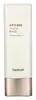
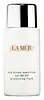
This chemical sunscreen covers the full UV range and blocks ~98% of UVB at SPF 50.
This sunscreen offers SPF 50 protection with a matte finish that helps control shine.


What's inside
What's inside
 Key Ingredients
Benefits
Concerns
Ingredients Side-by-side
Water
Skin ConditioningButylene Glycol
Humectant

Ethylhexyl Methoxycinnamate
UV Absorber


Ethylhexyl Salicylate
UV Absorber
Phenylbenzimidazole Sulfonic Acid
UV Absorber
Stearyl Alcohol
Emollient


Triethanolamine
BufferingOctocrylene
UV Absorber
Niacinamide
Smoothing










Diethylamino Hydroxybenzoyl Hexyl Benzoate
UV Filter
Hydroxyethyl Acrylate/Sodium Acryloyldimethyl Taurate Copolymer
Emulsion StabilisingButyl Methoxydibenzoylmethane
UV Absorber
Synthetic Fluorphlogopite
CI 77891
Cosmetic ColorantMica
Cosmetic ColorantPEG-100 Stearate
Surfactant
Hydrogenated Lecithin
Emulsifying
Glyceryl Stearate
Emollient
Beeswax
Emulsion Stabilising

Caprylyl Glycol
Emollient
Carbomer
Emulsion StabilisingAdenosine
Skin Conditioning
Disodium EDTA
ChelatingTin Oxide
Abrasive
CI 75470
Cosmetic ColorantThymus Vulgaris Flower/Leaf Extract
MaskingOriganum Majorana Leaf Extract
AntiseborrhoeicMentha Piperita Leaf Extract
Skin ConditioningRosa Canina Fruit Extract
Astringent
Parfum
Masking

Water, Butylene Glycol, Ethylhexyl Methoxycinnamate, Ethylhexyl Salicylate, Phenylbenzimidazole Sulfonic Acid, Stearyl Alcohol, Triethanolamine, Octocrylene, Niacinamide, Diethylamino Hydroxybenzoyl Hexyl Benzoate, Hydroxyethyl Acrylate/Sodium Acryloyldimethyl Taurate Copolymer, Butyl Methoxydibenzoylmethane, Synthetic Fluorphlogopite, CI 77891, Mica, PEG-100 Stearate, Hydrogenated Lecithin, Glyceryl Stearate, Beeswax, Caprylyl Glycol, Carbomer, Adenosine, Disodium EDTA, Tin Oxide, CI 75470, Thymus Vulgaris Flower/Leaf Extract, Origanum Majorana Leaf Extract, Mentha Piperita Leaf Extract, Rosa Canina Fruit Extract, Parfum
Water
Skin ConditioningButyloctyl Salicylate
Skin Conditioning
Methyl Trimethicone
Skin Conditioning
Neopentyl Glycol Diheptanoate
EmollientAleurites Moluccanus Seed Oil
Skin Conditioning
Lauryl PEG-9 Polydimethylsiloxyethyl Dimethicone
Skin Conditioning
PEG-100 Stearate
Surfactant
Butylene Glycol
Humectant
Glyceryl Stearate
Emollient
Dipentaerythrityl Tri-Polyhydroxystearate
Emollient
Potassium Cetyl Phosphate
EmulsifyingAlgae Extract
Emollient
Sesamum Indicum Seed Oil
Emollient
Medicago Sativa Seed Powder
Skin ConditioningHelianthus Annuus Seedcake
Abrasive
Prunus Amygdalus Dulcis Seed Meal
Abrasive
Eucalyptus Globulus Leaf Oil
Perfuming

Sodium Gluconate
ChelatingCopper Gluconate
Skin Conditioning
Calcium Gluconate
HumectantMagnesium Gluconate
Skin ConditioningZinc Gluconate
Skin Conditioning
Tocopheryl Succinate
Antioxidant
Niacin
SmoothingSesamum Indicum Seed Powder
Skin ConditioningLaminaria Ochroleuca Extract
Skin Conditioning
Malachite
Skin ConditioningCaffeine
Skin Conditioning
Sorbitol
Humectant
Sodium Hyaluronate
Humectant
Cetyl Alcohol
Emollient
Stearic Acid
Cleansing
Vp/Eicosene Copolymer
Ethylhexylglycerin
Skin ConditioningSaccharide Isomerate
Humectant
Caprylic/Capric Triglyceride
Masking
Caprylyl Glycol
Emollient
Ammonium Acryloyldimethyltaurate/Vp Copolymer
Dehydroxanthan Gum
Emulsion StabilisingSodium Dehydroacetate
Preservative
Citric Acid
Buffering
Tourmaline
Styrene/Acrylates Copolymer
Silica
Abrasive
PEG-8 Laurate
Emulsifying
Parfum
Masking
Disodium EDTA
ChelatingPhenoxyethanol
Preservative
Limonene
Perfuming
Geraniol
Perfuming
Hydroxycitronellal
Perfuming
Linalool
Perfuming
Citronellol
Perfuming
Mica
Cosmetic ColorantCI 61570
Cosmetic ColorantCI 77891
Cosmetic ColorantWater, Butyloctyl Salicylate, Methyl Trimethicone, Neopentyl Glycol Diheptanoate, Aleurites Moluccanus Seed Oil, Lauryl PEG-9 Polydimethylsiloxyethyl Dimethicone, PEG-100 Stearate, Butylene Glycol, Glyceryl Stearate, Dipentaerythrityl Tri-Polyhydroxystearate, Potassium Cetyl Phosphate, Algae Extract, Sesamum Indicum Seed Oil, Medicago Sativa Seed Powder, Helianthus Annuus Seedcake, Prunus Amygdalus Dulcis Seed Meal, Eucalyptus Globulus Leaf Oil, Sodium Gluconate, Copper Gluconate, Calcium Gluconate, Magnesium Gluconate, Zinc Gluconate, Tocopheryl Succinate, Niacin, Sesamum Indicum Seed Powder, Laminaria Ochroleuca Extract, Malachite, Caffeine, Sorbitol, Sodium Hyaluronate, Cetyl Alcohol, Stearic Acid, Vp/Eicosene Copolymer, Ethylhexylglycerin, Saccharide Isomerate, Caprylic/Capric Triglyceride, Caprylyl Glycol, Ammonium Acryloyldimethyltaurate/Vp Copolymer, Dehydroxanthan Gum, Sodium Dehydroacetate, Citric Acid, Tourmaline, Styrene/Acrylates Copolymer, Silica, PEG-8 Laurate, Parfum, Disodium EDTA, Phenoxyethanol, Limonene, Geraniol, Hydroxycitronellal, Linalool, Citronellol, Mica, CI 61570, CI 77891
Reviews
Ingredients Explained
These ingredients are found in both products.
Ingredients higher up in an ingredient list are typically present in a larger amount.
Butylene Glycol (or BG) is used within cosmetic products for a few different reasons:
Overall, Butylene Glycol is a safe and well-rounded ingredient that works well with other ingredients.
Though this ingredient works well with most skin types, some people with sensitive skin may experience a reaction such as allergic rashes, closed comedones, or itchiness.
Learn more about Butylene GlycolCaprylyl Glycol is a humectant, skin conditioner, emollient, and preservative booster derived from either caprylic acid or synthetically created.
Typical use levels vary from 0.3-1% as a preservative booster and go up to 2% to condition skin.
Because it is not a free-fatty acid, this ingredient is fungal acne safe (there's nothing for Malassezia to feed on).
Learn more about Caprylyl GlycolCi 77891 is a white pigment from Titanium dioxide. It is naturally found in minerals such as rutile and ilmenite.
It's main function is to add a white color to cosmetics. It can also be mixed with other colors to create different shades.
Ci 77891 is commonly found in sunscreens due to its ability to block UV rays.
Learn more about CI 77891Disodium EDTA is a chelating agent. It grabs onto and deactivates metal ions that sneak into your products from water, packaging, or air.
This ingredient mainly works behind the scenes and helps with:
On top of that, this ingredient can counteract the effects of hard water by binding to the minerals in it.
One thing worth knowing is that Disodium EDTA has been shown to be a mild penetration enhancer. It can help other ingredients absorb into skin more effectively which can be a double-edged sword (great for actives, but can also make the active too strong if you have sensitive skin).
Clinical patch testing showed no significant skin irritation at typical use concentrations and minimal dermal absorption.
You'll most likely see this ingredient near the end of an ingredient list. It's typically found in concentrations less than 1%.
Learn more about Disodium EDTAGlyceryl Stearate is made by reacting glycerin with stearic acid (typically sourced from plant oils like palm or coconut). It's an emulsifier, emollient, and mild occlusive.
Emulsifiers help ingredients like oil and water stay mixed so your formula stays nicely blended and uniform in texture.
This ingredient is typically used in concentrations between 1-10%. Studies have found it to be non-sensitizing, non-phototoxic, and non-photoallergenic.
A close cousin of this ingredient is Glyceryl Stearate SE ("self-emulsifying"). This just has a small amount of sodium or potassium stearate added so it can emulsify without a co-emulsifier.
Since this ingredient is an ester of a C18 fatty acid, it may not be fungal acne safe. The Malassezia yeast can potentially metabolize within the C11-C24 range.
Fun fact: The human body also creates Glyceryl Stearate naturally.
Learn more about Glyceryl StearateMica is a naturally occurring mineral used to add shimmer and color in cosmetics. It can also help improve the texture of a product or give it an opaque, white/silver color.
Serecite is the name for very fine but ragged grains of mica.
This ingredient is often coated with metal oxides like titanium dioxide. Trace amounts of heavy metals may be found in mica, but these metals are not harmful in our personal products.
Mica has been used since prehistoric times throughout the world. Ancient Egyptian, Indian, Greek, Roman, Aztec, and Chinese civilizations have used mica.
Learn more about MicaParfum is a catch-all term for an ingredient or more that is used to give a scent to products.
Also called "fragrance", this ingredient can be a blend of hundreds of chemicals or plant oils. This means every product with "fragrance" or "parfum" in the ingredients list is a different mixture.
For instance, Habanolide is a proprietary trade name for a specific aroma chemical. When used as a fragrance ingredient in cosmetics, most aroma chemicals fall under the broad labeling category of “FRAGRANCE” or “PARFUM” according to EU and US regulations.
The term 'parfum' or 'fragrance' is not regulated in many countries. In many cases, it is up to the brand to define this term.
For instance, many brands choose to label themselves as "fragrance-free" because they are not using synthetic fragrances. However, their products may still contain ingredients such as essential oils that are considered a fragrance by INCI standards.
One example is Calendula flower extract. Calendula is an essential oil that still imparts a scent or 'fragrance'.
Depending on the blend, the ingredients in the mixture can cause allergies and sensitivities on the skin. Some ingredients that are known EU allergens include linalool and citronellol.
Parfum can also be used to mask or cover an unpleasant scent.
The bottom line is: not all fragrances/parfum/ingredients are created equally. If you are worried about fragrances, we recommend taking a closer look at an ingredient. And of course, we always recommend speaking with a professional.
Learn more about ParfumPeg-100 Stearate is an emollient and emulsifier. As an emollient, it helps keep skin soft by trapping moisture in. On the other hand, emulsifiers help prevent oil and water from separating in a product.
PEGS are a hydrophilic polyether compound . There are 100 ethylene oxide monomers in Peg-100 Stearate. Peg-100 Stearate is polyethylene glycol ester of stearic acid.
Water. It's the most common cosmetic ingredient of all. You'll usually see it at the top of ingredient lists, meaning that it makes up the largest part of the product.
So why is it so popular? Water most often acts as a solvent - this means that it helps dissolve other ingredients into the formulation.
You'll also recognize water as that liquid we all need to stay alive. If you see this, drink a glass of water. Remember to stay hydrated!
Learn more about Water

