This oil-based makeup remover is made to dissolve makeup, sunscreen, and daily buildup.
This oil-based makeup remover is made to dissolve makeup, sunscreen, and daily buildup.

What's inside
What's inside
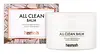 Key Ingredients
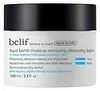
Benefits
Concerns
Ingredients Side-by-side
Ethylhexyl Palmitate
Emollient




Cetyl Ethylhexanoate
EmollientPEG-20 Glyceryl Triisostearate
Emollient
Polyethylene
Abrasive
PEG-8 Isostearate
Emulsifying
1,2-Hexanediol
Skin Conditioning
Butyrospermum Parkii Butter
Skin Conditioning
Tocopheryl Acetate
Antioxidant


Citrus Aurantium Dulcis Peel Oil
Masking

Lavandula Angustifolia Oil
Masking


Pelargonium Graveolens Flower Oil
Masking
Amyris Balsamifera Bark Oil
Masking
Eucalyptus Globulus Leaf Oil
Perfuming
Melaleuca Alternifolia Leaf Oil
Antioxidant

Citrus Paradisi Peel Oil
Masking
Citrus Aurantium Bergamia Fruit Oil
Masking
Boswellia Carterii Oil
Masking
Juniperus Mexicana Oil
Masking
Water
Skin ConditioningCocos Nucifera Fruit Extract
Emollient
Butylene Glycol
Humectant
Citrus Aurantifolia Fruit Extract
Skin ConditioningCitric Acid
Buffering
Phenoxyethanol
Preservative
Nelumbium Speciosum Flower Extract
Skin ConditioningFreesia Refracta Extract
Skin ConditioningRose Extract
Skin ConditioningLeontopodium Alpinum Extract
Skin ConditioningJasminum Officinale Extract
Masking
Narcissus Pseudo-Narcissus Flower Extract
Skin ConditioningLilium Tigrinum Extract
Skin ConditioningIris Versicolor Extract
EmollientEthylhexylglycerin
Skin ConditioningLimonene
Perfuming
Citral
Perfuming
Linalool
Perfuming
Ethylhexyl Palmitate, Cetyl Ethylhexanoate, PEG-20 Glyceryl Triisostearate, Polyethylene, PEG-8 Isostearate, 1,2-Hexanediol, Butyrospermum Parkii Butter, Tocopheryl Acetate, Citrus Aurantium Dulcis Peel Oil, Lavandula Angustifolia Oil, Pelargonium Graveolens Flower Oil, Amyris Balsamifera Bark Oil, Eucalyptus Globulus Leaf Oil, Melaleuca Alternifolia Leaf Oil, Citrus Paradisi Peel Oil, Citrus Aurantium Bergamia Fruit Oil, Boswellia Carterii Oil, Juniperus Mexicana Oil, Water, Cocos Nucifera Fruit Extract, Butylene Glycol, Citrus Aurantifolia Fruit Extract, Citric Acid, Phenoxyethanol, Nelumbium Speciosum Flower Extract, Freesia Refracta Extract, Rose Extract, Leontopodium Alpinum Extract, Jasminum Officinale Extract, Narcissus Pseudo-Narcissus Flower Extract, Lilium Tigrinum Extract, Iris Versicolor Extract, Ethylhexylglycerin, Limonene, Citral, Linalool
Cetyl Ethylhexanoate
EmollientCaprylic/Capric Triglyceride
Masking
PEG-20 Glyceryl Triisostearate
Emollient
PEG-10 Isostearate
Emulsifying
Polyethylene
Abrasive
Sorbitan Sesquioleate
Emulsifying
Water
Skin ConditioningButylene Glycol
Humectant
Citrus Limon Peel Oil
Masking
Citrus Aurantium Dulcis Oil
Masking
Caprylyl Glycol
Emollient
Citrus Aurantium Bergamia Fruit Oil
Masking
Citrus Aurantium Dulcis Peel Oil
Masking
Juniperus Mexicana Oil
Masking
Lavandula Hybrida Oil
Emollient
Mentha Arvensis Leaf Oil
Masking
Mentha Viridis Leaf Oil
Astringent
Myristica Fragrans Extract
MaskingCitrus Aurantifolia Oil
Cleansing
Melia Azadirachta Leaf Extract
Skin ConditioningMelia Azadirachta Flower Extract
Skin ConditioningCoccinia Indica Fruit Extract
Skin Conditioning

Aloe Barbadensis Flower Extract
EmollientSolanum Melongena Fruit Extract
Skin ConditioningSimmondsia Chinensis Seed Oil
Emollient
Corallina Officinalis Extract
Skin Conditioning
Curcuma Longa Root Extract
Antioxidant
Ocimum Sanctum Leaf Extract
Skin ConditioningMethylpropanediol
SolventAlthaea Officinalis Root Extract
Skin Conditioning
1,2-Hexanediol
Skin Conditioning
Stellaria Media Extract
Skin ConditioningAlchemilla Vulgaris Leaf Extract
Antioxidant
Equisetum Arvense Leaf Extract
AstringentUrtica Dioica Leaf Extract
Skin ConditioningAvena Sativa Kernel Extract
Abrasive
Calendula Officinalis Flower Extract
Masking
Nepeta Cataria Extract
TonicRubus Idaeus Leaf Extract
Skin ConditioningBaptisia Tinctoria Root Extract
Skin ConditioningNelumbo Nucifera Flower Extract
Skin ConditioningCetyl Ethylhexanoate, Caprylic/Capric Triglyceride, PEG-20 Glyceryl Triisostearate, PEG-10 Isostearate, Polyethylene, Sorbitan Sesquioleate, Water, Butylene Glycol, Citrus Limon Peel Oil, Citrus Aurantium Dulcis Oil, Caprylyl Glycol, Citrus Aurantium Bergamia Fruit Oil, Citrus Aurantium Dulcis Peel Oil, Juniperus Mexicana Oil, Lavandula Hybrida Oil, Mentha Arvensis Leaf Oil, Mentha Viridis Leaf Oil, Myristica Fragrans Extract, Citrus Aurantifolia Oil, Melia Azadirachta Leaf Extract, Melia Azadirachta Flower Extract, Coccinia Indica Fruit Extract, Aloe Barbadensis Flower Extract, Solanum Melongena Fruit Extract, Simmondsia Chinensis Seed Oil, Corallina Officinalis Extract, Curcuma Longa Root Extract, Ocimum Sanctum Leaf Extract, Methylpropanediol, Althaea Officinalis Root Extract, 1,2-Hexanediol, Stellaria Media Extract, Alchemilla Vulgaris Leaf Extract, Equisetum Arvense Leaf Extract, Urtica Dioica Leaf Extract, Avena Sativa Kernel Extract, Calendula Officinalis Flower Extract, Nepeta Cataria Extract, Rubus Idaeus Leaf Extract, Baptisia Tinctoria Root Extract, Nelumbo Nucifera Flower Extract
Reviews
Ingredients Explained
These ingredients are found in both products.
Ingredients higher up in an ingredient list are typically present in a larger amount.
1,2-Hexanediol is a synthetic liquid and another multi-functional powerhouse.
It is a:
- Humectant, drawing moisture into the skin
- Emollient, helping to soften skin
- Solvent, dispersing and stabilizing formulas
- Preservative booster, enhancing the antimicrobial activity of other preservatives
Butylene Glycol (or BG) is used within cosmetic products for a few different reasons:
Overall, Butylene Glycol is a safe and well-rounded ingredient that works well with other ingredients.
Though this ingredient works well with most skin types, some people with sensitive skin may experience a reaction such as allergic rashes, closed comedones, or itchiness.
Learn more about Butylene GlycolCetyl Ethylhexanoate is an emollient ester. It comes from cetearyl alcohol and 2-ethylhexanoic acid.
Cetyl Ethylhexanoate is an emollient that adds a velvety feel to skin without being greasy or oily. Emollients help trap moisture into your skin, keeping your skin soft and hydrated.
Citrus Aurantium Bergamia Fruit Oil is the oil from the bergamot orange and is primarily used as a fragrance. It has a "fresh" and "bright orange" scent.
The main aroma compounds found in this ingredient are limonene (~27-52%), linalool (~2-22%), and linalyl acetate (~27-40%). These are known EU fragrance allergens.
The term 'fragrance' is not regulated in many countries. In many cases, it is up to the brand to define this term. For instance, many brands choose to label themselves as "fragrance-free" because they are not using synthetic fragrances. However, their products may still contain ingredients such as essential oils that are considered a fragrance.
When used topically, Citrus Aurantium Bergamia Fruit Oil is a photosensitizer due to the furanocoumarin content. Furanocoumarins absorb UV-A and cause phytophotodermatitis; this can look like redness, blistering, and lasting brown pigmentation on sun-exposed skin.
Due to this, this ingredient is capped at 0.4% in leave-on products applied to sun exposed skin.
Many modern formulas used a "furanocoumarin-free" version that sidesteps the phototoxicity issue, but still contains the fragrance allergens.
Learn more about Citrus Aurantium Bergamia Fruit OilCitrus Aurantium Dulcis Peel Oil is oil from the peel of an orange fruit.
Limonene and linalool make up the majority of oils from citrus peels. Limonene has a "citrus" fragrance. Citrus peels also contain flavonoids, which have anti-inflammatory properties.
Citrus peel is also a rich source of flavonoids. Flavonoids are natural antioxidants and help protect your skin against damage. Flavonoids are a group of compounds naturally found in vegetables and fruits.
The term 'fragrance' is not regulated in many countries. In many cases, it is up to the brand to define this term. For instance, many brands choose to label themselves as "fragrance-free" because they are not using synthetic fragrances. However, their products may still contain ingredients such as essential oils that are considered a fragrance.
Learn more about Citrus Aurantium Dulcis Peel OilThis essential oil is steam-distilled from the wood of the Juniperus tree. It's mainly a fragrance ingredient used to cover the scent of other ingredients. It has a warm, woody scent.
Be sure to patch test if you are sensitive to essential oils or fragrance.
Another name for this ingredient is Texas Cedarwood oil.
Learn more about Juniperus Mexicana OilPEG-20 Glyceryl Triisostearate is a synthetic, oil-loving helper ingredient that does two jobs:
This ingredient is made by joining three building blocks: PEG, Isostearic Acid and glycerin. The PEG gives it the oil-and-water blending power.
This ingredient has been found safe for use in cosmetics and broader PEG family testing shows minimal irritation/sensitization. The molecule's large size also means it isn't expected to penetrate skin to any meaningful degree.
Fungal acne note: This ingredient may not be fungal acne safe due to isostearic acid (C18). Isostearic acid falls into the C11-24 range that Malassezia can feed on.
Learn more about PEG-20 Glyceryl TriisostearatePolyethylene is a synthetic ingredient that helps the skin retain moisture. It is a polymer.
It is also typically used within product formulations to help bind solid ingredients together and thicken oil-based ingredients. When added to balms and emulsions, it helps increase the melting point temperature.
Water. It's the most common cosmetic ingredient of all. You'll usually see it at the top of ingredient lists, meaning that it makes up the largest part of the product.
So why is it so popular? Water most often acts as a solvent - this means that it helps dissolve other ingredients into the formulation.
You'll also recognize water as that liquid we all need to stay alive. If you see this, drink a glass of water. Remember to stay hydrated!
Learn more about Water

