This betaine salicylate gel cleanser is formulated around Betaine Salicylate to clear breakouts and unclog pores.
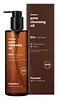
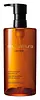
This oil-based makeup remover is made to dissolve makeup, sunscreen, and daily buildup.


What's inside
What's inside
 Key Ingredients
Benefits
Concerns
Ingredients Side-by-side
Water
Skin ConditioningPEG-7 Glyceryl Cocoate
Emulsifying




Dipropylene Glycol
HumectantEthylhexyl Palmitate
Emollient

Glycerin
Humectant


1,2-Hexanediol
Skin Conditioning
Dicaprylyl Ether
Emollient
Coco-Caprylate/Caprate
Emollient
Hydroxyacetophenone
Antioxidant
Citric Acid
Buffering

Litsea Cubeba Fruit Oil
Masking



Disodium EDTA
Ethylhexylglycerin
Skin ConditioningButylene Glycol
Humectant
Citrus Aurantium Dulcis Peel Oil
Masking
Lavandula Angustifolia Oil
Masking
Betaine Salicylate
Antimicrobial



Sodium Citrate
BufferingSimmondsia Chinensis Seed Oil
Emollient
Pelargonium Graveolens Oil
Masking
Canarium Luzonicum Gum Nonvolatiles
MaskingRosmarinus Officinalis Leaf Oil
Masking
Eucalyptus Globulus Leaf Oil
Perfuming
Citrus Aurantium Amara Flower Oil
Masking
Anthemis Nobilis Flower Oil
Masking
Enantia Chlorantha Bark Extract
Skin ConditioningRhus Semialata Gall Extract
Skin ConditioningCamellia Japonica Flower Extract
EmollientChenopodium Quinoa Seed Extract
Skin Conditioning
Oenothera Biennis Flower Extract
AstringentUlmus Davidiana Root Extract
Skin Conditioning
Pinus Palustris Leaf Extract
TonicPueraria Lobata Root Extract
HumectantOleanolic Acid
Skin ConditioningOxygen
Skin ConditioningWater, PEG-7 Glyceryl Cocoate, Dipropylene Glycol, Ethylhexyl Palmitate, Glycerin, 1,2-Hexanediol, Dicaprylyl Ether, Coco-Caprylate/Caprate, Hydroxyacetophenone, Citric Acid, Litsea Cubeba Fruit Oil, Disodium EDTA, Ethylhexylglycerin, Butylene Glycol, Citrus Aurantium Dulcis Peel Oil, Lavandula Angustifolia Oil, Betaine Salicylate, Sodium Citrate, Simmondsia Chinensis Seed Oil, Pelargonium Graveolens Oil, Canarium Luzonicum Gum Nonvolatiles, Rosmarinus Officinalis Leaf Oil, Eucalyptus Globulus Leaf Oil, Citrus Aurantium Amara Flower Oil, Anthemis Nobilis Flower Oil, Enantia Chlorantha Bark Extract, Rhus Semialata Gall Extract, Camellia Japonica Flower Extract, Chenopodium Quinoa Seed Extract, Oenothera Biennis Flower Extract, Ulmus Davidiana Root Extract, Pinus Palustris Leaf Extract, Pueraria Lobata Root Extract, Oleanolic Acid, Oxygen
Zea Mays Germ Oil
Emollient
Ethylhexyl Palmitate
Emollient
Caprylic/Capric Triglyceride
Masking
Isopropyl Myristate
Emollient
Polyglyceryl-10 Dioleate
Emulsifying
Polyglyceryl-6 Dicaprate
EmulsifyingPolyglyceryl-2 Oleate
Emulsifying
Limnanthes Alba Seed Oil
Skin Conditioning
Phenoxyethanol
Preservative
Linalool
Perfuming
Squalane
Emollient
Camellia Japonica Seed Oil
Emollient
Simmondsia Chinensis Seed Oil
Emollient
Isopropyl Lauroyl Sarcosinate
Skin ConditioningCarthamus Tinctorius Seed Oil
Masking
Dicaprylyl Ether
Emollient
Dicaprylyl Carbonate
EmollientTocopherol
Antioxidant


Geraniol
Perfuming
Glycine Soja Oil
Emollient
Glyceryl Stearate Citrate
Emollient
Butyrospermum Parkii Butter
Skin Conditioning
Phospholipids
Skin Conditioning
Panax Ginseng Root Extract
Emollient
Bambusa Vulgaris Extract
Skin Conditioning
Citric Acid
Buffering
Parfum
Masking
Zea Mays Germ Oil, Ethylhexyl Palmitate, Caprylic/Capric Triglyceride, Isopropyl Myristate, Polyglyceryl-10 Dioleate, Polyglyceryl-6 Dicaprate, Polyglyceryl-2 Oleate, Limnanthes Alba Seed Oil, Phenoxyethanol, Linalool, Squalane, Camellia Japonica Seed Oil, Simmondsia Chinensis Seed Oil, Isopropyl Lauroyl Sarcosinate, Carthamus Tinctorius Seed Oil, Dicaprylyl Ether, Dicaprylyl Carbonate, Tocopherol, Geraniol, Glycine Soja Oil, Glyceryl Stearate Citrate, Butyrospermum Parkii Butter, Phospholipids, Panax Ginseng Root Extract, Bambusa Vulgaris Extract, Citric Acid, Parfum
Reviews
Ingredients Explained
These ingredients are found in both products.
Ingredients higher up in an ingredient list are typically present in a larger amount.
Citric Acid is an alpha hydroxy acid (AHA) naturally found in citrus fruits like oranges, lemons, and limes.
Like other AHAs, citric acid can exfoliate skin by breaking down the bonds that hold dead skin cells together. This helps reveal smoother and brighter skin underneath.
However, this exfoliating effect only happens at high concentrations (20%) which can be hard to find in cosmetic products.
Due to this, citric acid is usually included in small amounts as a pH adjuster. This helps keep products slightly more acidic and compatible with skin's natural pH.
In skincare formulas, citric acid can:
While it can provide some skin benefits, research shows lactic acid and glycolic acid are generally more effective and less irritating exfoliants.
Most citric acid used in skincare today is made by fermenting sugars (usually from molasses). This synthetic version is identical to the natural citrus form but easier to stabilize and use in formulations.
Read more about some other popular AHA's here:
Learn more about Citric AcidDicaprylyl Ether is created from caprylic acid. It is a texture-enhancer and emollient.
As an emollient, Dicaprylyl Ether is non-comedogenic. It helps soften and smooth the skin by creating a barrier on top. This barrier helps trap moisture in, helping to hydrate the skin.
Dicaprylyl Ether gives a non-greasy feel and better spreadability to products.
Learn more about Dicaprylyl EtherEthylhexyl Palmitate, also known as octyl palmitate, is created from 2-ethylhexyl alcohol and palmitic acid.
In cosmetics, it plays many roles:
One thing worth noting: a controlled study found this ingredient applied under occlusion to acne-prone subjects increased microcomedones. Just keep in mind this was under occlusive conditions and don't reflect how most products are used day-to-day.
For most people, this is a well-tolerated and lightweight ingredient.
This ingredient may not be fungal acne safe because it is an ester of palmitic acid, a C16 fatty acid that falls within the C11-24 range that Malassezia can metabolize.
Learn more about Ethylhexyl PalmitateJojoba oil is one of the most well-studied plant-derived ingredients in cosmetics. It is an emollient with a special structure.
Because it is made up of 97-98% wax esters, it closely mirrors the linear monoesters found in human sebum. This makes it skin compatible, non-greasy, and lightweight.
Unlike other plant oils, jojoba wax doesn't easily penetrate skin. It mostly works in the uppermost layers as an emollient. This just means it forms a light barrier on the skin to help retain moisture.
Formulations with jojoba esters up to 90% reduced transepidermal water loss (TEWL) and increased barrier recovery by 81% (outperforming bisabolol at 47%).
Besides barrier support, the science also suggests jojoba to have anti-inflammatory effects and potential applications for skin infections, aging, and wound healing.
Fun fact: Indigenous cultures have used jojoba as a moisturizer and to help treat burns for centuries.
Fungal acne: The Malassezia yeast is known to metabolize fatty acids in the C11-24 range and jojoba's dominant fatty acid components fall into this range. This ingredient may not be fungal acne safe.
Learn more about Simmondsia Chinensis Seed Oil

