

What's inside
What's inside
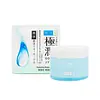 Key Ingredients
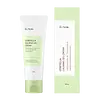
Benefits
Concerns
No concerns
Ingredients Side-by-side
Water
Skin ConditioningAlcohol
Antimicrobial





Glycerin
Humectant



Niacinamide
Smoothing







Butylene Glycol
Humectant
Dimethicone
Emollient
1,2-Hexanediol
Skin Conditioning
Isononyl Isononanoate
EmollientAcrylates/C10-30 Alkyl Acrylate Crosspolymer
Emulsion StabilisingPhenoxyethanol
Preservative
Tromethamine
BufferingEthylhexylglycerin
Skin ConditioningDimethiconol
Emollient
Betaine
Humectant
Xanthan Gum
EmulsifyingAdenosine
Skin Conditioning
Hydrogenated Lecithin
Emulsifying
Tocopheryl Acetate
Antioxidant

Sodium Hyaluronate
Humectant
Piper Methysticum Leaf/Root/Stem Extract
Skin ConditioningPhellinus Linteus Extract
Skin ConditioningHydrolyzed Hyaluronic Acid
Humectant
Arctium Lappa Root Extract
Skin Conditioning
Citrus Medica Peel Oil

Soluble Collagen
Humectant
Portulaca Oleracea Extract
Skin Conditioning
Panthenol
Skin Conditioning
Citrus Grandis Peel Oil
Masking
Citrus Aurantium Bergamia Fruit Oil
Masking
Citrus Aurantium Dulcis Peel Oil
Masking
Pueraria Thunbergiana Root Extract
Skin ConditioningPaeonia Lactiflora Root Extract
Skin ConditioningGlycyrrhiza Glabra Root Extract
Bleaching
Cnidium Officinale Root Extract
Skin ConditioningAloe Barbadensis Leaf Juice
Skin Conditioning
Hydrogenated Phosphatidylcholine
EmulsifyingRaffinose
Skin ConditioningIsostearyl Isostearate
Emollient

Pelargonium Graveolens Flower Oil
Masking
Cholesterol
Emollient
Ceramide NP
Skin Conditioning
Folic Acid
Skin Conditioning
Tocopheryl Linoleate
Antioxidant
Sodium Acetylated Hyaluronate
Humectant
Potassium Cetyl Phosphate
EmulsifyingInulin Lauryl Carbamate
Emulsion StabilisingCedrus Atlantica Bark Oil
Masking
Cananga Odorata Flower Oil
Masking
Illicium Verum Fruit/Seed Oil
Masking
Cymbopogon Nardus Oil
Masking
Eugenia Caryophyllus Leaf Oil
Masking
CI 42090
Cosmetic ColorantAnthemis Nobilis Flower Oil
Masking
Jasminum Officinale Oil
Masking
Santalum Album Oil
Masking
Ferula Galbaniflua Resin Oil
Antimicrobial
Rose Flower Oil
Masking
Palmitoyl Pentapeptide-4
Skin Conditioning
Water, Alcohol, Glycerin, Niacinamide, Butylene Glycol, Dimethicone, 1,2-Hexanediol, Isononyl Isononanoate, Acrylates/C10-30 Alkyl Acrylate Crosspolymer, Phenoxyethanol, Tromethamine, Ethylhexylglycerin, Dimethiconol, Betaine, Xanthan Gum, Adenosine, Hydrogenated Lecithin, Tocopheryl Acetate, Sodium Hyaluronate, Piper Methysticum Leaf/Root/Stem Extract, Phellinus Linteus Extract, Hydrolyzed Hyaluronic Acid, Arctium Lappa Root Extract, Citrus Medica Peel Oil, Soluble Collagen, Portulaca Oleracea Extract, Panthenol, Citrus Grandis Peel Oil, Citrus Aurantium Bergamia Fruit Oil, Citrus Aurantium Dulcis Peel Oil, Pueraria Thunbergiana Root Extract, Paeonia Lactiflora Root Extract, Glycyrrhiza Glabra Root Extract, Cnidium Officinale Root Extract, Aloe Barbadensis Leaf Juice, Hydrogenated Phosphatidylcholine, Raffinose, Isostearyl Isostearate, Pelargonium Graveolens Flower Oil, Cholesterol, Ceramide NP, Folic Acid, Tocopheryl Linoleate, Sodium Acetylated Hyaluronate, Potassium Cetyl Phosphate, Inulin Lauryl Carbamate, Cedrus Atlantica Bark Oil, Cananga Odorata Flower Oil, Illicium Verum Fruit/Seed Oil, Cymbopogon Nardus Oil, Eugenia Caryophyllus Leaf Oil, CI 42090, Anthemis Nobilis Flower Oil, Jasminum Officinale Oil, Santalum Album Oil, Ferula Galbaniflua Resin Oil, Rose Flower Oil, Palmitoyl Pentapeptide-4
Centella Asiatica Leaf Water
Skin Conditioning
Butylene Glycol
Humectant
Melaleuca Alternifolia Leaf Water
Antimicrobial
Water
Skin Conditioning1,2-Hexanediol
Skin Conditioning
Niacinamide
Smoothing
Methyl Trimethicone
Skin Conditioning
Acrylates/C10-30 Alkyl Acrylate Crosspolymer
Emulsion StabilisingArginine
Masking
Caprylyl Glycol
Emollient
Dimethicone
Emollient
Dimethicone/Vinyl Dimethicone Crosspolymer
Skin Conditioning
Centella Asiatica Extract
Cleansing
Allantoin
Skin Conditioning
Melaleuca Alternifolia Leaf Extract
Perfuming
Ethylhexylglycerin
Skin ConditioningAdenosine
Skin Conditioning
Dipotassium Glycyrrhizate
Humectant
Citrus Aurantium Bergamia Fruit Oil
Masking
Pentylene Glycol
Skin ConditioningSodium Hyaluronate
Humectant
Medicago Sativa Extract
TonicBrassica Oleracea Italica Extract
AstringentTriticum Vulgare Sprout Extract
Skin ConditioningBrassica Oleracea Capitata Leaf Extract
Skin ConditioningBrassica Campestris Extract
Skin ConditioningRaphanus Sativus Seed Extract
Skin ConditioningAspalathus Linearis Extract
Skin ConditioningGlycyrrhiza Glabra Root Extract
Bleaching
Commiphora Myrrha Resin Extract
Skin ConditioningPerilla Frutescens Leaf Extract
MaskingCentella Asiatica Leaf Water, Butylene Glycol, Melaleuca Alternifolia Leaf Water, Water, 1,2-Hexanediol, Niacinamide, Methyl Trimethicone, Acrylates/C10-30 Alkyl Acrylate Crosspolymer, Arginine, Caprylyl Glycol, Dimethicone, Dimethicone/Vinyl Dimethicone Crosspolymer, Centella Asiatica Extract, Allantoin, Melaleuca Alternifolia Leaf Extract, Ethylhexylglycerin, Adenosine, Dipotassium Glycyrrhizate, Citrus Aurantium Bergamia Fruit Oil, Pentylene Glycol, Sodium Hyaluronate, Medicago Sativa Extract, Brassica Oleracea Italica Extract, Triticum Vulgare Sprout Extract, Brassica Oleracea Capitata Leaf Extract, Brassica Campestris Extract, Raphanus Sativus Seed Extract, Aspalathus Linearis Extract, Glycyrrhiza Glabra Root Extract, Commiphora Myrrha Resin Extract, Perilla Frutescens Leaf Extract
Reviews
Ingredients Explained
These ingredients are found in both products.
Ingredients higher up in an ingredient list are typically present in a larger amount.
1,2-Hexanediol is a synthetic liquid and another multi-functional powerhouse.
It is a:
- Humectant, drawing moisture into the skin
- Emollient, helping to soften skin
- Solvent, dispersing and stabilizing formulas
- Preservative booster, enhancing the antimicrobial activity of other preservatives
Acrylates/C10-30 Alkyl Acrylate Crosspolymer is a synthetic polymer. It is used to thicken and improve the texture of products. Due to its properties, it can prevent water and oil ingredients from separating.
Adenosine is in every living organism. It is one of four components in nucleic acids that helps store our DNA.
Adenosine has many benefits when used. These benefits include hydrating the skin, smoothing skin, and reducing wrinkles. Once applied, adenosine increases collagen production. It also helps with improving firmness and tissue repair.
Studies have found adenosine may also help with wound healing.
In skincare products, Adenosine is usually derived from yeast.
Learn more about AdenosineButylene Glycol (or BG) is used within cosmetic products for a few different reasons:
Overall, Butylene Glycol is a safe and well-rounded ingredient that works well with other ingredients.
Though this ingredient works well with most skin types, some people with sensitive skin may experience a reaction such as allergic rashes, closed comedones, or itchiness.
Learn more about Butylene GlycolCitrus Aurantium Bergamia Fruit Oil is the oil from the bergamot orange. It is native to Italy.
This ingredient is used to add fragrance to products. It contains limonene, linalool, and linalyl acetate.
The term 'fragrance' is not regulated in many countries. In many cases, it is up to the brand to define this term. For instance, many brands choose to label themselves as "fragrance-free" because they are not using synthetic fragrances. However, their products may still contain ingredients such as essential oils that are considered a fragrance.
When used topically, Citrus Aurantium Bergamia Fruit Oil is a photosensitizer due to its furanocoumarins. Photosensitizers make the skin and eyes much more sensitive to sunlight. Photosensitizers are linked to skin cancer.
However, more cosmetics using Citrus Aurantium Bergamia Fruit Oil are removing the furanocoumarins.
Bergamot oil was also found to have anti-inflammatory, antibacterial and antifungal properties.
Learn more about Citrus Aurantium Bergamia Fruit OilDimethicone is a type of synthetic silicone created from natural materials such as quartz.
What it does:
Dimethicone comes in different viscosities:
Depending on the viscosity, dimethicone has different properties.
Ingredients lists don't always show which type is used, so we recommend reaching out to the brand if you have questions about the viscosity.
This ingredient is unlikely to cause irritation because it does not get absorbed into skin. However, people with silicone allergies should be careful about using this ingredient.
Note: Dimethicone may contribute to pilling. This is because it is not oil or water soluble, so pilling may occur when layered with products. When mixed with heavy oils in a formula, the outcome is also quite greasy.
Learn more about DimethiconeEthylhexylglycerin (we can't pronounce this either) is commonly used as a preservative and skin softener. It is derived from glyceryl.
You might see Ethylhexylglycerin often paired with other preservatives such as phenoxyethanol. Ethylhexylglycerin has been found to increase the effectiveness of these other preservatives.
Glycyrrhiza Glabra Root Extract is an extract of the roots of Licorice. It has been found to have several benefits such as skin hydrating, conditioning, and soothing.
One component, glabridin, has extra potent antioxidant and soothing properties. It has also been found to block pigmentation from UVB rays in guinea pigs.
Licorice Root also contains a flavonoid. Flavonoids are a natural substance from in plants. Flavonoids also have antioxidant properties.
Another component, glycyrrhizin, has been found to have anti-inflammatory and antimicrobial benefits. This may make licorice root extract effective at treating acne. However, more research is needed to support this.
Liquiritin is one of the flavone compounds found in licorice. It has been found to help lighten skin by preventing tyrosinase from reacting with tyrosine. When the two react, protein is converted to melanin. Melanin is the substance in your body that gives your features pigmentation.
Learn more about Glycyrrhiza Glabra Root ExtractNiacinamide is a multitasking form of vitamin B3 that strengthens the skin barrier, reduces pores and dark spots, regulates oil, and improves signs of aging.
And the best part? It's gentle and well-tolerated by most skin types, including sensitive and reactive skin.
You might have heard of "niacin flush", or the reddening of skin that causes itchiness. Niacinamide has not been found to cause this.
In very rare cases, some individuals may not be able to tolerate niacinamide at all or experience an allergic reaction to it.
If you are experiencing flaking, irritation, and dryness with this ingredient, be sure to double check all your products as this ingredient can be found in all categories of skincare.
When incorporating niacinamide into your routine, look out for concentration amounts. Typically, 5% niacinamide provides benefits such as fading dark spots. However, if you have sensitive skin, it is better to begin with a smaller concentration.
When you apply niacinamide to your skin, your body converts it into nicotinamide adenine dinucleotide (NAD). NAD is an essential coenzyme that is already found in your cells as "fuel" and powers countless biological processes.
In your skin, NAD helps repair cell damage, produce new healthy cells, support collagen production, strengthen the skin barrier, and fight environmental stressors (like UV and pollution).
Our natural NAD levels start to decline with age, leading to slower skin repair, visible aging, and a weaker skin barrier. By providing your skin niacinamide, you're recharging your skin's NAD levels. This leads to stronger, healthier, and younger looking skin.
Another name for vitamin B3 is nicotinamide. This vitamin is water-soluble and our bodies don't store it. We obtain Vitamin B3 from either food or skincare. Meat, fish, wheat, yeast, and leafy greens contain vitamin B3.
The type of niacinamide used in skincare is synthetically created.
Learn more about NiacinamideSodium Hyaluronate is hyaluronic acid's salt form. It is commonly derived from the sodium salt of hyaluronic acid.
Like hyaluronic acid, it is great at holding water and acts as a humectant. This makes it a great skin hydrating ingredient.
Sodium Hyaluronate is naturally occurring in our bodies and is mostly found in eye fluid and joints.
These are some other common types of Hyaluronic Acid:
Learn more about Sodium HyaluronateWater. It's the most common cosmetic ingredient of all. You'll usually see it at the top of ingredient lists, meaning that it makes up the largest part of the product.
So why is it so popular? Water most often acts as a solvent - this means that it helps dissolve other ingredients into the formulation.
You'll also recognize water as that liquid we all need to stay alive. If you see this, drink a glass of water. Stay hydrated!
Learn more about Water
