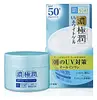
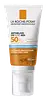
Hada Labo Gokujyun All in One UV White Day Gel (SPF50 + PA ++++) Versus La Roche-Posay Anthelios UVMune 400 Hydrating Cream SPF 50+ Unscented
This hybrid sunscreen covers the full UV range and blocks ~98% of UVB at SPF 50.
This chemical sunscreen covers the full UV range and blocks ~98% of UVB at SPF 50.


What's inside
What's inside
 Key Ingredients
Benefits
Concerns
Ingredients Side-by-side
Water
Skin ConditioningEthylhexyl Methoxycinnamate
UV Absorber


Isononyl Isononanoate
EmollientDimethicone
Emollient

Alcohol
Antimicrobial



Butylene Glycol
Humectant

PEG-12 Dimethicone
Skin Conditioning
Pentylene Glycol
Skin Conditioning
Polysilicone-15
UV Filter
Glycol Dimethacrylate Crosspolymer
Bis-Ethylhexyloxyphenol Methoxyphenyl Triazine
UV Absorber
Hydrolyzed Hyaluronic Acid
Humectant

Sodium Hyaluronate
Humectant
Diethylamino Hydroxybenzoyl Hexyl Benzoate
UV Filter
Polysilicone-13
Phenoxyethanol
Preservative
Carbomer
Emulsion StabilisingTriethanolamine
BufferingPolystyrene
Polyvinyl Alcohol
Hydroxyethylcellulose
Emulsion StabilisingDisodium EDTA
ChelatingIodopropynyl Butylcarbamate
Preservative
Acrylates/C10-30 Alkyl Acrylate Crosspolymer
Emulsion StabilisingTitanium Dioxide
Cosmetic Colorant
Ammonium Acrylates Copolymer
Silica
Abrasive


Aluminum Hydroxide
EmollientHydrogen Dimethicone
Methylparaben
Preservative
Water, Ethylhexyl Methoxycinnamate, Isononyl Isononanoate, Dimethicone, Alcohol, Butylene Glycol, PEG-12 Dimethicone, Pentylene Glycol, Polysilicone-15, Glycol Dimethacrylate Crosspolymer, Bis-Ethylhexyloxyphenol Methoxyphenyl Triazine, Hydrolyzed Hyaluronic Acid, Sodium Hyaluronate, Diethylamino Hydroxybenzoyl Hexyl Benzoate, Polysilicone-13, Phenoxyethanol, Carbomer, Triethanolamine, Polystyrene, Polyvinyl Alcohol, Hydroxyethylcellulose, Disodium EDTA, Iodopropynyl Butylcarbamate, Acrylates/C10-30 Alkyl Acrylate Crosspolymer, Titanium Dioxide, Ammonium Acrylates Copolymer, Silica, Aluminum Hydroxide, Hydrogen Dimethicone, Methylparaben
Water
Skin ConditioningDiisopropyl Sebacate
EmollientAlcohol Denat.
Antimicrobial
Ethylhexyl Salicylate
UV Absorber
Ethylhexyl Triazone
UV Absorber
Bis-Ethylhexyloxyphenol Methoxyphenyl Triazine
UV Absorber
Diisopropyl Adipate
EmollientPEG-8
HumectantDipropylene Glycol
HumectantC12-22 Alkyl Acrylate/Hydroxyethylacrylate Copolymer
StabilisingGlycerin
Humectant
Drometrizole Trisiloxane
UV Absorber
Aluminum Starch Octenylsuccinate
Absorbent
Butyl Methoxydibenzoylmethane
UV Absorber
Methoxypropylamino Cyclohexenylidene Ethoxyethylcyanoacetate
Stabilising
Silica
Abrasive
Tocopherol
Antioxidant



Diethylamino Hydroxybenzoyl Hexyl Benzoate
UV Filter
Acrylates Copolymer
Acrylates/C10-30 Alkyl Acrylate Crosspolymer
Emulsion StabilisingCaprylyl Glycol
Emollient
Hydroxyacetophenone
Antioxidant
Pentaerythrityl Tetra-Di-T-Butyl Hydroxyhydrocinnamate
Antioxidant
Sodium Polyacrylate
Absorbent
Terephthalylidene Dicamphor Sulfonic Acid
UV Absorber
Triethanolamine
BufferingTrisodium Ethylenediamine Disuccinate
ChelatingWater, Diisopropyl Sebacate, Alcohol Denat., Ethylhexyl Salicylate, Ethylhexyl Triazone, Bis-Ethylhexyloxyphenol Methoxyphenyl Triazine, Diisopropyl Adipate, PEG-8, Dipropylene Glycol, C12-22 Alkyl Acrylate/Hydroxyethylacrylate Copolymer, Glycerin, Drometrizole Trisiloxane, Aluminum Starch Octenylsuccinate, Butyl Methoxydibenzoylmethane, Methoxypropylamino Cyclohexenylidene Ethoxyethylcyanoacetate, Silica, Tocopherol, Diethylamino Hydroxybenzoyl Hexyl Benzoate, Acrylates Copolymer, Acrylates/C10-30 Alkyl Acrylate Crosspolymer, Caprylyl Glycol, Hydroxyacetophenone, Pentaerythrityl Tetra-Di-T-Butyl Hydroxyhydrocinnamate, Sodium Polyacrylate, Terephthalylidene Dicamphor Sulfonic Acid, Triethanolamine, Trisodium Ethylenediamine Disuccinate
Reviews
Ingredients Explained
These ingredients are found in both products.
Ingredients higher up in an ingredient list are typically present in a larger amount.
Acrylates/C10-30 Alkyl Acrylate Crosspolymer is a synthetic polymer. It is used to thicken, emulsify, and improve the texture of products.
As an emulsifier, it helps stabilize oil-in-water emulsions to give products an elegant feel when applied.
It can also form a thin protective film on skin. One study found that a formula using this polymer helped slow down how quickly other ingredients (like DEET) were absorbed through skin.
A 2024 study of over 1,300 patients confirmed that sensitization to this ingredient is rare. It is also non-mutagenic and has a clean track record.
Learn more about Acrylates/C10-30 Alkyl Acrylate CrosspolymerThis ingredient is better known as bemotrizinol or Tinosorb S and is one of the best broad-spectrum UV filters in modern sunscreen.
It works by absorbing UV light across a whole range (280-400 nm) with peaks around 310 nm (UVB) and 340-345 nm (UVA). This means it covers UVB plus the deeper UVA wavelengths that drive photoaging and pigmentation.
Another pro?
It's exceptionally photostable, barely degrades in sunlight, and acts as a "bodyguard" for less stable filters.
That's why you'll see it paired with avobenzone or octinoxate; this team up ensures they keep working through sun exposure.
Safety reviews have been reassuring across the board. This ingredient shows low absorption through the skin, rarely irritates, and lab studies found it doesn't act like a hormone in the body (a concern that's been raised about some older sunscreen filters).
On maximum concentrations:
In 2026, the US F.D.A finally added it as an OTC sunscreen ingredient at concentrations up to 6% for adults / children 6 months and older
Learn more about Bis-Ethylhexyloxyphenol Methoxyphenyl TriazineDiethylamino Hydroxybenzoyl Hexyl Benzoate (DHHB) is a chemical UV-A absorber. It is formulated for high UVA protection (320-400 nm).
DHHB is well-liked for:
DHHB has been approved by the EU, Japan, Taiwan, and South America for use up to 10%. Unfortunately, it has not been approved for use in the US or Canada due to slow regulatory processes.
This ingredient is soluble in oils, fats, and lipids.
Learn more about Diethylamino Hydroxybenzoyl Hexyl BenzoateSilica, also known as silicon dioxide, is a naturally occurring mineral. It is used as a fine, spherical, and porous powder in cosmetics.
Though it has exfoliant properties, the function of silica varies depending on the product.
The unique structure of silica enhances the spreadability and adds smoothness, making it a great texture enhancer.
It is also used as an active carrier, emulsifier, and mattifier due to its ability to absorb excess oil.
In some products, tiny microneedles called spicules are made from silica or hydrolyzed sponge. When you rub them in, they lightly polish away dead skin layers and enhance the penetration of active ingredients.
Learn more about SilicaTriethanolamine (TEA) is an emulsifier and pH adjuster. It is created using ethylene oxide and ammonia. This gives Triethanolamine a nitrogen core and a similar scent to ammonia.
As an emulsifier, it prevents ingredients from separating and enhances texture by adding volume to a product.
PH adjusters are common in cosmetic products. The pH of a product can affect the effectiveness of other ingredients. A product with a high pH may also irritate the skin.
If you are looking for the tea leaf ingredient, click here.
Learn more about TriethanolamineWater. It's the most common cosmetic ingredient of all. You'll usually see it at the top of ingredient lists, meaning that it makes up the largest part of the product.
So why is it so popular? Water most often acts as a solvent - this means that it helps dissolve other ingredients into the formulation.
You'll also recognize water as that liquid we all need to stay alive. If you see this, drink a glass of water. Remember to stay hydrated!
Learn more about Water

