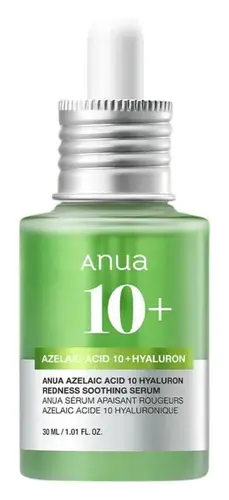
Drx Azelaic Acid Silk Hada 20% Azelaic Acid Face Cream Laboratoire ACM Azéane Cream Dermatica Azelaic Acid 20% Cream
This acne treatment is formulated around Azelaic Acid to clear breakouts and calm redness.
This acne treatment is formulated around Azelaic Acid to clear breakouts and calm redness.
This calming treatment is formulated around Azelaic Acid and Niacinamide to calm redness and clear breakouts.
This acne treatment is formulated around Azelaic Acid to clear breakouts and calm redness.



What's inside
What's inside
What's inside
What's inside
Water
Skin ConditioningAzelaic Acid
Buffering









Butylene Glycol
Humectant

Triethylhexanoin
MaskingParaffinum Liquidum
Emollient


Caprylic/Capric Triglyceride
Masking
Diglycerin
Humectant
Pentylene Glycol
Skin Conditioning
Glyceryl Stearate
Emollient

Simmondsia Chinensis Seed Oil
Emollient
PEG-60 Hydrogenated Castor Oil
Emulsifying
Nylon-12

Cetearyl Alcohol
Emollient


Ammonium Acryloyldimethyltaurate/Vp Copolymer
Hydroxypropyl Methylcellulose Stearoxy Ether
Disodium EDTA
ChelatingWater, Azelaic Acid, Butylene Glycol, Triethylhexanoin, Paraffinum Liquidum, Caprylic/Capric Triglyceride, Diglycerin, Pentylene Glycol, Glyceryl Stearate, Simmondsia Chinensis Seed Oil, PEG-60 Hydrogenated Castor Oil, Nylon-12, Cetearyl Alcohol, Ammonium Acryloyldimethyltaurate/Vp Copolymer, Hydroxypropyl Methylcellulose Stearoxy Ether, Disodium EDTA
Azelaic Acid 20%
Buffering
Water
Skin ConditioningButylene Glycol
Humectant
Triethylhexanoin
MaskingSqualane
Emollient
Pentylene Glycol
Skin Conditioning
Glycerin
Humectant
Behenyl Alcohol
Emollient
Glyceryl Stearate
Emollient
Disodium EDTA
ChelatingPEG-60 Hydrogenated Castor Oil
Emulsifying
Dipotassium Glycyrrhizate
Humectant
Dimethicone
Emollient
Sodium Methyl Stearoyl Taurate
CleansingNylon-12
Glycolic Acid
Buffering

Hydroxypropyl Methylcellulose Stearoxy Ether
Hydrogenated Lecithin
Emulsifying
Azelaic Acid 20%, Water, Butylene Glycol, Triethylhexanoin, Squalane, Pentylene Glycol, Glycerin, Behenyl Alcohol, Glyceryl Stearate, Disodium EDTA, PEG-60 Hydrogenated Castor Oil, Dipotassium Glycyrrhizate, Dimethicone, Sodium Methyl Stearoyl Taurate, Nylon-12, Glycolic Acid, Hydroxypropyl Methylcellulose Stearoxy Ether, Hydrogenated Lecithin
Water
Skin ConditioningAzelaic Acid 15%
Buffering
Octyldodecyl Myristate
EmollientIsononyl Isononanoate
EmollientIsostearyl Isostearate
Emollient
Cetyl Alcohol
Emollient
Glyceryl Stearate
Emollient
Ethoxydiglycol
HumectantGlycerin
Humectant
Coco-Caprylate/Caprate
Emollient
Niacinamide
Smoothing
Xylitol
Humectant
PEG-75 Stearate
Surfactant
Pentylene Glycol
Skin Conditioning
Cetearyl Alcohol
Emollient
Ceteth-20
CleansingSteareth-20
CleansingGlyceryl Caprylate/Caprate
EmollientWater, Azelaic Acid 15%, Octyldodecyl Myristate, Isononyl Isononanoate, Isostearyl Isostearate, Cetyl Alcohol, Glyceryl Stearate, Ethoxydiglycol, Glycerin, Coco-Caprylate/Caprate, Niacinamide, Xylitol, PEG-75 Stearate, Pentylene Glycol, Cetearyl Alcohol, Ceteth-20, Steareth-20, Glyceryl Caprylate/Caprate
Water
Skin ConditioningAzelaic Acid
Buffering
Propanediol
Solvent
Squalane
Emollient
Dimethicone
Emollient
Glycerin
Humectant
Glyceryl Stearate
Emollient
PEG-75 Stearate
Surfactant
Phenoxyethanol
Preservative
Cetyl Alcohol
Emollient
Tocopheryl Acetate
Antioxidant

Acrylates/C10-30 Alkyl Acrylate Crosspolymer
Emulsion StabilisingSodium Lauroyl Lactylate
EmulsifyingSodium Hydroxide
BufferingCeramide NP
Skin Conditioning
Ceramide AP
Skin Conditioning
Phytosphingosine
Skin Conditioning
Cholesterol
Emollient
Carbomer
Emulsion StabilisingXanthan Gum
EmulsifyingCeramide EOP
Skin Conditioning
Water, Azelaic Acid, Propanediol, Squalane, Dimethicone, Glycerin, Glyceryl Stearate, PEG-75 Stearate, Phenoxyethanol, Cetyl Alcohol, Tocopheryl Acetate, Acrylates/C10-30 Alkyl Acrylate Crosspolymer, Sodium Lauroyl Lactylate, Sodium Hydroxide, Ceramide NP, Ceramide AP, Phytosphingosine, Cholesterol, Carbomer, Xanthan Gum, Ceramide EOP
Ingredients Explained
These ingredients are found in both products.
Ingredients higher up in an ingredient list are typically present in a larger amount.
Azelaic acid is a multitasker ingredient that helps treat acne, pigmentation, and irritation. It is a great option for sensitive skin.
What makes it special?
OTC Azelaic acid is usually available in concentrations from 10-15% and anything over requires a prescription.
Here's what each tier does best:
Unlike other acids, azelaic acid will not make your skin more photosensitive/sun sensitive.
Though this ingredient is naturally occurring in grains like wheat, rye, and barley, it is usually synthetically created for cosmetics to ensure stability and effectiveness.
Learn more about Azelaic AcidGlyceryl Stearate is made by reacting glycerin with stearic acid (typically sourced from plant oils like palm or coconut). It's an emulsifier, emollient, and mild occlusive.
Emulsifiers help ingredients like oil and water stay mixed so your formula stays nicely blended and uniform in texture.
This ingredient is typically used in concentrations between 1-10%. Studies have found it to be non-sensitizing, non-phototoxic, and non-photoallergenic.
A close cousin of this ingredient is Glyceryl Stearate SE ("self-emulsifying"). This just has a small amount of sodium or potassium stearate added so it can emulsify without a co-emulsifier.
Since this ingredient is an ester of a C18 fatty acid, it may not be fungal acne safe. The Malassezia yeast can potentially metabolize within the C11-C24 range.
Fun fact: The human body also creates Glyceryl Stearate naturally.
Learn more about Glyceryl StearateWater. It's the most common cosmetic ingredient of all. You'll usually see it at the top of ingredient lists, meaning that it makes up the largest part of the product.
So why is it so popular? Water most often acts as a solvent - this means that it helps dissolve other ingredients into the formulation.
You'll also recognize water as that liquid we all need to stay alive. If you see this, drink a glass of water. Remember to stay hydrated!
Learn more about Water