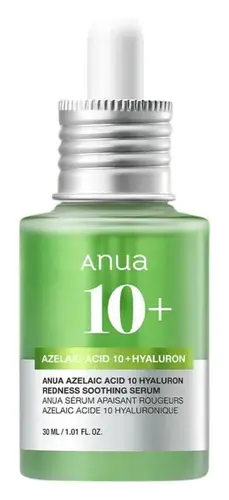
This acne treatment is formulated around Azelaic Acid to clear breakouts and calm redness.
This acne treatment is formulated around Azelaic Acid to clear breakouts and calm redness.

What's inside
What's inside
 Key Ingredients
Benefits
Concerns
Ingredients Side-by-side
Azelaic Acid 20%
Buffering









Water
Skin ConditioningButylene Glycol
Humectant

Triethylhexanoin
MaskingSqualane
Emollient
Pentylene Glycol
Skin Conditioning
Glycerin
Humectant
Behenyl Alcohol
Emollient
Glyceryl Stearate
Emollient

Disodium EDTA
ChelatingPEG-60 Hydrogenated Castor Oil
Emulsifying
Dipotassium Glycyrrhizate
Humectant
Dimethicone
Emollient
Sodium Methyl Stearoyl Taurate
CleansingNylon-12

Glycolic Acid
Buffering


Hydroxypropyl Methylcellulose Stearoxy Ether
Hydrogenated Lecithin
Emulsifying
Azelaic Acid 20%, Water, Butylene Glycol, Triethylhexanoin, Squalane, Pentylene Glycol, Glycerin, Behenyl Alcohol, Glyceryl Stearate, Disodium EDTA, PEG-60 Hydrogenated Castor Oil, Dipotassium Glycyrrhizate, Dimethicone, Sodium Methyl Stearoyl Taurate, Nylon-12, Glycolic Acid, Hydroxypropyl Methylcellulose Stearoxy Ether, Hydrogenated Lecithin
Water
Skin ConditioningAzelaic Acid
Buffering
Butylene Glycol
Humectant
Triethylhexanoin
MaskingParaffinum Liquidum
Emollient
Caprylic/Capric Triglyceride
Masking
Diglycerin
Humectant
Pentylene Glycol
Skin Conditioning
Glyceryl Stearate
Emollient
Simmondsia Chinensis Seed Oil
Emollient
PEG-60 Hydrogenated Castor Oil
Emulsifying
Nylon-12
Cetearyl Alcohol
Emollient

Ammonium Acryloyldimethyltaurate/Vp Copolymer
Hydroxypropyl Methylcellulose Stearoxy Ether
Disodium EDTA
ChelatingWater, Azelaic Acid, Butylene Glycol, Triethylhexanoin, Paraffinum Liquidum, Caprylic/Capric Triglyceride, Diglycerin, Pentylene Glycol, Glyceryl Stearate, Simmondsia Chinensis Seed Oil, PEG-60 Hydrogenated Castor Oil, Nylon-12, Cetearyl Alcohol, Ammonium Acryloyldimethyltaurate/Vp Copolymer, Hydroxypropyl Methylcellulose Stearoxy Ether, Disodium EDTA
Ingredients Explained
These ingredients are found in both products.
Ingredients higher up in an ingredient list are typically present in a larger amount.
Azelaic acid is a multitasker ingredient that helps treat acne, pigmentation, and irritation. It is a great option for sensitive skin.
What makes it special?
OTC Azelaic acid is usually available in concentrations from 10-15% and anything over requires a prescription.
Here's what each tier does best:
Unlike other acids, azelaic acid will not make your skin more photosensitive/sun sensitive.
Though this ingredient is naturally occurring in grains like wheat, rye, and barley, it is usually synthetically created for cosmetics to ensure stability and effectiveness.
Learn more about Azelaic AcidButylene Glycol (or BG) is used within cosmetic products for a few different reasons:
Overall, Butylene Glycol is a safe and well-rounded ingredient that works well with other ingredients.
Though this ingredient works well with most skin types, some people with sensitive skin may experience a reaction such as allergic rashes, closed comedones, or itchiness.
Learn more about Butylene GlycolDisodium EDTA is a chelating agent. It grabs onto and deactivates metal ions that sneak into your products from water, packaging, or air.
This ingredient mainly works behind the scenes and helps with:
On top of that, this ingredient can counteract the effects of hard water by binding to the minerals in it.
One thing worth knowing is that Disodium EDTA has been shown to be a mild penetration enhancer. It can help other ingredients absorb into skin more effectively which can be a double-edged sword (great for actives, but can also make the active too strong if you have sensitive skin).
Clinical patch testing showed no significant skin irritation at typical use concentrations and minimal dermal absorption.
You'll most likely see this ingredient near the end of an ingredient list. It's typically found in concentrations less than 1%.
Learn more about Disodium EDTAGlyceryl Stearate is made by reacting glycerin with stearic acid (typically sourced from plant oils like palm or coconut). It's an emulsifier, emollient, and mild occlusive.
Emulsifiers help ingredients like oil and water stay mixed so your formula stays nicely blended and uniform in texture.
This ingredient is typically used in concentrations between 1-10%. Studies have found it to be non-sensitizing, non-phototoxic, and non-photoallergenic.
A close cousin of this ingredient is Glyceryl Stearate SE ("self-emulsifying"). This just has a small amount of sodium or potassium stearate added so it can emulsify without a co-emulsifier.
Since this ingredient is an ester of a C18 fatty acid, it may not be fungal acne safe. The Malassezia yeast can potentially metabolize within the C11-C24 range.
Fun fact: The human body also creates Glyceryl Stearate naturally.
Learn more about Glyceryl StearateWe don't have a description for Hydroxypropyl Methylcellulose Stearoxy Ether yet.
Nylon-12 is a polymer. It is derived from 12-aminododecanoic acid, an omega-amino fatty acid
According to a manufacturer, it is a talc substitute. Like talc, nylon-12 gives products a satin feel. The manufacturer also claims this ingredients does not block pores and has moderate oil absorption.
This ingredient may not be reef-safe.
Learn more about Nylon-12Peg-60 Hydrogenated Castor Oil comes from hydrogenated castor oil. It is a solubilizer and emulsifier.
As a solubilizer, it helps dissolve ingredients into a water-based version. It is also an emulsifer. Emulsifier help prevent oils and water from separating. Both these properties help create evenly-spread and uniform products.
Basically, Peg-60 Hydrogenated Castor Oil helps hold ingredients together.
Learn more about PEG-60 Hydrogenated Castor OilPentylene Glycol (1,2-pentanediol) is a multitasking little diol with three main roles in a formula:
Research on alkanediols (the family pentylene glycol belongs to) show they work by disrupting microbial cell membranes. This disruption helps the primary preservative system in a product work more effectively at lower doses.
On the safety side, the Cosmetic Ingredient Review Expert Panel has concluded this ingredient to be safe as used in current cosmetic practices + concentrations.
Typical use levels in a formula run about 1-5%.
Learn more about Pentylene GlycolTriethylhexanoin is created from glycerin and 2-ethylhexanoic acid. It is a solvent and emollient.
As a solvent, Triethylhexanoin helps dissolve ingredients to stable bases or help evenly distribute ingredients throughout the product.
It is also an emollient and helps condition the skin.
Learn more about TriethylhexanoinWater. It's the most common cosmetic ingredient of all. You'll usually see it at the top of ingredient lists, meaning that it makes up the largest part of the product.
So why is it so popular? Water most often acts as a solvent - this means that it helps dissolve other ingredients into the formulation.
You'll also recognize water as that liquid we all need to stay alive. If you see this, drink a glass of water. Remember to stay hydrated!
Learn more about Water