
What's inside
What's inside
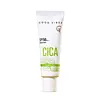 Key Ingredients
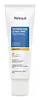
Benefits
Concerns
Ingredients Side-by-side
Water
Skin ConditioningButylene Glycol
Humectant

Niacinamide
Smoothing










Ethylhexyl Methoxycinnamate
UV Absorber


Caprylic/Capric Triglyceride
Masking
Butyl Methoxydibenzoylmethane
UV Absorber
C12-15 Alkyl Benzoate
AntimicrobialCetearyl Olivate

Benzophenone-3
UV Absorber
Trehalose
Humectant
Centella Asiatica Extract
Cleansing
Aloe Barbadensis Leaf Extract
Emollient
Tocopheryl Acetate
Antioxidant

Sodium Hyaluronate
Humectant
Xylitylglucoside
Humectant
Octocrylene
UV Absorber
Aluminum Starch Octenylsuccinate
Absorbent
Glycerin
Humectant
Phenoxyethanol
Preservative
Sorbitan Olivate
Emulsifying
Ethylhexylglycerin
Skin ConditioningSodium Acrylates Copolymer
Diethylamino Hydroxybenzoyl Hexyl Benzoate
UV Filter
Acrylates/Hema Copolymer
Polyglyceryl-4 Olivate
EmollientCaprylyl Glycol
Emollient
Lecithin
Emollient
Xanthan Gum
EmulsifyingSclerotium Gum
Emulsion StabilisingC13-15 Alkane
SolventPullulan
Potassium Hydroxide
BufferingSodium Gluconate
Skin ConditioningDisodium EDTA
Water, Butylene Glycol, Niacinamide, Ethylhexyl Methoxycinnamate, Caprylic/Capric Triglyceride, Butyl Methoxydibenzoylmethane, C12-15 Alkyl Benzoate, Cetearyl Olivate, Benzophenone-3, Trehalose, Centella Asiatica Extract, Aloe Barbadensis Leaf Extract, Tocopheryl Acetate, Sodium Hyaluronate, Xylitylglucoside, Octocrylene, Aluminum Starch Octenylsuccinate, Glycerin, Phenoxyethanol, Sorbitan Olivate, Ethylhexylglycerin, Sodium Acrylates Copolymer, Diethylamino Hydroxybenzoyl Hexyl Benzoate, Acrylates/Hema Copolymer, Polyglyceryl-4 Olivate, Caprylyl Glycol, Lecithin, Xanthan Gum, Sclerotium Gum, C13-15 Alkane, Pullulan, Potassium Hydroxide, Sodium Gluconate, Disodium EDTA
Water
Skin ConditioningOctocrylene
UV Absorber
Tris-Biphenyl Triazine
UV Absorber
Ethylhexyl Salicylate
UV Absorber
Isoamyl Laurate
Emollient
Neopentyl Glycol Diheptanoate
EmollientBis-Ethylhexyloxyphenol Methoxyphenyl Triazine
Skin Conditioning
Glycerin
Humectant
Propanediol
Solvent
Cetearyl Alcohol
Emollient

Caprylyl Methicone
Skin Conditioning
Hydrogenated Polydecene
EmollientAloe Barbadensis Leaf Extract
Emollient
Tocopheryl Acetate
Antioxidant
Sodium Acrylates Copolymer
Xanthan Gum
EmulsifyingSilica
Abrasive
Microcrystalline Wax
Emulsion StabilisingPPG-1 Trideceth-6
Skin ConditioningDimethicone
Emollient
Potassium Cetyl Phosphate
EmulsifyingPhenoxyethanol
Preservative
Ethylhexylglycerin
Skin ConditioningSodium Hydroxide
BufferingParfum
Masking

Water, Octocrylene, Tris-Biphenyl Triazine, Ethylhexyl Salicylate, Isoamyl Laurate, Neopentyl Glycol Diheptanoate, Bis-Ethylhexyloxyphenol Methoxyphenyl Triazine, Glycerin, Propanediol, Cetearyl Alcohol, Caprylyl Methicone, Hydrogenated Polydecene, Aloe Barbadensis Leaf Extract, Tocopheryl Acetate, Sodium Acrylates Copolymer, Xanthan Gum, Silica, Microcrystalline Wax, PPG-1 Trideceth-6, Dimethicone, Potassium Cetyl Phosphate, Phenoxyethanol, Ethylhexylglycerin, Sodium Hydroxide, Parfum
Ingredients Explained
These ingredients are found in both products.
Ingredients higher up in an ingredient list are typically present in a larger amount.
Aloe Barbadensis Leaf Extract is an extract of the leaves of the aloe, Aloe barbadensis, Liliaceae.
Aloe is one of the most well-known natural soothing ingredients, and for good reason. It’s full of water and has a cooling, calming effect on the skin, especially when it’s sunburned, itchy, or irritated. Aloe also helps your skin stay hydrated and smooth by mimicking what healthy skin naturally produces. On top of that, it contains vitamins and nutrients that support skin recovery.
It doesn’t protect you from the sun, but it can help your skin bounce back after too much time in it.
Let’s get into the details:
Aloe contains antioxidant Vitamins A, C, and E, which help fight off free radicals (unstable molecules from things like pollution that can damage your skin).
It’s also rich in polysaccharides, which are natural sugars that help hydrate the skin by acting like the skin’s own moisturizing agents. These, along with other sugars like monosaccharides, help form a protective barrier that locks in moisture.
Aloe works as both a humectant and an emollient. That means it draws water into the skin (humectant) and helps trap it there (emollient), making it an effective natural moisturizer.
You’ll also find a mix of other skin-supporting ingredients in aloe, including folic acid, choline, calcium, amino acids, fatty acids, and even Vitamin B12.
Out of the 420+ species of aloe, Aloe barbadensis is the most widely used in skincare products thanks to its gentle yet effective properties.
There are over 420 species of aloe but Aloe Barbadensis is the most commonly used for topical products.
Learn more about Aloe Barbadensis Leaf ExtractEthylhexylglycerin is created from glycerin. It is a multitasker ingredient that:
The CIR Expert Panel found minimal skin absorption or sensitization of any kind in a safety assessment. Though this ingredient is considered well-tolerated, a small number of cases of allergic dermatitis have been published since 2002. Just be sure to patch test if you are unsure.
Industry-reported use ranges from 8% in rinse-off products and 2% in leave-on formulations.
Learn more about EthylhexylglycerinGlycerin (or glycerol) is a compound naturally found in your skin. It's a powerhouse humectant that pulls water into the stratum corneum.
Topically, glycerin does several things at once:
Your skin makes glycerin on its own (mostly from sebaceous oil breakdown) and shuttles it to your outermost layer of skin, or your epidermis, via aquaporin-3.
Aquaporin-3 is a transporter that is essential for normal skin hydration, elasticity, and repair. Interestingly, mice lacking in AQP3 have dry and less elastic skin that can be fully corrected with glycerin.
This ingredient is non-irritating, plays well with almost every ingredient, and works across all skin types. Typical use is anywhere between 3-10% but can go up to 79% in some leave-on products.
Just know very high concentrations (>40%) can feel tacky in low humidity.
Glycerin is the name for this ingredient in American English. British English uses Glycerol/Glycerine.
Learn more about GlycerinOctocrylene is an oil-soluble organic UV filter that mainly absorbs UVB and short wave UVA II light.
Its real superpower is teamwork: octocrylene is remarkably photostable and is most famous for stabilizing avobenzone (the workhorse UVA filter).
This ingredient is commonly used to enhance both UVB and UVA protection due to its unique property in stabilizing avobenzone. It also pulls double duty by boosting water resistance and giving formulas a smooth, spreadable feel.
The EU's Scientific Committee on Consumer Safety (SCCS) has deemed octocrylene to be safe as a UV-filter at concentrations up to 10% (capped at 9% in propellant sprays). The US also permits it up to 10%.
Two things worth knowing:
You'll usually see this ingredient used in concentrations between 2-10% (higher amounts when used as a stabilizer for avobenzone).
Learn more about OctocrylenePhenoxyethanol is a preservative that has germicide, antimicrobial, and aromatic properties. Studies show that phenoxyethanol can prevent microbial growth. By itself, it has a scent that is similar to that of a rose.
It's often used in formulations along with Caprylyl Glycol to preserve the shelf life of products.
This ingredient is a synthetic, salt form polymer built from acrylic acid, ethacrylic acid, or their simple esters. It works as a binder, film former, and viscosity increasing agent.
Typical concentrations start at around 0.5% but can go up to 25% for film-forming or binding.
The CIR Expert Panel assessed the safety of 126 acrylates copolymers and concluded they are safe in cosmetics at current use levels when formulated to be non-irritating. They also noted the levels present in finished cosmetic products are not considered a safety risk and Genotoxicity testing (Ames tests, chromosomal aberration assays) has come back negative across the board.
Though the raw building blocks (like acrylic acid) can be irritating on their own, cosmetic-grade versions go through purification to keep levels extremely low.
Sodium Acrylates Copolymer is a large molecule that doesn't penetrate skin barrier in any meaningful way.
Learn more about Sodium Acrylates CopolymerTocopheryl Acetate is AKA Vitamin E. It is an antioxidant and protects your skin from free radicals. Free radicals damage the skin by breaking down collagen.
One study found using Tocopheryl Acetate with Vitamin C decreased the number of sunburned cells.
Tocopheryl Acetate is commonly found in both skincare and dietary supplements.
Learn more about Tocopheryl AcetateWater. It's the most common cosmetic ingredient of all. You'll usually see it at the top of ingredient lists, meaning that it makes up the largest part of the product.
So why is it so popular? Water most often acts as a solvent - this means that it helps dissolve other ingredients into the formulation.
You'll also recognize water as that liquid we all need to stay alive. If you see this, drink a glass of water. Remember to stay hydrated!
Learn more about WaterXanthan gum is used as a stabilizer and thickener within cosmetic products. It helps give products a sticky, thick feeling - preventing them from being too runny.
On the technical side of things, xanthan gum is a polysaccharide - a combination consisting of multiple sugar molecules bonded together.
Xanthan gum is a pretty common and great ingredient. It is a natural, non-toxic, non-irritating ingredient that is also commonly used in food products.
Learn more about Xanthan Gum
