Glow Recipe Watermelon Glow PHA +BHA Pore-Tight Toner Versus Peach Slices Snail Rescue Blemish Busting Toner
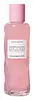
This pore-care toner is formulated around Citrullus Lanatus Fruit Extract and Gluconolactone to refine the look of pores and brighten dull-looking skin.
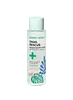
This calming toner is formulated around Snail Secretion Filtrate and Centella Asiatica Extract to calm redness and strengthen the skin barrier.


What's inside
What's inside
 Key Ingredients
Benefits
Concerns
No concerns
Ingredients Side-by-side
Opuntia Ficus-Indica Extract
Skin Conditioning
Citrullus Lanatus Fruit Extract
Skin Conditioning
Glycerin
Humectant

Hyaluronic Acid
Humectant

Gluconolactone
Chelating





Sodium Polyglutamate
HumectantBetaine Salicylate
Antimicrobial


Salix Alba Bark Extract
Astringent
Melaleuca Alternifolia Leaf Extract
Perfuming
Hibiscus Sabdariffa Flower Extract
Skin ConditioningLactobacillus/Watermelon Fruit Ferment Extract
Skin ConditioningCucumis Sativus Fruit Extract
Emollient
Saccharum Officinarum Extract
MoisturisingGlycyrrhiza Glabra Root Extract
Bleaching
Scutellaria Baicalensis Root Extract
Astringent
Paeonia Suffruticosa Root Extract
Skin ProtectingBrassica Oleracea Capitata Leaf Extract
Skin ConditioningIpomoea Batatas Root Extract
Skin ConditioningSorbitan Oleate
Emulsifying


Levulinic Acid
Perfuming
Sodium Levulinate
Skin ConditioningParfum
Masking
Opuntia Ficus-Indica Extract, Citrullus Lanatus Fruit Extract, Glycerin, Hyaluronic Acid, Gluconolactone, Sodium Polyglutamate, Betaine Salicylate, Salix Alba Bark Extract, Melaleuca Alternifolia Leaf Extract, Hibiscus Sabdariffa Flower Extract, Lactobacillus/Watermelon Fruit Ferment Extract, Cucumis Sativus Fruit Extract, Saccharum Officinarum Extract, Glycyrrhiza Glabra Root Extract, Scutellaria Baicalensis Root Extract, Paeonia Suffruticosa Root Extract, Brassica Oleracea Capitata Leaf Extract, Ipomoea Batatas Root Extract, Sorbitan Oleate, Levulinic Acid, Sodium Levulinate, Parfum




Reviews
Ingredients Explained
These ingredients are found in both products.
Ingredients higher up in an ingredient list are typically present in a larger amount.
Hyaluronic acid (HA) is a glycosaminoglycan (basically a long sugar chain) that your skin already makes on its own. In your skin, HA lives in the extracellular matrix and acts as the body's moisture reservoir.
Topically, HA is a humectant that binds water and helps skin look more plump, smooth, and hydrated.
The only catch is that HA isn't a single thing; it actually comes in a wide range of molecular weights (~50 - 2,000+ kDA) and size matters.
Some clinical evidence links low molecular weight versions to improved wrinkle depth, elasticity, anti-inflammatory effects, and barrier repair.
This is why the best HA serums blend the two sizes together so you get the best of both worlds.
The majority of cosmetic HA is produced by bacterial fermentation, typically using Streptococcus or Bacillus strains. Typical use levels in skincare sit around 0.1-2%.
A clinical study using a 0.2% low-molecular weight HA gel showed improvement in facial seborrheic dermatitis with excellent tolerance.
These are some other common types of Hyaluronic Acid:
Learn more about Hyaluronic Acid

