GLAMFOX Eye Cream Double Effect: Retinol+ Collagen Versus Hada Labo Deep Wrinkle Corrector Eye & Mouth Area Cream
This eye moisturizer is formulated around Retinyl Palmitate and Panthenol to hydrate skin.
This anti-aging eye moisturizer is formulated around Squalane and Hydrolyzed Hyaluronic Acid to soften the look of wrinkles and hydrate skin.


What's inside
What's inside
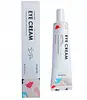 Key Ingredients
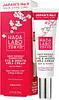
Benefits
Concerns
No concerns
Ingredients Side-by-side
Water
Skin ConditioningIsopentyldiol
Humectant
1,2-Hexanediol
Skin Conditioning
Cyclohexasiloxane
Emollient
Panthenol
Skin Conditioning



Beeswax
Emulsion Stabilising




Cetyl Alcohol
Emollient

Sodium Acrylate/Sodium Acryloyldimethyl Taurate Copolymer
Emulsion StabilisingButyrospermum Parkii Butter
Skin Conditioning
Ceteareth-20
Cleansing
Cetearyl Glucoside
Emulsifying
Isohexadecane
EmollientArginine
Masking
Retinyl Palmitate
Skin Conditioning


Helianthus Annuus Seed Oil
Emollient
Stearyl Alcohol
Emollient
Dimethicone/Vinyl Dimethicone Crosspolymer
Skin Conditioning
Allantoin
Skin Conditioning
Acrylates/C10-30 Alkyl Acrylate Crosspolymer
Emulsion StabilisingPolysorbate 80
Emulsifying
Glyceryl Stearate
Emollient
Tocopheryl Acetate
Antioxidant

Carbomer
Emulsion StabilisingPEG-100 Stearate
Surfactant
Parfum
Masking


Myristyl Alcohol
Emollient
Hydrogenated Lecithin
Emulsifying
Adenosine
Skin Conditioning
Ethylhexylglycerin
Skin ConditioningGlycine Soja Oil
Emollient
Disodium EDTA
ChelatingButylene Glycol
Humectant
Phytosteryl/Octyldodecyl Lauroyl Glutamate
Skin ConditioningHydrolyzed Collagen
Emollient
Ceramide NP
Skin Conditioning
Tocopherol
Antioxidant
Bixa Orellana Seed Oil
Emollient
Sodium Hyaluronate
Humectant
Linalool
Perfuming
Citronellol
Perfuming
Water, Isopentyldiol, 1,2-Hexanediol, Cyclohexasiloxane, Panthenol, Beeswax, Cetyl Alcohol, Sodium Acrylate/Sodium Acryloyldimethyl Taurate Copolymer, Butyrospermum Parkii Butter, Ceteareth-20, Cetearyl Glucoside, Isohexadecane, Arginine, Retinyl Palmitate, Helianthus Annuus Seed Oil, Stearyl Alcohol, Dimethicone/Vinyl Dimethicone Crosspolymer, Allantoin, Acrylates/C10-30 Alkyl Acrylate Crosspolymer, Polysorbate 80, Glyceryl Stearate, Tocopheryl Acetate, Carbomer, PEG-100 Stearate, Parfum, Myristyl Alcohol, Hydrogenated Lecithin, Adenosine, Ethylhexylglycerin, Glycine Soja Oil, Disodium EDTA, Butylene Glycol, Phytosteryl/Octyldodecyl Lauroyl Glutamate, Hydrolyzed Collagen, Ceramide NP, Tocopherol, Bixa Orellana Seed Oil, Sodium Hyaluronate, Linalool, Citronellol
Glycerin
Humectant
Butylene Glycol
Humectant
Dimethicone
Emollient
Pentylene Glycol
Skin Conditioning
Squalane
Emollient
Trehalose
Humectant
Triethylhexanoin
MaskingCaprylic/Capric Triglyceride
Masking
Dimethicone Crosspolymer-3
Skin Conditioning
Glycine Soja Seed Extract
Skin Conditioning
Hydrolyzed Collagen
Emollient
Hydrolyzed Hyaluronic Acid
Humectant
Hydrolyzed Soy Protein
Humectant
Kjellmaniella Crassifolia Extract
EmollientLonicera Japonica Flower Extract
Skin ConditioningPancratium Maritimum Extract
BleachingPhysalis Angulata Extract
Skin ProtectingSodium Acetylated Hyaluronate
Humectant
Sodium Hyaluronate
Humectant
Tetrapeptide-5
Skin Conditioning
Pullulan
Tocopheryl Acetate
Antioxidant
Glycerin, Butylene Glycol, Dimethicone, Pentylene Glycol, Squalane, Trehalose, Triethylhexanoin, Caprylic/Capric Triglyceride, Dimethicone Crosspolymer-3, Glycine Soja Seed Extract, Hydrolyzed Collagen, Hydrolyzed Hyaluronic Acid, Hydrolyzed Soy Protein, Kjellmaniella Crassifolia Extract, Lonicera Japonica Flower Extract, Pancratium Maritimum Extract, Physalis Angulata Extract, Sodium Acetylated Hyaluronate, Sodium Hyaluronate, Tetrapeptide-5, Pullulan, Tocopheryl Acetate
Reviews
Ingredients Explained
These ingredients are found in both products.
Ingredients higher up in an ingredient list are typically present in a larger amount.
Butylene Glycol (or BG) is used within cosmetic products for a few different reasons:
Overall, Butylene Glycol is a safe and well-rounded ingredient that works well with other ingredients.
Though this ingredient works well with most skin types, some people with sensitive skin may experience a reaction such as allergic rashes, closed comedones, or itchiness.
Learn more about Butylene GlycolHydrolyzed Collagen is Collagen (usually sourced from fish, bovine, or porcine byproducts) that's been broken down into smaller peptides. This makes it water-soluble and easy to blend into formulations.
In a formula, it works mainly as a skin-conditioning and moisturizing agent.
The small peptides and amino acids (including Natural Moisturizing Factor components like Hydroxyproline, Serine, and Aspartic Acid) help the surface of the skin hold onto water, feel softer, and look temporarily plumper.
This ingredient also has mild film-forming and antioxidant properties with research showing the antioxidant effect is stronger the lower the molecular weight of the peptides.
It's worth being realistic here:
Topically applied Hydrolyzed Collagen conditions the upper layers of skin rather than rebuilding the structural collagen deep in your dermis (the wrinkle-and-firmness benefits people associate with Collagen mostly come from oral supplements in studies, not topicals).
However, recent lab and skin-model work on Hydrolyzed Fish Collagen has shown promising effects on cell viability and wound healing when used as an active.
Typical concentrations range from 0.2-2%, but the percentage can go much higher in rinse-off or hair products (sometimes even above 50%).
Clinical studies on this ingredient showed no irritation, sensitization, or phototoxicity.
If you are looking for vegan collagen, it usually goes by a different INCI name like hydrolyzed soy protein. Vegan collagen is derived from yeast, bacteria, or plant sources.
The results are varied.
A study from 2021 found hydrolyzed collagen increased elasticity and improved wrinkles in 1,125 participants between age 20 and 70. Another study found increased skin thickness in participants between the ages of 45 to 59.
However, It is difficult to prove that oral collagen will end up working on your skin. Many of the studies using hydrolyzed collagen also add several vitamins and nutrients into the test mixture as well.
Further studies are needed at this time.
Learn more about Hydrolyzed CollagenSodium Hyaluronate is the salt form of hyaluronic acid. It is a long sugar chain that is naturally found in your skin, joints, and connective tissue that maintains hydration and elasticity.
In skincare, it works as a humectant. It pulls water from the environment and deeper layers of skin and binds it to the surface.
Interestingly, the size of the molecule affects its behavior:
Some clinical evidence links low molecular weight versions to improved wrinkle depth, elasticity, anti-inflammatory effects, and barrier repair.
Many serums use a blend of both weights so you can get surface hydration plus longer-lasting and deeper effects.
You'll typically see concentrations between 0.1-2% for this ingredient.
Learn more about Sodium HyaluronateTocopheryl Acetate is a stable, shelf-friendly form of vitamin E.
Formulators love it because plain vitamin E oxidizes quickly once it hits air. This acetate version stays stable and resists going off, helping to extend a product's shelf life.
It's actually inactive on its own and works like a slow-release "storage" form; the enzymes in your skin called esterases gradually convert it into active vitamin E over time.
One in vivo study showed 5% of the acetate in the living layer of the epidermis converted to vitamin E after 5 days of application. This study also found the skin gained protection against UV damage even though the conversion was slow and small.
Once converted, vitamin E acts as a skin's main fat-soluble antioxidant that fights free radicals to protect skin from damage.
Topical vitamin E generally boosts the skin's photoprotection, and it reduced UV-damage in animal models.
This ingredient has some brightening potential but it's more of a prevention ingredient than spot-fader. Cell studies show it can slow down melanin production but it's worth noting that it's not the most powerful brightener out there.
Overall, it has a pretty solid safety profile and has been found to be non-irritating and non-comedogenic. Allergic reactions may happen but stay rare due to how widely the ingredient gets used.
The concentration will vary depending on the formula; industry data shows 0.1% in baby lotions, 3% in lipsticks, and 5% in foot powders. You can also find this ingredient at 100% in a pure vitamin E oil.
Most leave-on skincare keeps it at the lower end, often between 0.5-1%.
Learn more about Tocopheryl Acetate

