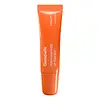
This barrier-repair lip moisturizer is formulated around Ricinus Communis Seed Oil and Butyrospermum Parkii Butter to strengthen the lip barrier and hydrate lips.
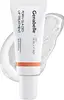
This anti-aging lip moisturizer is formulated around Sodium DNA and Tocopherol to soften the look of wrinkles and hydrate lips.

What's inside
What's inside
 Key Ingredients
Benefits
Concerns
Ingredients Side-by-side
Polyisobutene
Ricinus Communis Seed Oil
Masking




Octyldodecanol
Emollient
Phytosteryl/Isostearyl/Cetyl/Stearyl/Behenyl Dimer Dilinoleate
Skin Conditioning
Diisostearyl Malate
EmollientMicrocrystalline Wax
Emulsion StabilisingButyrospermum Parkii Butter
Skin Conditioning



Sorbitan Olivate
Emulsifying
Synthetic Wax
Abrasive
Caprylyl Glycol
Emollient
Ethylhexylglycerin
Skin ConditioningEthylene/Propylene Copolymer
Abrasive
Tocopheryl Acetate
Antioxidant


Squalane
Emollient
Water
Skin Conditioning1,2-Hexanediol
Skin Conditioning
Pentaerythrityl Tetra-Di-T-Butyl Hydroxyhydrocinnamate
Antioxidant
Butylene Glycol
Humectant
Centella Asiatica Extract
Cleansing



Sodium DNA
Skin Conditioning
Polyisobutene, Ricinus Communis Seed Oil, Octyldodecanol, Phytosteryl/Isostearyl/Cetyl/Stearyl/Behenyl Dimer Dilinoleate, Diisostearyl Malate, Microcrystalline Wax, Butyrospermum Parkii Butter, Sorbitan Olivate, Synthetic Wax, Caprylyl Glycol, Ethylhexylglycerin, Ethylene/Propylene Copolymer, Tocopheryl Acetate, Squalane, Water, 1,2-Hexanediol, Pentaerythrityl Tetra-Di-T-Butyl Hydroxyhydrocinnamate, Butylene Glycol, Centella Asiatica Extract, Sodium DNA
Polyisobutene
Tridecyl Trimellitate
EmollientHydrogenated Polyisobutene
EmollientOctyldodecanol
Emollient
Water
Skin ConditioningDextrin Palmitate
Emulsifying
Silica Dimethyl Silylate
Emollient1,2-Hexanediol
Skin Conditioning
Tocopherol
Antioxidant
Ethylene/Propylene/Styrene Copolymer
Helianthus Annuus Seed Oil
Emollient
Caprylyl Glycol
Emollient
Dimethicone
Emollient
Pentaerythrityl Tetra-Di-T-Butyl Hydroxyhydrocinnamate
Antioxidant
Ethylhexylglycerin
Skin ConditioningSodium DNA
Skin Conditioning
Butylene Glycol
Humectant
Butylene/Ethylene/Styrene Copolymer
Propanediol
Solvent
Saccharide Isomerate
Humectant
Brassica Oleracea Italica Extract
AstringentHyaluronic Acid
Humectant
Hydrolyzed Sodium DNA
Skin ConditioningTripeptide-1
Skin Conditioning
Glycerin
Humectant
Myrothamnus Flabellifolia Leaf/Stem Extract
HumectantSodium Hyaluronate Crosspolymer
Humectant
Pantothenic Acid
Skin ConditioningCitric Acid
Buffering
Sodium Citrate
BufferingAscorbic Acid
Antioxidant
Polyglutamic Acid
Skin Conditioning
Xylose
HumectantAcetyl Hexapeptide-8
Humectant
Polyisobutene, Tridecyl Trimellitate, Hydrogenated Polyisobutene, Octyldodecanol, Water, Dextrin Palmitate, Silica Dimethyl Silylate, 1,2-Hexanediol, Tocopherol, Ethylene/Propylene/Styrene Copolymer, Helianthus Annuus Seed Oil, Caprylyl Glycol, Dimethicone, Pentaerythrityl Tetra-Di-T-Butyl Hydroxyhydrocinnamate, Ethylhexylglycerin, Sodium DNA, Butylene Glycol, Butylene/Ethylene/Styrene Copolymer, Propanediol, Saccharide Isomerate, Brassica Oleracea Italica Extract, Hyaluronic Acid, Hydrolyzed Sodium DNA, Tripeptide-1, Glycerin, Myrothamnus Flabellifolia Leaf/Stem Extract, Sodium Hyaluronate Crosspolymer, Pantothenic Acid, Citric Acid, Sodium Citrate, Ascorbic Acid, Polyglutamic Acid, Xylose, Acetyl Hexapeptide-8
Reviews
Ingredients Explained
These ingredients are found in both products.
Ingredients higher up in an ingredient list are typically present in a larger amount.
1,2-Hexanediol is a synthetic liquid and another multi-functional powerhouse.
It is a:
- Humectant, drawing moisture into the skin
- Emollient, helping to soften skin
- Solvent, dispersing and stabilizing formulas
- Preservative booster, enhancing the antimicrobial activity of other preservatives
Butylene Glycol (or BG) is used within cosmetic products for a few different reasons:
Overall, Butylene Glycol is a safe and well-rounded ingredient that works well with other ingredients.
Though this ingredient works well with most skin types, some people with sensitive skin may experience a reaction such as allergic rashes, closed comedones, or itchiness.
Learn more about Butylene GlycolCaprylyl Glycol is a humectant, skin conditioner, emollient, and preservative booster derived from either caprylic acid or synthetically created.
Typical use levels vary from 0.3-1% as a preservative booster and go up to 2% to condition skin.
Because it is not a free-fatty acid, this ingredient is fungal acne safe (there's nothing for Malassezia to feed on).
Learn more about Caprylyl GlycolEthylhexylglycerin is created from glycerin. It is a multitasker ingredient that:
The CIR Expert Panel found minimal skin absorption or sensitization of any kind in a safety assessment. Though this ingredient is considered well-tolerated, a small number of cases of allergic dermatitis have been published since 2002. Just be sure to patch test if you are unsure.
Industry-reported use ranges from 8% in rinse-off products and 2% in leave-on formulations.
Learn more about EthylhexylglycerinOctyldodecanol is a fatty alcohol sourced from plant oils like coconut or palm (or made synthetically).
It is:
You'll likely see this in many BHA products because this is the go-to solvent for salicylic acid.
This ingredient is typically used at levels between 2-20%.
Regarding fungal acne:
In 2019, this ingredient was tested against multiple Malassezia species (the yeast that causes fungal acne) and showed no growth.
Pentaerythrityl Tetra-Di-T-Butyl Hydroxyhydrocinnamate (long name, huh?) is a synthetic antioxidant.
It is used to help stabilize other antioxidants or prevent the color from changing in a product.
As an antioxidant, it helps fight free-radical molecules. Free-radical molecules are capable of damaging our cells and other genetic material. Thus, antioxidants may reduce the signs of aging.
This ingredient is oil-soluble.
Learn more about Pentaerythrityl Tetra-Di-T-Butyl HydroxyhydrocinnamatePolyisobutene is a synthetic polymer made from isobutene.
It is a film-forming agent and helps bind ingredients together.
Polyisobutene is not absorbed by the skin.
Learn more about PolyisobuteneSodium DNA is an emerging anti-aging ingredient.
It is created by taking deoxyribonucleic acid (DNA) and purifying it with sodium hydroxide.
The DNA is extracted from several different animal sources, including: calf thymus, the gonadic tissue of a male sturgeon, or herring / salmon sperm.
You have probably seen this ingredient in anti-aging skincare. But what is it?
DNA is composed of nucleotides, or chemical building blocks. Nucleotides include adenine (A), thymine (T), guanine (G), and cytosine (C). Talk about a flashback to biology! Nucleosides are formed from these nucleotides.
The science behind Sodium DNA is based on an ingredient called Polydeoxyribonucleotide or PDRN.
PDRN are DNA fragments mainly extracted from the sperm cells of trout or salmon. Meaning, PDRN can be derived from Sodium DNA.
PDRN consists of chains of nucleotides and nucleosides mentioned above. They can range anywhere from 80 - 2000 pairs.
Studies show PDRN has the following properties:
Most of the research on PDRN has been done using injectable forms. That’s important, because PDRN is a large molecule and doesn’t absorb well through the skin. So if you’re applying it topically, the effects are likely to be much milder.
Still, topical Sodium DNA is emerging as a trendy anti-aging ingredient. It’s generally well-tolerated and offers good biocompatibility with human skin, making it a low-risk addition to most routines.
Further studies are needed to truly confirm this ingredients anti-aging ability (Remember, retinol has decades of research!).
Sodium DNA may be sourced from fish, animal tissue, or plants. Since this isn’t always disclosed, we recommend asking the brand directly if the ingredient’s origin is important to you.
Learn more about Sodium DNAWater. It's the most common cosmetic ingredient of all. You'll usually see it at the top of ingredient lists, meaning that it makes up the largest part of the product.
So why is it so popular? Water most often acts as a solvent - this means that it helps dissolve other ingredients into the formulation.
You'll also recognize water as that liquid we all need to stay alive. If you see this, drink a glass of water. Remember to stay hydrated!
Learn more about Water

