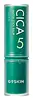
This calming treatment is formulated around Centella Asiatica Extract and Niacinamide to calm redness and strengthen the skin barrier.
This brightening treatment is formulated around Dimethicone and Asiaticoside to fade the look of dark spots and strengthen the skin barrier.


What's inside
What's inside
 Key Ingredients
Benefits
Concerns
Ingredients Side-by-side
Synthetic Wax
Abrasive

Coco-Caprylate/Caprate
Emollient
Butylene Glycol
Humectant

Stearyl Heptanoate
Emollient

Centella Asiatica Extract
Cleansing




Stearyl Caprylate
Emollient1,2-Hexanediol
Skin Conditioning
Niacinamide
Smoothing





Lauryl Polyglyceryl-3 Polydimethylsiloxyethyl Dimethicone
Skin Conditioning
Vinyldimethicone
Polyglyceryl-2 Oleate
Emulsifying

Polyhydroxystearic Acid
Emulsifying
Polyglyceryl-4 Isostearate
Emulsifying
Sodium Chloride
MaskingPolyglyceryl-2 Stearate
Emulsifying
Dipropylene Glycol
HumectantMelia Azadirachta Leaf Extract
Skin ConditioningDisteardimonium Hectorite
StabilisingEthylhexylglycerin
Skin ConditioningAdenosine
Skin Conditioning
Mel
EmollientTocopherol
Antioxidant

Ceramide NP
Skin Conditioning
Hydrogenated Lecithin
Emulsifying
Glyceryl Stearate
Emollient
Sodium Guaiazulene Sulfonate
SurfactantPanthenol
Skin Conditioning
Madecassoside
Antioxidant
Asiaticoside
Antioxidant
Madecassic Acid
Skin Conditioning
Xylitylglucoside
Humectant
Anhydroxylitol
Humectant
Asiatic Acid
Skin Conditioning
Xylitol
Humectant
Glucose
Humectant
Sodium Hyaluronate
Humectant
Hydrolyzed Hyaluronic Acid
Humectant
Hydrolyzed Sodium Hyaluronate
Skin Conditioning
Hyaluronic Acid
Humectant
Hydroxypropyltrimonium Hyaluronate
Potassium Hyaluronate
Skin ConditioningPentylene Glycol
Skin Conditioning
Sodium Hyaluronate Crosspolymer
Humectant
Sodium Acetylated Hyaluronate
Humectant
Parfum
Masking


Synthetic Wax, Coco-Caprylate/Caprate, Butylene Glycol, Stearyl Heptanoate, Centella Asiatica Extract, Stearyl Caprylate, 1,2-Hexanediol, Niacinamide, Lauryl Polyglyceryl-3 Polydimethylsiloxyethyl Dimethicone, Vinyldimethicone, Polyglyceryl-2 Oleate, Polyhydroxystearic Acid, Polyglyceryl-4 Isostearate, Sodium Chloride, Polyglyceryl-2 Stearate, Dipropylene Glycol, Melia Azadirachta Leaf Extract, Disteardimonium Hectorite, Ethylhexylglycerin, Adenosine, Mel, Tocopherol, Ceramide NP, Hydrogenated Lecithin, Glyceryl Stearate, Sodium Guaiazulene Sulfonate, Panthenol, Madecassoside, Asiaticoside, Madecassic Acid, Xylitylglucoside, Anhydroxylitol, Asiatic Acid, Xylitol, Glucose, Sodium Hyaluronate, Hydrolyzed Hyaluronic Acid, Hydrolyzed Sodium Hyaluronate, Hyaluronic Acid, Hydroxypropyltrimonium Hyaluronate, Potassium Hyaluronate, Pentylene Glycol, Sodium Hyaluronate Crosspolymer, Sodium Acetylated Hyaluronate, Parfum
Dimethicone
Emollient
Helianthus Annuus Seed Wax
Skin Conditioning
Caprylic/Capric Triglyceride
Masking
Dimethicone Crosspolymer
Emulsion Stabilising
C10-18 Triglycerides
Emollient
Butyrospermum Parkii Butter
Skin Conditioning
C13-15 Alkane
SolventBeeswax
Emulsion Stabilising
Cocos Nucifera Oil
Masking
Asiaticoside
Antioxidant
Madecassic Acid
Skin Conditioning
Asiatic Acid
Skin Conditioning
Bisabolol
Antioxidant
Cetyl PEG/PPG-10/1 Dimethicone
Emulsifying
Dimethicone/Vinyl Dimethicone Crosspolymer
Skin Conditioning
Oryza Sativa Bran Extract
Skin Conditioning
Helianthus Annuus Extract
Emollient
Rosmarinus Officinalis Leaf Extract
AntimicrobialTocopherol
Antioxidant
Water
Skin ConditioningAlcohol
Antimicrobial

Citric Acid
Buffering
Dimethicone, Helianthus Annuus Seed Wax, Caprylic/Capric Triglyceride, Dimethicone Crosspolymer, C10-18 Triglycerides, Butyrospermum Parkii Butter, C13-15 Alkane, Beeswax, Cocos Nucifera Oil, Asiaticoside, Madecassic Acid, Asiatic Acid, Bisabolol, Cetyl PEG/PPG-10/1 Dimethicone, Dimethicone/Vinyl Dimethicone Crosspolymer, Oryza Sativa Bran Extract, Helianthus Annuus Extract, Rosmarinus Officinalis Leaf Extract, Tocopherol, Water, Alcohol, Citric Acid
Ingredients Explained
These ingredients are found in both products.
Ingredients higher up in an ingredient list are typically present in a larger amount.
Asiatic Acid is one of the four main actives found in Centella Asiatica. Its headline job is stimulating collagen.
Lab tests on human skin cells show Asiatic Acid tells your skin to make more collagen, the protein that keeps skin firm and bouncy.
It also calms inflammation and acts as an antioxidant so it can help skin heal faster, rebuild itself, and repair a damaged barrier.
And on naming, even though "acid" is in the name, it's nothing like an AHA or BHA exfoliant. It's a gentle firming and soothing ingredient that supports your skin barrier.
Concentration-wise, Asiatic Acid is potent at very low doses and usually shows up as a small fraction of a broader centella extract.
Analyses of centella material put Asiatic Acid reported in the range of 0.2-3% of the extract.
This ingredient is non-sensitizing and guinea pig sensitization testing also found it to be a weak sensitizer. That means the risk of acquiring contact sensitivty is quite low.
Allergic contact dermatitis does exist but is also very rare; documented cases tend to involve prolonged use on broken skin plus co-sensitization to fragrance ingredients.
Learn more about Asiatic AcidAsiaticoside comes from the super popular skin-soothing ingredient, Centella asiatica. It's the reason centella-based products have a strong reputation for repairing and calming skin, along with its sibling compound Madecassoside.
Research from 2016-2025 supports its role in:
You'll usually find this in concentrations between 0.2-5%.
Learn more about AsiaticosideMadecassic Acid is one of the four star actives in Centella Asiatica. In skincare, it earns its keep as a calming and repairing ingredient.
It works through the same core pathways as the rest of the centella family.
First, it turns down inflammation so it helps with things like redness and general upset skin.
Second, it acts as an antioxidant which means it helps protect skin from daily stress and damage.
And third, it nudges the skin to make more collagen and rebuild its support structure.
That combination is why the whole Centella family is known for calming skin, strengthening the barrier, fading redness, and giving anti-aging benefits.
It's worth being honest about the evidence here; a lot of the strongest data is on the full extract or a Madecassoside/Asiaticoside rather than Madecassic Acid alone. Reviewers also note more long-term clinical trials are needed to confirm the full potential.
Concentration-wise, this ingredient is rarely used pure and usually shows up as part of a standardized centella extract where reported content ranges from 0.02-3.06%.
Finished products typically run somewhere in the 0.1-10% range depending on the format.
In real-world tolerance tests, a repeat-insult patch test on an eye lotion with 0.2% Centella extract showed no irritation or allergic contact dermatitis in 54 subjects. And a mascara with 0.5% Madecassoside caused neither irritation nor sensitization in 109 subjects.
Allergy risk is very low, but not zero. Centella and its constituents are classified as weak contact sensitizers and some rare cases of allergic contact dermatitis exist.
Learn more about Madecassic AcidTocopherol is a fat-soluble antioxidant known as Vitamin E.
You'll find this ingredient in the vast majority of skincare (for good reason). It works to neutralize free radicals, or unstable molecules generated by UV exposure, pollution, and other environmental stressors, before they can cause oxidative damage to your skin cells.
Topically applied tocopherol has been shown to protect against UV damage by ramping up the skin's own natural defense enzymes.
It also acts as a skin conditioning agent; some studies show that regular topical use can improve the skin's water-binding capacity over 2-4 weeks.
This ingredient is especially loved for being a team player. When combined with Vitamin C, the photoprotective effect of both ingredients roughly doubles and the combo also helps reduce UV-induced DNA damage.
This ingredient has some brightening potential but it's more of a prevention ingredient than spot-fader. Cell studies show it can slow down melanin production but it's worth noting that it's not the most powerful brightener out there.
In formulations, it also serves as a stabilizer that helps protect other oxidation-prone ingredients from degrading.
Concentrations usually range from 0.1-1% in most leave-on products.
Learn more about Tocopherol

