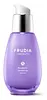
This hydrating serum is formulated around Vaccinium Angustifolium Fruit Extract and Panthenol to hydrate skin and calm redness.
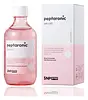
This anti-aging serum is formulated around Niacinamide and Sodium Hyaluronate to soften the look of wrinkles and hydrate skin.

What's inside
What's inside
 Key Ingredients
Benefits
Concerns
Ingredients Side-by-side
Vaccinium Angustifolium Fruit Extract
Skin Protecting
Glycereth-26
Humectant
Water
Skin ConditioningButylene Glycol
Humectant
Methylpropanediol
SolventPEG/PPG-17/6 Copolymer
Solvent1,2-Hexanediol
Skin Conditioning
Betaine
Humectant
Diglycerin
Humectant
Hydroxyethyl Urea
Humectant
Bis-PEG-18 Methyl Ether Dimethyl Silane
EmollientPanthenol
Skin Conditioning

PEG-60 Hydrogenated Castor Oil
Emulsifying


Acrylates/C10-30 Alkyl Acrylate Crosspolymer
Emulsion StabilisingDimethicone
Emollient
Lecithin
Emollient
Tromethamine
BufferingPEG-6 Methyl Ether
SolventHydroxyethyl Acrylate/Sodium Acryloyldimethyl Taurate Copolymer
Emulsion StabilisingEthylhexylglycerin
Skin ConditioningXanthan Gum
EmulsifyingBiosaccharide Gum-1
Humectant
Disodium EDTA
ChelatingPolysorbate 60
Emulsifying
Sorbitan Isostearate
Emulsifying
BHT
Antioxidant
Coco-Caprylate/Caprate
Emollient
Prunus Armeniaca Kernel Oil
Masking

Vitis Vinifera Seed Oil
Emollient
Citrus Paradisi Seed Oil
Perfuming
Mangifera Indica Seed Oil
Emollient
Punica Granatum Seed Oil
Emollient
Solanum Lycopersicum Seed Oil
Emollient
Tocopherol
Antioxidant



Phenoxyethanol
Preservative
CI 60730
Cosmetic ColorantParfum
Masking

Vaccinium Angustifolium Fruit Extract, Glycereth-26, Water, Butylene Glycol, Methylpropanediol, PEG/PPG-17/6 Copolymer, 1,2-Hexanediol, Betaine, Diglycerin, Hydroxyethyl Urea, Bis-PEG-18 Methyl Ether Dimethyl Silane, Panthenol, PEG-60 Hydrogenated Castor Oil, Acrylates/C10-30 Alkyl Acrylate Crosspolymer, Dimethicone, Lecithin, Tromethamine, PEG-6 Methyl Ether, Hydroxyethyl Acrylate/Sodium Acryloyldimethyl Taurate Copolymer, Ethylhexylglycerin, Xanthan Gum, Biosaccharide Gum-1, Disodium EDTA, Polysorbate 60, Sorbitan Isostearate, BHT, Coco-Caprylate/Caprate, Prunus Armeniaca Kernel Oil, Vitis Vinifera Seed Oil, Citrus Paradisi Seed Oil, Mangifera Indica Seed Oil, Punica Granatum Seed Oil, Solanum Lycopersicum Seed Oil, Tocopherol, Phenoxyethanol, CI 60730, Parfum
Water
Skin ConditioningDipropylene Glycol
HumectantGlycerin
Humectant
Niacinamide
Smoothing




1,2-Hexanediol
Skin Conditioning
Betaine
Humectant
Carbomer
Emulsion StabilisingPEG-60 Hydrogenated Castor Oil
Emulsifying
Arginine
Masking
Caprylyl Glycol
Emollient
Hydroxyethylcellulose
Emulsion StabilisingHoney Extract
Humectant
Centella Asiatica Extract
Cleansing
Hydroxyacetophenone
Antioxidant
Xanthan Gum
EmulsifyingAdenosine
Skin Conditioning
Butylene Glycol
Humectant
Parfum
Masking
Disodium EDTA
ChelatingPentylene Glycol
Skin Conditioning
Gardenia Florida Fruit Extract
Skin ConditioningPolyglyceryl-10 Laurate
Skin Conditioning
Maltodextrin
Absorbent
Sodium Hyaluronate
Humectant
Sodium Hyaluronate Crosspolymer
Humectant
Hydrolyzed Hyaluronic Acid
Humectant
Hyaluronic Acid
Humectant
Ethylhexylglycerin
Skin ConditioningHydrolyzed Sodium Hyaluronate
Skin Conditioning
Hexapeptide-9
Skin Conditioning
Palmitoyl Pentapeptide-4
Skin Conditioning
Palmitoyl Tripeptide-1
Skin Conditioning
Tripeptide-1
Skin Conditioning
Hexapeptide-11
Skin Conditioning
Copper Tripeptide-1
Skin Conditioning
Water, Dipropylene Glycol, Glycerin, Niacinamide, 1,2-Hexanediol, Betaine, Carbomer, PEG-60 Hydrogenated Castor Oil, Arginine, Caprylyl Glycol, Hydroxyethylcellulose, Honey Extract, Centella Asiatica Extract, Hydroxyacetophenone, Xanthan Gum, Adenosine, Butylene Glycol, Parfum, Disodium EDTA, Pentylene Glycol, Gardenia Florida Fruit Extract, Polyglyceryl-10 Laurate, Maltodextrin, Sodium Hyaluronate, Sodium Hyaluronate Crosspolymer, Hydrolyzed Hyaluronic Acid, Hyaluronic Acid, Ethylhexylglycerin, Hydrolyzed Sodium Hyaluronate, Hexapeptide-9, Palmitoyl Pentapeptide-4, Palmitoyl Tripeptide-1, Tripeptide-1, Hexapeptide-11, Copper Tripeptide-1
Reviews
Ingredients Explained
These ingredients are found in both products.
Ingredients higher up in an ingredient list are typically present in a larger amount.
1,2-Hexanediol is a synthetic liquid and another multi-functional powerhouse.
It is a:
- Humectant, drawing moisture into the skin
- Emollient, helping to soften skin
- Solvent, dispersing and stabilizing formulas
- Preservative booster, enhancing the antimicrobial activity of other preservatives
Betaine is a humectant. Like hyaluronic acid, it helps attract and retain moisture in the skin. It’s known for being gentle and for helping the skin maintain balanced hydration.
Betaine is mainly used to improve hydration and support calmer skin. It helps skin cells regulate water balance because it functions as an osmolyte.
Some studies suggest betaine may support making skin tone more even.
Fun fact: Betaine naturally exists in the skin and the body. In cosmetic products, it can be either plant-derived (most commonly from sugar beets) or synthetically produced for consistency and stability.
Betaine is also known as trimethylglycine.
Learn more about BetaineButylene Glycol (or BG) is used within cosmetic products for a few different reasons:
Overall, Butylene Glycol is a safe and well-rounded ingredient that works well with other ingredients.
Though this ingredient works well with most skin types, some people with sensitive skin may experience a reaction such as allergic rashes, closed comedones, or itchiness.
Learn more about Butylene GlycolDisodium EDTA is a chelating agent. It grabs onto and deactivates metal ions that sneak into your products from water, packaging, or air.
This ingredient mainly works behind the scenes and helps with:
On top of that, this ingredient can counteract the effects of hard water by binding to the minerals in it.
One thing worth knowing is that Disodium EDTA has been shown to be a mild penetration enhancer. It can help other ingredients absorb into skin more effectively which can be a double-edged sword (great for actives, but can also make the active too strong if you have sensitive skin).
Clinical patch testing showed no significant skin irritation at typical use concentrations and minimal dermal absorption.
You'll most likely see this ingredient near the end of an ingredient list. It's typically found in concentrations less than 1%.
Learn more about Disodium EDTAEthylhexylglycerin is created from glycerin. It is a multitasker ingredient that:
The CIR Expert Panel found minimal skin absorption or sensitization of any kind in a safety assessment. Though this ingredient is considered well-tolerated, a small number of cases of allergic dermatitis have been published since 2002. Just be sure to patch test if you are unsure.
Industry-reported use ranges from 8% in rinse-off products and 2% in leave-on formulations.
Learn more about EthylhexylglycerinParfum is a catch-all term for an ingredient or more that is used to give a scent to products.
Also called "fragrance", this ingredient can be a blend of hundreds of chemicals or plant oils. This means every product with "fragrance" or "parfum" in the ingredients list is a different mixture.
For instance, Habanolide is a proprietary trade name for a specific aroma chemical. When used as a fragrance ingredient in cosmetics, most aroma chemicals fall under the broad labeling category of “FRAGRANCE” or “PARFUM” according to EU and US regulations.
The term 'parfum' or 'fragrance' is not regulated in many countries. In many cases, it is up to the brand to define this term.
For instance, many brands choose to label themselves as "fragrance-free" because they are not using synthetic fragrances. However, their products may still contain ingredients such as essential oils that are considered a fragrance by INCI standards.
One example is Calendula flower extract. Calendula is an essential oil that still imparts a scent or 'fragrance'.
Depending on the blend, the ingredients in the mixture can cause allergies and sensitivities on the skin. Some ingredients that are known EU allergens include linalool and citronellol.
Parfum can also be used to mask or cover an unpleasant scent.
The bottom line is: not all fragrances/parfum/ingredients are created equally. If you are worried about fragrances, we recommend taking a closer look at an ingredient. And of course, we always recommend speaking with a professional.
Learn more about ParfumPeg-60 Hydrogenated Castor Oil comes from hydrogenated castor oil. It is a solubilizer and emulsifier.
As a solubilizer, it helps dissolve ingredients into a water-based version. It is also an emulsifer. Emulsifier help prevent oils and water from separating. Both these properties help create evenly-spread and uniform products.
Basically, Peg-60 Hydrogenated Castor Oil helps hold ingredients together.
Learn more about PEG-60 Hydrogenated Castor OilWater. It's the most common cosmetic ingredient of all. You'll usually see it at the top of ingredient lists, meaning that it makes up the largest part of the product.
So why is it so popular? Water most often acts as a solvent - this means that it helps dissolve other ingredients into the formulation.
You'll also recognize water as that liquid we all need to stay alive. If you see this, drink a glass of water. Remember to stay hydrated!
Learn more about WaterXanthan gum is used as a stabilizer and thickener within cosmetic products. It helps give products a sticky, thick feeling - preventing them from being too runny.
On the technical side of things, xanthan gum is a polysaccharide - a combination consisting of multiple sugar molecules bonded together.
Xanthan gum is a pretty common and great ingredient. It is a natural, non-toxic, non-irritating ingredient that is also commonly used in food products.
Learn more about Xanthan Gum

