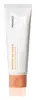
This barrier-repair moisturizer is formulated around Simmondsia Chinensis Seed Oil and Helianthus Annuus Seed Oil to strengthen the skin barrier and hydrate skin.
This calming moisturizer is formulated around Niacinamide and Panthenol to calm redness and strengthen the skin barrier.

What's inside
What's inside
 Key Ingredients
Benefits
Concerns
Ingredients Side-by-side
Water
Skin ConditioningSimmondsia Chinensis Seed Oil 6.3%
Emollient





Helianthus Annuus Seed Oil 5.7%
Emollient
Propanediol
Solvent
Dimethicone
Emollient
Glycerin
Humectant
Astrocaryum Murumuru Seed Butter 5%
Emollient

Macadamia Ternifolia Seed Oil 3%
Emollient
1,2-Hexanediol
Skin Conditioning
Glyceryl Stearate
Emollient
Methyl Glucose Sesquistearate
Emollient
C14-22 Alcohols
Emulsion Stabilising
Methyl Gluceth-20
Humectant
Cetearyl Alcohol
Emollient

Hydrogenated Polydecene
EmollientCetyl Palmitate
Emollient
Behenyl Alcohol
Emollient
Sorbitan Stearate
Emulsifying
C12-20 Alkyl Glucoside
EmulsifyingAcrylates/C10-30 Alkyl Acrylate Crosspolymer
Emulsion StabilisingXanthan Gum
EmulsifyingHydrolyzed Jojoba Esters
Skin Conditioning
Tromethamine
BufferingAdenosine
Skin Conditioning

Disodium EDTA
ChelatingSodium Hyaluronate
Humectant

Glucose
Humectant
Tocopherol
Antioxidant



Water, Simmondsia Chinensis Seed Oil 6.3%, Helianthus Annuus Seed Oil 5.7%, Propanediol, Dimethicone, Glycerin, Astrocaryum Murumuru Seed Butter 5%, Macadamia Ternifolia Seed Oil 3%, 1,2-Hexanediol, Glyceryl Stearate, Methyl Glucose Sesquistearate, C14-22 Alcohols, Methyl Gluceth-20, Cetearyl Alcohol, Hydrogenated Polydecene, Cetyl Palmitate, Behenyl Alcohol, Sorbitan Stearate, C12-20 Alkyl Glucoside, Acrylates/C10-30 Alkyl Acrylate Crosspolymer, Xanthan Gum, Hydrolyzed Jojoba Esters, Tromethamine, Adenosine, Disodium EDTA, Sodium Hyaluronate, Glucose, Tocopherol
Water
Skin ConditioningPropanediol
Solvent
Glycerin
Humectant
Cyclohexasiloxane
Emollient
1,2-Hexanediol
Skin Conditioning
Niacinamide
Smoothing




Caprylic/Capric Triglyceride
Masking
Polyglycerin-3
Humectant
Panthenol
Skin Conditioning
Polyglyceryl-10 Stearate
Skin Conditioning
Hydrogenated Polydecene
EmollientHydrogenated Poly(C6-14 Olefin)
EmollientDicaprylyl Carbonate
EmollientAmmonium Acryloyldimethyltaurate/Vp Copolymer
C14-22 Alcohols
Emulsion Stabilising
Polymethylsilsesquioxane
C12-20 Alkyl Glucoside
EmulsifyingButylene Glycol
Humectant
Acrylates/C10-30 Alkyl Acrylate Crosspolymer
Emulsion StabilisingEthylhexylglycerin
Skin ConditioningPolyquaternium-51
Skin Conditioning
Tromethamine
BufferingSodium Hyaluronate
Humectant
Coptis Japonica Root Extract
Skin ConditioningHouttuynia Cordata Extract
Skin Conditioning
Oenothera Biennis Flower Extract
AstringentBeta-Glucan
Skin Conditioning
Resveratrol
Antioxidant
Gardenia Florida Fruit Extract
Skin ConditioningLavandula Angustifolia Flower Extract
Cleansing

Opuntia Ficus-Indica Stem Extract
Skin Conditioning
Hydrolyzed Hyaluronic Acid
Humectant
Centella Asiatica Leaf Extract
Skin Conditioning
Phenoxyethanol
Preservative
Hibiscus Sabdariffa Flower Extract
Skin ConditioningTocopherol
Antioxidant
Corallina Officinalis Extract
Skin Conditioning
Ceramide NP
Skin Conditioning
Water, Propanediol, Glycerin, Cyclohexasiloxane, 1,2-Hexanediol, Niacinamide, Caprylic/Capric Triglyceride, Polyglycerin-3, Panthenol, Polyglyceryl-10 Stearate, Hydrogenated Polydecene, Hydrogenated Poly(C6-14 Olefin), Dicaprylyl Carbonate, Ammonium Acryloyldimethyltaurate/Vp Copolymer, C14-22 Alcohols, Polymethylsilsesquioxane, C12-20 Alkyl Glucoside, Butylene Glycol, Acrylates/C10-30 Alkyl Acrylate Crosspolymer, Ethylhexylglycerin, Polyquaternium-51, Tromethamine, Sodium Hyaluronate, Coptis Japonica Root Extract, Houttuynia Cordata Extract, Oenothera Biennis Flower Extract, Beta-Glucan, Resveratrol, Gardenia Florida Fruit Extract, Lavandula Angustifolia Flower Extract, Opuntia Ficus-Indica Stem Extract, Hydrolyzed Hyaluronic Acid, Centella Asiatica Leaf Extract, Phenoxyethanol, Hibiscus Sabdariffa Flower Extract, Tocopherol, Corallina Officinalis Extract, Ceramide NP
Reviews
Ingredients Explained
These ingredients are found in both products.
Ingredients higher up in an ingredient list are typically present in a larger amount.
1,2-Hexanediol is a synthetic liquid and another multi-functional powerhouse.
It is a:
- Humectant, drawing moisture into the skin
- Emollient, helping to soften skin
- Solvent, dispersing and stabilizing formulas
- Preservative booster, enhancing the antimicrobial activity of other preservatives
Acrylates/C10-30 Alkyl Acrylate Crosspolymer is a synthetic polymer. It is used to thicken, emulsify, and improve the texture of products.
As an emulsifier, it helps stabilize oil-in-water emulsions to give products an elegant feel when applied.
It can also form a thin protective film on skin. One study found that a formula using this polymer helped slow down how quickly other ingredients (like DEET) were absorbed through skin.
A 2024 study of over 1,300 patients confirmed that sensitization to this ingredient is rare. It is also non-mutagenic and has a clean track record.
Learn more about Acrylates/C10-30 Alkyl Acrylate CrosspolymerWe don't have a description for C12-20 Alkyl Glucoside yet.
This ingredient is a blend of long-chain fatty alcohols (myristyl, cetyl, stearyl, arachidyl, and behenyl). It is an emulsion stabilizer with emollient properties.
Don't let the word "alcohol" scare you: fatty alcohols are nothing like the drying solvents. This ingredient actually helps soften and smooth the skin.
By the way, the FDA allows products to be labeled "alcohol-free" even when they contain fatty alcohols like this one.
In a formula, it prevents the water and oil phases from separating over time while also contributing to a pleasant, non-greasy slip.
Interestingly, this ingredient can organize into the structures that mimic the skin's own lipid architecture to help support barrier function and reduce transepidermal water loss (TEWL).
The CIR Expert Panel has thoroughly assess the individual fatty alcohols that make up this blend and found no significant toxicity or dermal irritation.
Learn more about C14-22 AlcoholsGlycerin (or glycerol) is a compound naturally found in your skin. It's a powerhouse humectant that pulls water into the stratum corneum.
Topically, glycerin does several things at once:
Your skin makes glycerin on its own (mostly from sebaceous oil breakdown) and shuttles it to your outermost layer of skin, or your epidermis, via aquaporin-3.
Aquaporin-3 is a transporter that is essential for normal skin hydration, elasticity, and repair. Interestingly, mice lacking in AQP3 have dry and less elastic skin that can be fully corrected with glycerin.
This ingredient is non-irritating, plays well with almost every ingredient, and works across all skin types. Typical use is anywhere between 3-10% but can go up to 79% in some leave-on products.
Just know very high concentrations (>40%) can feel tacky in low humidity.
Glycerin is the name for this ingredient in American English. British English uses Glycerol/Glycerine.
Learn more about GlycerinHydrogenated Polydecene is a synthetic emollient. It forms a non-occlusive film on the skin's surface to provide a silky feel without being greasy.
In vivo studies in volunteers with atopic and dry skin showed no irritation or intolerance. The volunteers also saw a positive effect in dryness, scaling, and roughness after 28 days of use.
Concentrations up to 100% in guinea pig tests found it to be non-sensitizing and completely safe for use in cosmetics.
Learn more about Hydrogenated PolydecenePropanediol is an all-star ingredient. It softens, hydrates, and smooths the skin.
It’s often used to:
Propanediol is not likely to cause sensitivity and considered safe to use. It is derived from corn or petroleum with a clear color and no scent.
Learn more about PropanediolSodium Hyaluronate is the salt form of hyaluronic acid. It is a long sugar chain that is naturally found in your skin, joints, and connective tissue that maintains hydration and elasticity.
In skincare, it works as a humectant. It pulls water from the environment and deeper layers of skin and binds it to the surface.
Interestingly, the size of the molecule affects its behavior:
Some clinical evidence links low molecular weight versions to improved wrinkle depth, elasticity, anti-inflammatory effects, and barrier repair.
Many serums use a blend of both weights so you can get surface hydration plus longer-lasting and deeper effects.
You'll typically see concentrations between 0.1-2% for this ingredient.
Learn more about Sodium HyaluronateTocopherol is a fat-soluble antioxidant known as Vitamin E.
You'll find this ingredient in the vast majority of skincare (for good reason). It works to neutralize free radicals, or unstable molecules generated by UV exposure, pollution, and other environmental stressors, before they can cause oxidative damage to your skin cells.
Topically applied tocopherol has been shown to protect against UV damage by ramping up the skin's own natural defense enzymes.
It also acts as a skin conditioning agent; some studies show that regular topical use can improve the skin's water-binding capacity over 2-4 weeks.
This ingredient is especially loved for being a team player. When combined with Vitamin C, the photoprotective effect of both ingredients roughly doubles and the combo also helps reduce UV-induced DNA damage.
This ingredient has some brightening potential but it's more of a prevention ingredient than spot-fader. Cell studies show it can slow down melanin production but it's worth noting that it's not the most powerful brightener out there.
In formulations, it also serves as a stabilizer that helps protect other oxidation-prone ingredients from degrading.
Concentrations usually range from 0.1-1% in most leave-on products.
Learn more about TocopherolTromethamine (aka THAM) is a synthetic amino acid that shows up in skincare as a helper ingredient.
It functions as a pH adjuster to help neutralize acidic ingredients and set a formula's pH to the right spot.
This matters a lot because a lot of actives (like vitamin C) needs a specific pH to work well and feel comfortable on skin.
Concentration use ranges from 0.1-1.0% depending on the formula.
Learn more about TromethamineWater. It's the most common cosmetic ingredient of all. You'll usually see it at the top of ingredient lists, meaning that it makes up the largest part of the product.
So why is it so popular? Water most often acts as a solvent - this means that it helps dissolve other ingredients into the formulation.
You'll also recognize water as that liquid we all need to stay alive. If you see this, drink a glass of water. Remember to stay hydrated!
Learn more about Water

