Flower Beauty by Drew Afterglow Luminous Serum Versus La Prairie Platinum Rare Haute-Rejuvenation Elixir
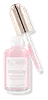
This brightening serum is formulated around Sodium Hyaluronate and Niacinamide to brighten dull-looking skin and hydrate skin.
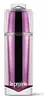
This anti-aging serum is formulated around Panax Ginseng Root Extract and Palmitoyl Pentapeptide-4 to soften the look of wrinkles and refine skin texture.


What's inside
What's inside
 Key Ingredients
Benefits
Concerns
Ingredients Side-by-side
Water
Skin ConditioningIsopentyldiol
Humectant
Glycerin
Humectant

Butylene Glycol
Humectant
Polyester-5
Propanediol
Solvent
Polyglyceryl-10 Eicosanedioate/Tetradecanedioate
Skin ConditioningCaprylic/Capric/Succinic Triglyceride
EmollientCaprylyl Glycol
Emollient
Polyacrylate Crosspolymer-11
Emulsion StabilisingSilica
Abrasive


Mica
Cosmetic ColorantPhenoxyethanol
Preservative
PPG-26-Buteth-26
Skin ConditioningPEG-40 Hydrogenated Castor Oil
Emulsifying


Ethylhexylglycerin
Skin ConditioningHexylene Glycol
EmulsifyingParfum
Masking



Sodium Hyaluronate
Humectant


Benzotriazolyl Dodecyl P-Cresol
UV AbsorberPotassium Hydroxide
BufferingSodium Phosphate
BufferingNiacinamide
Smoothing





Tin Oxide
Abrasive
Sodium Acetate
BufferingNonapeptide-1
Skin Conditioning
Tris(Tetramethylhydroxypiperidinol)Citrate
StabilisingPrunus Persica Fruit Extract
Abrasive
Paeonia Albiflora Root Extract
Skin ConditioningDisodium Phosphate
BufferingLinalool
Perfuming
Citronellol
Perfuming
CI 77891
Cosmetic ColorantCI 16035
Cosmetic ColorantWater, Isopentyldiol, Glycerin, Butylene Glycol, Polyester-5, Propanediol, Polyglyceryl-10 Eicosanedioate/Tetradecanedioate, Caprylic/Capric/Succinic Triglyceride, Caprylyl Glycol, Polyacrylate Crosspolymer-11, Silica, Mica, Phenoxyethanol, PPG-26-Buteth-26, PEG-40 Hydrogenated Castor Oil, Ethylhexylglycerin, Hexylene Glycol, Parfum, Sodium Hyaluronate, Benzotriazolyl Dodecyl P-Cresol, Potassium Hydroxide, Sodium Phosphate, Niacinamide, Tin Oxide, Sodium Acetate, Nonapeptide-1, Tris(Tetramethylhydroxypiperidinol)Citrate, Prunus Persica Fruit Extract, Paeonia Albiflora Root Extract, Disodium Phosphate, Linalool, Citronellol, CI 77891, CI 16035
Water
Skin ConditioningButylene Glycol
Humectant
Sd Alcohol 40-B
Astringent

Bis-PEG-18 Methyl Ether Dimethyl Silane
EmollientHydrolyzed Yeast Extract
Skin ConditioningGlycerin
Humectant
Isopentyldiol
Humectant
Glycoproteins
Skin Conditioning
Panax Ginseng Root Extract
Emollient
Equisetum Arvense Extract
AstringentColloidal Platinum
Antimicrobial
Lactobacillus Ferment
Skin Conditioning
Avena Sativa Kernel Extract
Abrasive
Paeonia Albiflora Root Extract
Skin ConditioningRosa Damascena Flower Extract
Masking
Paeonia Lactiflora Root Extract
Skin ConditioningCoffea Arabica Seed Extract
Masking
Saccharomyces Cerevisiae Extract
Skin Conditioning
Rubus Idaeus Leaf Extract
Skin ConditioningDecapeptide-4
Skin Conditioning
Oligopeptide-6
Skin Conditioning
Palmitoyl Pentapeptide-4
Skin Conditioning
Saccharomyces/Xylinum/Black Tea Ferment
Skin Conditioning
Biotin
AntiseborrhoeicEthylhexylglycerin
Skin ConditioningCaprylyl Glycol
Emollient
1,2-Hexanediol
Skin Conditioning
Saccharide Isomerate
Humectant
PPG-26-Buteth-26
Skin ConditioningSuccinoglycan
Skin ConditioningPEG-40 Hydrogenated Castor Oil
Emulsifying
Xanthan Gum
EmulsifyingCarrageenan


Alcaligenes Polysaccharides
EmollientCetyl Hydroxyethylcellulose
Emulsion StabilisingHydroxyethylcellulose
Emulsion StabilisingTetrasodium Glutamate Diacetate
ChelatingPolyglucuronic Acid
Skin ConditioningDiglucosyl Gallic Acid
Trehalose
Humectant
Lecithin
Emollient
Mica
Cosmetic ColorantSilica
Abrasive
Sodium Citrate
BufferingCitric Acid
Buffering
Parfum
Masking
Benzyl Alcohol
Perfuming
Linalool
Perfuming
Potassium Sorbate
Preservative
Phenoxyethanol
Preservative
Sodium Benzoate
Masking
Sodium Dehydroacetate
Preservative
CI 77891
Cosmetic ColorantCI 77499
Cosmetic ColorantWater, Butylene Glycol, Sd Alcohol 40-B, Bis-PEG-18 Methyl Ether Dimethyl Silane, Hydrolyzed Yeast Extract, Glycerin, Isopentyldiol, Glycoproteins, Panax Ginseng Root Extract, Equisetum Arvense Extract, Colloidal Platinum, Lactobacillus Ferment, Avena Sativa Kernel Extract, Paeonia Albiflora Root Extract, Rosa Damascena Flower Extract, Paeonia Lactiflora Root Extract, Coffea Arabica Seed Extract, Saccharomyces Cerevisiae Extract, Rubus Idaeus Leaf Extract, Decapeptide-4, Oligopeptide-6, Palmitoyl Pentapeptide-4, Saccharomyces/Xylinum/Black Tea Ferment, Biotin, Ethylhexylglycerin, Caprylyl Glycol, 1,2-Hexanediol, Saccharide Isomerate, PPG-26-Buteth-26, Succinoglycan, PEG-40 Hydrogenated Castor Oil, Xanthan Gum, Carrageenan, Alcaligenes Polysaccharides, Cetyl Hydroxyethylcellulose, Hydroxyethylcellulose, Tetrasodium Glutamate Diacetate, Polyglucuronic Acid, Diglucosyl Gallic Acid, Trehalose, Lecithin, Mica, Silica, Sodium Citrate, Citric Acid, Parfum, Benzyl Alcohol, Linalool, Potassium Sorbate, Phenoxyethanol, Sodium Benzoate, Sodium Dehydroacetate, CI 77891, CI 77499
Ingredients Explained
These ingredients are found in both products.
Ingredients higher up in an ingredient list are typically present in a larger amount.
Butylene Glycol (or BG) is used within cosmetic products for a few different reasons:
Overall, Butylene Glycol is a safe and well-rounded ingredient that works well with other ingredients.
Though this ingredient works well with most skin types, some people with sensitive skin may experience a reaction such as allergic rashes, closed comedones, or itchiness.
Learn more about Butylene GlycolCaprylyl Glycol is a humectant, skin conditioner, emollient, and preservative booster derived from either caprylic acid or synthetically created.
Typical use levels vary from 0.3-1% as a preservative booster and go up to 2% to condition skin.
Because it is not a free-fatty acid, this ingredient is fungal acne safe (there's nothing for Malassezia to feed on).
Learn more about Caprylyl GlycolCi 77891 is a white pigment from Titanium dioxide. It is naturally found in minerals such as rutile and ilmenite.
It's main function is to add a white color to cosmetics. It can also be mixed with other colors to create different shades.
Ci 77891 is commonly found in sunscreens due to its ability to block UV rays.
Learn more about CI 77891Ethylhexylglycerin is created from glycerin. It is a multitasker ingredient that:
The CIR Expert Panel found minimal skin absorption or sensitization of any kind in a safety assessment. Though this ingredient is considered well-tolerated, a small number of cases of allergic dermatitis have been published since 2002. Just be sure to patch test if you are unsure.
Industry-reported use ranges from 8% in rinse-off products and 2% in leave-on formulations.
Learn more about EthylhexylglycerinGlycerin (or glycerol) is a compound naturally found in your skin. It's a powerhouse humectant that pulls water into the stratum corneum.
Topically, glycerin does several things at once:
Your skin makes glycerin on its own (mostly from sebaceous oil breakdown) and shuttles it to your outermost layer of skin, or your epidermis, via aquaporin-3.
Aquaporin-3 is a transporter that is essential for normal skin hydration, elasticity, and repair. Interestingly, mice lacking in AQP3 have dry and less elastic skin that can be fully corrected with glycerin.
This ingredient is non-irritating, plays well with almost every ingredient, and works across all skin types. Typical use is anywhere between 3-10% but can go up to 79% in some leave-on products.
Just know very high concentrations (>40%) can feel tacky in low humidity.
Glycerin is the name for this ingredient in American English. British English uses Glycerol/Glycerine.
Learn more about GlycerinIsopentyldiol is a synthetic solvent, humectant, and emollient.
Humectants have the ability to attract and hold water while emollients create a thin film to prevent water from evaporating. This combination keeps your skin and hair soft and hydrated. Plus, isopentyldiol does not leave a sticky feeling behind.
As a surfactant, isopentyldiol is a hydrotrope. Hydrotropes help surfactants (cleansing agents) dissolve into water.
According to the manufacturer, using this ingredient with sorbitol boosts skin hydration and helps close cuticles of damaged hair.
This ingredient is water-soluble.
Learn more about IsopentyldiolLinalool is a small, naturally occurring scent molecule found in plants like lavender, coriander, bergamot, and more.
It is one of the two most-used fragrance ingredients in cosmetics and added purely for smell. Since it's not used for a skin benefit, there's no "effective dose". Concentration depends on the fragrance load of the product.
The EU requires it to be named on the label above 0.001% in leave-on and 0.01% in rinse-off products.
Fresh linalool is a weak sensitizer but air exposure turns some of it into hydroperoxides, which are strong sensitizers. Those oxidation products are the actual allergy concern.
Patch-test clinics see positive reactions to linalool hydroperoxides in about 4% to 12% of dermatitis patients depending on country and test concentration.
Resassuringly, one analytical study found hydroperoxide levels in real fragranced products to be orders of magnitude below what induced sensitization in animal studies with no evidence of oxidation building up during normal storage.
The practical takeaway is that linalool is fine for most people but worth avoiding if you have a confirmed fragrance contact allergy or a badly compromised barrier.
Products stored a long time after opening are also the high-risk scenario since that is when oxidation happens.
The scent of linalool is described as floral, spicy tropical, and citrus-like.
Learn more about LinaloolMica is a naturally occurring mineral used to add shimmer and color in cosmetics. It can also help improve the texture of a product or give it an opaque, white/silver color.
Serecite is the name for very fine but ragged grains of mica.
This ingredient is often coated with metal oxides like titanium dioxide. Trace amounts of heavy metals may be found in mica, but these metals are not harmful in our personal products.
Mica has been used since prehistoric times throughout the world. Ancient Egyptian, Indian, Greek, Roman, Aztec, and Chinese civilizations have used mica.
Learn more about MicaThis ingredient comes from the root of Paeonia albiflora, aka as Radix Paeoniae Alba or the Chinese peony. It has skin conditioning properties and is rich in antioxidant compounds.
Recent research shows Paeonia Albiflora root extract helps slow down glycation. Glycation is a process where sugars damage skin proteins and contribute to dullness/uneven skin tone.
In human studies, a lotion with 1% Paeonia Albiflora Root Extract led to lower melanin levels and fewer visible dark spots after two weeks of use. In vitro and ex vivo studies support its role in regulating the process of pigment production and reducing inflammation in skin cells.
Additionally, this ingredient has been shown to promote keratinocyte migration and proliferation in wound healing models.
Paeonia Albiflora root extract is water-soluble and has a low irritation profile for most skin types. Like other botanical extracts, patch testing is recommended for people who have known plant allergies or reactive skin.
Learn more about Paeonia Albiflora Root ExtractParfum is a catch-all term for an ingredient or more that is used to give a scent to products.
Also called "fragrance", this ingredient can be a blend of hundreds of chemicals or plant oils. This means every product with "fragrance" or "parfum" in the ingredients list is a different mixture.
For instance, Habanolide is a proprietary trade name for a specific aroma chemical. When used as a fragrance ingredient in cosmetics, most aroma chemicals fall under the broad labeling category of “FRAGRANCE” or “PARFUM” according to EU and US regulations.
The term 'parfum' or 'fragrance' is not regulated in many countries. In many cases, it is up to the brand to define this term.
For instance, many brands choose to label themselves as "fragrance-free" because they are not using synthetic fragrances. However, their products may still contain ingredients such as essential oils that are considered a fragrance by INCI standards.
One example is Calendula flower extract. Calendula is an essential oil that still imparts a scent or 'fragrance'.
Depending on the blend, the ingredients in the mixture can cause allergies and sensitivities on the skin. Some ingredients that are known EU allergens include linalool and citronellol.
Parfum can also be used to mask or cover an unpleasant scent.
The bottom line is: not all fragrances/parfum/ingredients are created equally. If you are worried about fragrances, we recommend taking a closer look at an ingredient. And of course, we always recommend speaking with a professional.
Learn more about ParfumPEG-40 Hydrogenated Castor Oil is an emulsifier derived from castor oil.
As an emulsifying agent, it helps other ingredients like fragrances and fat-soluble vitamins dissolve cohesively.
Due to its large molecule size, it doesn't penetrate beyond the skin's surface.
This ingredient has a solid regulatory track record; the CIR Expert Panel first concluded it was safe for use in cosmetics at concentrations up to 100% in 1997. A 2012 reassessment reaffirmed that finding. Safety studies have also found no irritation or evidence of toxicity.
A 2019 study did find this ingredient to grow Malassezia, so this ingredient may not be fungal acne safe.
Learn more about PEG-40 Hydrogenated Castor OilPhenoxyethanol is one of the most widely used preservatives in skincare (and for good reason!).
It has a large spectrum of antimicrobial activity and especially effective bacteria, yeast, and mold while only having a weak effect on your skin's natural microbiome.
On a cellular level, it disrupts the cell membranes of microbes by poking holes that make the cell leak. This shuts down the chemical reactions the microbe needs to make energy so it can no longer survive.
Another perk of this ingredient is that it stays functional across a wide pH range (3-10).
You'll often see it paired with boosters like Ethylhexylglycerin; one study showed that a 1:9 ratio of Ethylhexylglycerin to Phenoxyethanol damages bacterial membranes as effectively as doubling the Phenoxyethanol concentration on its own.
Typical use concentrations range from 0.3-1% depending on the formula, and this ingredient is capped at 1% int the EU.
Safety-wise, the fear mongering does not hold up to the evidence. The EU's Scientific Committee on Consumer Safety and FDA consider it safe as a preservative at up to 1%, including for children of all ages.
Adverse systemic effects only showed up in animal studies at exposures roughly 200x higher than what people get from cosmetics. And despite its very widespread use, this ingredient is a rare sensitizer and allergic reactions are uncommon.
Learn more about PhenoxyethanolWe don't have a description for PPG-26-Buteth-26 yet.
Silica, also known as silicon dioxide, is a naturally occurring mineral. It is used as a fine, spherical, and porous powder in cosmetics.
Though it has exfoliant properties, the function of silica varies depending on the product.
The unique structure of silica enhances the spreadability and adds smoothness, making it a great texture enhancer.
It is also used as an active carrier, emulsifier, and mattifier due to its ability to absorb excess oil.
In some products, tiny microneedles called spicules are made from silica or hydrolyzed sponge. When you rub them in, they lightly polish away dead skin layers and enhance the penetration of active ingredients.
Learn more about SilicaWater. It's the most common cosmetic ingredient of all. You'll usually see it at the top of ingredient lists, meaning that it makes up the largest part of the product.
So why is it so popular? Water most often acts as a solvent - this means that it helps dissolve other ingredients into the formulation.
You'll also recognize water as that liquid we all need to stay alive. If you see this, drink a glass of water. Remember to stay hydrated!
Learn more about Water

