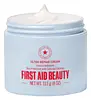
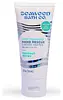
First Aid Beauty Ultra Repair Cream Intense Hydration Versus Seaweed Bath Co. Ultra-Hydrating Hand Rescue
This calming moisturizer is formulated around Colloidal Oatmeal and Squalane to calm redness and hydrate skin.

What's inside
What's inside
 Key Ingredients
Benefits
Concerns
Ingredients Side-by-side
Colloidal Oatmeal 0.5%
Absorbent


Water
Skin ConditioningStearic Acid
Cleansing


Glycerin
Humectant

C12-15 Alkyl Benzoate
AntimicrobialCaprylic/Capric Triglyceride
Masking
Glyceryl Stearate Se
Emulsifying

Glyceryl Stearate
Emollient
Cetearyl Alcohol
Emollient
Dimethicone
Emollient
Squalane
Emollient
Butyrospermum Parkii Butter
Skin Conditioning
Phenoxyethanol
Preservative
Caprylyl Glycol
Emollient
Xanthan Gum
EmulsifyingAllantoin
Skin Conditioning
Sodium Hydroxide
BufferingTetrasodium EDTA
ChelatingChrysanthemum Parthenium Extract
Skin ConditioningCamellia Sinensis Leaf Extract
Antimicrobial



Glycyrrhiza Glabra Root Extract
Bleaching
Ceramide NP
Skin Conditioning
Eucalyptus Globulus Leaf Oil
Perfuming




Colloidal Oatmeal 0.5%, Water, Stearic Acid, Glycerin, C12-15 Alkyl Benzoate, Caprylic/Capric Triglyceride, Glyceryl Stearate Se, Glyceryl Stearate, Cetearyl Alcohol, Dimethicone, Squalane, Butyrospermum Parkii Butter, Phenoxyethanol, Caprylyl Glycol, Xanthan Gum, Allantoin, Sodium Hydroxide, Tetrasodium EDTA, Chrysanthemum Parthenium Extract, Camellia Sinensis Leaf Extract, Glycyrrhiza Glabra Root Extract, Ceramide NP, Eucalyptus Globulus Leaf Oil
Water
Skin ConditioningHelianthus Annuus Seed Oil
Emollient
Ethylhexyl Palmitate
Emollient
Stearyl Alcohol
Emollient
Glyceryl Stearate Citrate
Emollient
Glycerin
Humectant
Cetearyl Olivate
Sorbitan Olivate
Emulsifying
Polyglyceryl-6 Distearate
Emulsifying
Caprylyl Glycol
Emollient
Sorbitan Sesquioleate
Emulsifying
Arnica Montana Flower Extract
Masking
Aloe Barbadensis Leaf Juice
Skin Conditioning
Simmondsia Chinensis Seed Oil
Emollient
Laminaria Digitata Extract
Skin Protecting
Cocos Nucifera Fruit Extract
Emollient
Prunus Amygdalus Dulcis Oil
Skin Conditioning
Lavandula Angustifolia Flower Extract
Cleansing
Chamomilla Recutita Flower Extract
Masking
Cocos Nucifera Water
Masking
Diheptyl Succinate
EmollientCapryloyl Glycerin/Sebacic Acid Copolymer
Skin ConditioningXanthan Gum
EmulsifyingParfum
Masking
Tocopheryl Acetate
Antioxidant
Panthenol
Skin Conditioning
Butyrospermum Parkii Butter
Skin Conditioning
Camellia Sinensis Extract
Antioxidant
1,2-Hexanediol
Skin Conditioning
Allantoin
Skin Conditioning
Water, Helianthus Annuus Seed Oil, Ethylhexyl Palmitate, Stearyl Alcohol, Glyceryl Stearate Citrate, Glycerin, Cetearyl Olivate, Sorbitan Olivate, Polyglyceryl-6 Distearate, Caprylyl Glycol, Sorbitan Sesquioleate, Arnica Montana Flower Extract, Aloe Barbadensis Leaf Juice, Simmondsia Chinensis Seed Oil, Laminaria Digitata Extract, Cocos Nucifera Fruit Extract, Prunus Amygdalus Dulcis Oil, Lavandula Angustifolia Flower Extract, Chamomilla Recutita Flower Extract, Cocos Nucifera Water, Diheptyl Succinate, Capryloyl Glycerin/Sebacic Acid Copolymer, Xanthan Gum, Parfum, Tocopheryl Acetate, Panthenol, Butyrospermum Parkii Butter, Camellia Sinensis Extract, 1,2-Hexanediol, Allantoin
Reviews
Ingredients Explained
These ingredients are found in both products.
Ingredients higher up in an ingredient list are typically present in a larger amount.
Allantoin is a soothing ingredient known for its protective and moisturizing properties; it's basically a quiet workhorse ingredient you can find in a huge range of cosmetics.
Though it can be derived from the comfrey plant, allantoin is produced synthetically for cosmetic products to ensure purity.
Research shows it can encourage your skin cells to turn over and renew by stimulating keratinocyte and fibroblast proliferation.
It also has mild keratolytic properties to help loosen and shed dead skin cells without being harsh.
Studies also suggest allantoin can help calm inflammation by dialing down some of the chemical signals your skin sends out when it is irritated.
This ingredient is typically used in the 0.1-0.5% range, and the FDA recognizes it as a skin protectant in OTC products up to 2%.
Overall, allantoin is a wonderful addition to most routines; it is stable across a wide pH range (~4-8), works well with other ingredients, and is considered non-sensitizing/non-irritating.
Fun fact: Allantoin is naturally occurring in comfrey root, beets, chamomile, and wheat sprouts. Our bodies even produce it as a byproduct of uric acid metabolism.
Learn more about AllantoinThis ingredient is also known as shea butter. It is a plant-derived extract from the nuts of the Africa shea tree and one of the most well-studied emollients.
Because it has a high concentration of fatty acids (primarily oleic, stearic, and linoleic) it is able to form a protective barrier on the skin's surface. This helps seal in moisture and prevents transepidermal water loss (TEWL).
In vitro research found an increase in skin hydration by 58% and a decrease in TEWL by 37.8% after 24 hours of applying this ingredient (pretty impressive for a single ingredient!).
Besides hydration, shea butter also contains triterpenes that have anti-inflammatory potential. In particule, lupeol cinnamate has shown the highest anti-inflammatory activity in vivo.
Shea butter also contains vitamins A and E which may contribute to antioxidant activity.
While Shea Butter has an SPF rating of about 3-4, it is not a sunscreen replacement.
This ingredient may not be fungal acne safe because its fatty acids fall within the C11-C24 range that the Malassezia yeast can metabolize.
This ingredient shows up on a lot of "pore-clogging" lists but there's no real evidence behind that. It doesn't even have a comedogenic rating from an actual study; the numbers you'll find online come from blogs citing other blogs.
Ratings for other ingredients mostly come from a 1980s rabbit ear test. This test doesn't translate well to human skin or to real products because the ingredient sits at a much lower percentage.
Some people still find it breaks them out. So if that's you, definitely trust your skin. Just know this one's based on experience and not evidence.
Learn more about Butyrospermum Parkii ButterCaprylyl Glycol is a humectant, skin conditioner, emollient, and preservative booster derived from either caprylic acid or synthetically created.
Typical use levels vary from 0.3-1% as a preservative booster and go up to 2% to condition skin.
Because it is not a free-fatty acid, this ingredient is fungal acne safe (there's nothing for Malassezia to feed on).
Learn more about Caprylyl GlycolGlycerin (or glycerol) is a compound naturally found in your skin. It's a powerhouse humectant that pulls water into the stratum corneum.
Topically, glycerin does several things at once:
Your skin makes glycerin on its own (mostly from sebaceous oil breakdown) and shuttles it to your outermost layer of skin, or your epidermis, via aquaporin-3.
Aquaporin-3 is a transporter that is essential for normal skin hydration, elasticity, and repair. Interestingly, mice lacking in AQP3 have dry and less elastic skin that can be fully corrected with glycerin.
This ingredient is non-irritating, plays well with almost every ingredient, and works across all skin types. Typical use is anywhere between 3-10% but can go up to 79% in some leave-on products.
Just know very high concentrations (>40%) can feel tacky in low humidity.
Glycerin is the name for this ingredient in American English. British English uses Glycerol/Glycerine.
Learn more about GlycerinWater. It's the most common cosmetic ingredient of all. You'll usually see it at the top of ingredient lists, meaning that it makes up the largest part of the product.
So why is it so popular? Water most often acts as a solvent - this means that it helps dissolve other ingredients into the formulation.
You'll also recognize water as that liquid we all need to stay alive. If you see this, drink a glass of water. Remember to stay hydrated!
Learn more about WaterXanthan gum is used as a stabilizer and thickener within cosmetic products. It helps give products a sticky, thick feeling - preventing them from being too runny.
On the technical side of things, xanthan gum is a polysaccharide - a combination consisting of multiple sugar molecules bonded together.
Xanthan gum is a pretty common and great ingredient. It is a natural, non-toxic, non-irritating ingredient that is also commonly used in food products.
Learn more about Xanthan Gum

