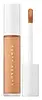
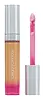
Fenty Beauty Pro Filt'r Instant Retouch Concealer Versus beautyblender Bounce Airbrush Liquid Whip Concealer

What's inside
What's inside
 Key Ingredients
Benefits
Concerns
Ingredients Side-by-side
Water
Skin ConditioningHydrogenated Didecene
Skin ConditioningHydrogenated Polyisobutene
EmollientDisteardimonium Hectorite
StabilisingTrimethylsiloxysilicate
Emollient
Cetyl PEG/PPG-10/1 Dimethicone
Emulsifying
Glycerin
Humectant


Nylon-12


Dimethicone
Emollient
Methicone
Emollient
Sodium Chloride
MaskingAcrylates/Polytrimethylsiloxymethacrylate Copolymer
Skin ConditioningPolymethylsilsesquioxane
Hydrogenated Styrene/Isoprene Copolymer
Hydroxyacetophenone
Antioxidant
Lauryl PEG-8 Dimethicone
Surfactant
Hdi/Trimethylol Hexyllactone Crosspolymer
1,2-Hexanediol
Skin Conditioning
Caprylyl Glycol
Emollient
Tocopheryl Acetate
Antioxidant

Trisodium Ethylenediamine Disuccinate
ChelatingTalc
Abrasive
Lauroyl Lysine
Skin Conditioning
Combretum Fruticosum Flower Nectar
MaskingAlcohol
Antimicrobial




Butylene Glycol
Humectant
Pentaerythrityl Tetra-Di-T-Butyl Hydroxyhydrocinnamate
Antioxidant
Centella Asiatica Leaf Extract
Skin Conditioning


Camellia Sinensis Leaf Extract
Antimicrobial
Titanium Dioxide
Cosmetic Colorant
Iron Oxides
Water, Hydrogenated Didecene, Hydrogenated Polyisobutene, Disteardimonium Hectorite, Trimethylsiloxysilicate, Cetyl PEG/PPG-10/1 Dimethicone, Glycerin, Nylon-12, Dimethicone, Methicone, Sodium Chloride, Acrylates/Polytrimethylsiloxymethacrylate Copolymer, Polymethylsilsesquioxane, Hydrogenated Styrene/Isoprene Copolymer, Hydroxyacetophenone, Lauryl PEG-8 Dimethicone, Hdi/Trimethylol Hexyllactone Crosspolymer, 1,2-Hexanediol, Caprylyl Glycol, Tocopheryl Acetate, Trisodium Ethylenediamine Disuccinate, Talc, Lauroyl Lysine, Combretum Fruticosum Flower Nectar, Alcohol, Butylene Glycol, Pentaerythrityl Tetra-Di-T-Butyl Hydroxyhydrocinnamate, Centella Asiatica Leaf Extract, Camellia Sinensis Leaf Extract, Titanium Dioxide, Iron Oxides
Water
Skin ConditioningDimethicone
Emollient
Trimethylsiloxysilicate
Emollient
Caprylic/Capric Triglyceride
Masking
Cetyl Dimethicone
Emollient
Cetyl Diglyceryl Tris(Trimethylsiloxy)Silylethyl Dimethicone
Emulsion Stabilising
Stearic Acid
Cleansing

Glycerin
Humectant
Glyceryl Stearate
Emollient
Olus Oil
Emollient

Helianthus Annuus Seed Oil
Emollient
Oryza Sativa Bran Wax
Skin Conditioning
Rhus Succedanea Fruit Wax
Tocopheryl Acetate
Antioxidant
Tocopherol
Antioxidant
Tetrahexyldecyl Ascorbate
Antioxidant

Hydrogenated Polyisobutene
EmollientDisteardimonium Hectorite
StabilisingKaolin
Abrasive
Cetyl Alcohol
Emollient
Silica Dimethyl Silylate
EmollientBoron Nitride
Absorbent
Acetyl Tetrapeptide-5
Humectant
Aluminum Dimyristate
Emulsion StabilisingStearyl Alcohol
Emollient
Disodium Stearoyl Glutamate
CleansingPhytantriol
HumectantButylene Glycol
Humectant
Sodium Chloride
MaskingTriethoxycaprylylsilane
Ethylhexylglycerin
Skin ConditioningSodium Hyaluronate
Humectant
Potassium Sorbate
Preservative
Caprylyl Glycol
Emollient
Phenoxyethanol
Preservative
CI 77891
Cosmetic ColorantCI 77492
Cosmetic ColorantCI 77491
Cosmetic ColorantCI 77499
Cosmetic ColorantWater, Dimethicone, Trimethylsiloxysilicate, Caprylic/Capric Triglyceride, Cetyl Dimethicone, Cetyl Diglyceryl Tris(Trimethylsiloxy)Silylethyl Dimethicone, Stearic Acid, Glycerin, Glyceryl Stearate, Olus Oil, Helianthus Annuus Seed Oil, Oryza Sativa Bran Wax, Rhus Succedanea Fruit Wax, Tocopheryl Acetate, Tocopherol, Tetrahexyldecyl Ascorbate, Hydrogenated Polyisobutene, Disteardimonium Hectorite, Kaolin, Cetyl Alcohol, Silica Dimethyl Silylate, Boron Nitride, Acetyl Tetrapeptide-5, Aluminum Dimyristate, Stearyl Alcohol, Disodium Stearoyl Glutamate, Phytantriol, Butylene Glycol, Sodium Chloride, Triethoxycaprylylsilane, Ethylhexylglycerin, Sodium Hyaluronate, Potassium Sorbate, Caprylyl Glycol, Phenoxyethanol, CI 77891, CI 77492, CI 77491, CI 77499
Reviews
Ingredients Explained
These ingredients are found in both products.
Ingredients higher up in an ingredient list are typically present in a larger amount.
Butylene Glycol (or BG) is used within cosmetic products for a few different reasons:
Overall, Butylene Glycol is a safe and well-rounded ingredient that works well with other ingredients.
Though this ingredient works well with most skin types, some people with sensitive skin may experience a reaction such as allergic rashes, closed comedones, or itchiness.
Learn more about Butylene GlycolCaprylyl Glycol is a humectant, skin conditioner, emollient, and preservative booster derived from either caprylic acid or synthetically created.
Typical use levels vary from 0.3-1% as a preservative booster and go up to 2% to condition skin.
Because it is not a free-fatty acid, this ingredient is fungal acne safe (there's nothing for Malassezia to feed on).
Learn more about Caprylyl GlycolDimethicone is a type of synthetic silicone created from natural materials such as quartz. It is also known as polydimethylsiloxane.
What it does:
Dimethicone comes in different viscosities:
Depending on the viscosity, dimethicone has different properties.
Ingredients lists don't always show which type is used, so we recommend reaching out to the brand if you have questions about the viscosity.
This ingredient is unlikely to cause irritation because it does not get absorbed into skin. However, people with silicone allergies should be careful about using this ingredient.
Note: Dimethicone may contribute to pilling. This is because it is not oil or water soluble, so pilling may occur when layered with products. When mixed with heavy oils in a formula, the outcome is also quite greasy.
Learn more about DimethiconeDisteardimonium Hectorite comes from the clay mineral named hectorite. It is used to add thickness to a product.
It can also help stabilize a product by helping to disperse other ingredients.
Hectorite is a rare, white clay mineral.
Learn more about Disteardimonium HectoriteGlycerin (or glycerol) is a compound naturally found in your skin. It's a powerhouse humectant that pulls water into the stratum corneum.
Topically, glycerin does several things at once:
Your skin makes glycerin on its own (mostly from sebaceous oil breakdown) and shuttles it to your outermost layer of skin, or your epidermis, via aquaporin-3.
Aquaporin-3 is a transporter that is essential for normal skin hydration, elasticity, and repair. Interestingly, mice lacking in AQP3 have dry and less elastic skin that can be fully corrected with glycerin.
This ingredient is non-irritating, plays well with almost every ingredient, and works across all skin types. Typical use is anywhere between 3-10% but can go up to 79% in some leave-on products.
Just know very high concentrations (>40%) can feel tacky in low humidity.
Glycerin is the name for this ingredient in American English. British English uses Glycerol/Glycerine.
Learn more about GlycerinHydrogenated Polyisobutene is a synthetic polymer. Polymers are compounds with high molecular weight. Hydrogenated Polyisobutene is an emollient and texture enhancer.
In one study, Hydrogenated Polyisobutene showed better skin hydration levels than Caprylic/Capric Triglyceride. As an emollient, it helps keep your skin soft and hydrated by trapping moisture in.
Hydrogenated Polyisobutene is often used as a mineral oil replacement.
Learn more about Hydrogenated PolyisobuteneChances are, you eat sodium chloride every day. Sodium Chloride is also known as table salt. This ingredient has many purposes in skincare: thickener, emulsifier, and exfoliator.
You'll most likely find this ingredient in cleansers where it is used to create a gel-like texture. As an emulsifier, it also prevents ingredients from separating.
You might see people debate whether Sodium Chloride is comedogenic, but there actually haven't been any comedogenic tests done on it. Either way, the overall formulation of a product matters a lot more than any single ingredient.
You might see this ingredient used in scrubs as a primary exfoliating ingredient.
Learn more about Sodium ChlorideTocopheryl Acetate is a stable, shelf-friendly form of vitamin E.
Formulators love it because plain vitamin E oxidizes quickly once it hits air. This acetate version stays stable and resists going off, helping to extend a product's shelf life.
It's actually inactive on its own and works like a slow-release "storage" form; the enzymes in your skin called esterases gradually convert it into active vitamin E over time.
One in vivo study showed 5% of the acetate in the living layer of the epidermis converted to vitamin E after 5 days of application. This study also found the skin gained protection against UV damage even though the conversion was slow and small.
Once converted, vitamin E acts as a skin's main fat-soluble antioxidant that fights free radicals to protect skin from damage.
Topical vitamin E generally boosts the skin's photoprotection, and it reduced UV-damage in animal models.
This ingredient has some brightening potential but it's more of a prevention ingredient than spot-fader. Cell studies show it can slow down melanin production but it's worth noting that it's not the most powerful brightener out there.
Overall, it has a pretty solid safety profile and has been found to be non-irritating and non-comedogenic. Allergic reactions may happen but stay rare due to how widely the ingredient gets used.
The concentration will vary depending on the formula; industry data shows 0.1% in baby lotions, 3% in lipsticks, and 5% in foot powders. You can also find this ingredient at 100% in a pure vitamin E oil.
Most leave-on skincare keeps it at the lower end, often between 0.5-1%.
Learn more about Tocopheryl AcetateThis silicone is an emollient. Emollients create a thin film on the skin to prevent moisture from escaping.
It is not soluble in water and helps increase water-resistance in products.
According to a manufacturer, it can blend seamlessly with silicone oils, such as Cyclopentasiloxane.
Learn more about TrimethylsiloxysilicateWater. It's the most common cosmetic ingredient of all. You'll usually see it at the top of ingredient lists, meaning that it makes up the largest part of the product.
So why is it so popular? Water most often acts as a solvent - this means that it helps dissolve other ingredients into the formulation.
You'll also recognize water as that liquid we all need to stay alive. If you see this, drink a glass of water. Remember to stay hydrated!
Learn more about Water

