
What's inside
What's inside
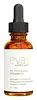 Key Ingredients
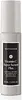
Benefits
Concerns
Ingredients Side-by-side
Herbal Infusion
Aloe Barbadensis Leaf
Masking


Sodium Ascorbyl Phosphate
Antioxidant





Dimethyl Sulfone
SolventCassia Angustifolia Seed Polysaccharide
Skin ConditioningNiacinamide
Smoothing





Retinol
Skin Conditioning

Olea Europaea Fruit Oil
Masking


Squalene
Emollient
Capryloyl Salicylic Acid
Exfoliating
Rosa Canina Fruit Oil
Emollient
Carbomer
Emulsion StabilisingArginine
Masking
Melaleuca Alternifolia Leaf Oil
Antioxidant

Lavandula Angustifolia Oil
Masking

Cananga Odorata Flower Oil
Masking
Phenoxyethanol
Preservative
Ethylhexylglycerin
Skin ConditioningHerbal Infusion, Aloe Barbadensis Leaf, Sodium Ascorbyl Phosphate, Dimethyl Sulfone, Cassia Angustifolia Seed Polysaccharide, Niacinamide, Retinol, Olea Europaea Fruit Oil, Squalene, Capryloyl Salicylic Acid, Rosa Canina Fruit Oil, Carbomer, Arginine, Melaleuca Alternifolia Leaf Oil, Lavandula Angustifolia Oil, Cananga Odorata Flower Oil, Phenoxyethanol, Ethylhexylglycerin
Water
Skin ConditioningNiacinamide
Smoothing
Propanediol
Solvent
Glycerin
Humectant
Ascorbic Acid
Antioxidant
Glutathione
Aloe Barbadensis Leaf Juice
Skin Conditioning
Retinol
Skin Conditioning
Sodium Hyaluronate
Humectant
Caprylyl Glycol
Emollient
Hydroxyethylcellulose
Emulsion StabilisingCarbomer
Emulsion StabilisingSalicylic Acid
Masking

Tocopheryl Acetate
Antioxidant
Humulus Lupulus Extract
AntimicrobialGlyceryl Polyacrylate
Potassium Sorbate
Preservative
Copernicia Cerifera Wax
Hexylene Glycol
EmulsifyingSorbitol
Humectant
Sodium Hydroxide
BufferingSorbitan Oleate
Emulsifying
Acrylamide/Sodium Acryloyldimethyltaurate Copolymer
Emulsion StabilisingHelianthus Annuus Seed Oil
Emollient
Phenoxyethanol
Preservative
Isohexadecane
EmollientPolysorbate 80
Emulsifying
Polysorbate 20
Emulsifying
1,2-Hexanediol
Skin Conditioning
Amylopectin
Dextrin
AbsorbentPolydextrose
HumectantDisodium Cocoamphodiacetate
CleansingXanthan Gum
EmulsifyingTocopherol
Antioxidant
Citric Acid
Buffering
Sodium Benzoate
Masking
Disodium Phosphate
BufferingGold
Cosmetic ColorantPolysorbate 60
Emulsifying
Ethyl Ferulate
Antioxidant
Sodium Phosphate
BufferingWater, Niacinamide, Propanediol, Glycerin, Ascorbic Acid, Glutathione, Aloe Barbadensis Leaf Juice, Retinol, Sodium Hyaluronate, Caprylyl Glycol, Hydroxyethylcellulose, Carbomer, Salicylic Acid, Tocopheryl Acetate, Humulus Lupulus Extract, Glyceryl Polyacrylate, Potassium Sorbate, Copernicia Cerifera Wax, Hexylene Glycol, Sorbitol, Sodium Hydroxide, Sorbitan Oleate, Acrylamide/Sodium Acryloyldimethyltaurate Copolymer, Helianthus Annuus Seed Oil, Phenoxyethanol, Isohexadecane, Polysorbate 80, Polysorbate 20, 1,2-Hexanediol, Amylopectin, Dextrin, Polydextrose, Disodium Cocoamphodiacetate, Xanthan Gum, Tocopherol, Citric Acid, Sodium Benzoate, Disodium Phosphate, Gold, Polysorbate 60, Ethyl Ferulate, Sodium Phosphate
Reviews
Ingredients Explained
These ingredients are found in both products.
Ingredients higher up in an ingredient list are typically present in a larger amount.
Carbomer is a high-molecular weight polymer of acrylic acid. It is used to form gels and thicken formulas.
Due to its large molecular size, carbomer has minimal skin penetration and is considered an inert ingredient.
A high amount of carbomer can cause pilling or balling up of products. Don't worry, most products contain 1% or less of carbomer.
Learn more about CarbomerNiacinamide is a multitasking form of vitamin B3 that strengthens the skin barrier, reduces pores and dark spots, regulates oil, and improves signs of aging.
And the best part? It's gentle and well-tolerated by most skin types, including sensitive and reactive skin.
You might have heard of "niacin flush", or the reddening of skin that causes itchiness. Niacinamide has not been found to cause this.
In very rare cases, some individuals may not be able to tolerate niacinamide at all or experience an allergic reaction to it.
If you are experiencing flaking, irritation, and dryness with this ingredient, be sure to double check all your products as this ingredient can be found in all categories of skincare.
When incorporating niacinamide into your routine, look out for concentration amounts. Typically, 5% niacinamide provides benefits such as fading dark spots. However, if you have sensitive skin, it is better to begin with a smaller concentration.
When you apply niacinamide to your skin, your body converts it into nicotinamide adenine dinucleotide (NAD). NAD is an essential coenzyme that is already found in your cells as "fuel" and powers countless biological processes.
In your skin, NAD helps repair cell damage, produce new healthy cells, support collagen production, strengthen the skin barrier, and fight environmental stressors (like UV and pollution).
Our natural NAD levels start to decline with age, leading to slower skin repair, visible aging, and a weaker skin barrier. By providing your skin niacinamide, you're recharging your skin's NAD levels. This leads to stronger, healthier, and younger looking skin.
Another name for vitamin B3 is nicotinamide. This vitamin is water-soluble and our bodies don't store it. We obtain Vitamin B3 from either food or skincare. Meat, fish, wheat, yeast, and leafy greens contain vitamin B3.
The type of niacinamide used in skincare is synthetically created.
Learn more about NiacinamidePhenoxyethanol is a preservative that has germicide, antimicrobial, and aromatic properties. Studies show that phenoxyethanol can prevent microbial growth. By itself, it has a scent that is similar to that of a rose.
It's often used in formulations along with Caprylyl Glycol to preserve the shelf life of products.
Retinol is a gold-standard ingredient for anti-aging. It is a form of Vitamin A and belongs to the class of retinoids that also includes tretinoin.
Why is retinol famous?
It has the most scientific studies backing up its skin benefits out of all the non-prescription ingredients.
Retinol is proven to:
This is why retinol is effective at removing wrinkles, fading dark spots, treating acne, and reducing the appearance of pores.
Studies show retinol is less effective when exposed to UV. Be sure to look for appropriate packaging to keep your retinol potent (similar to Vitamin C).
Using retinol or any retinoids will increase sun-sensitivity in the first few months. Though studies show retinoids increase your skin's natural SPF with continuous use, it is best to always wear sunscreen and sun-protection.
We recommend speaking with a medical professional about using this ingredient during pregnancy.
Retinol may cause irritation in some people, so be sure to patch test. Experts recommend 'ramping up' retinol use: start using this ingredient once a week and work up to using it daily.
Read about Tretinoin
Learn more about Retinol
