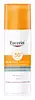
This chemical sunscreen covers the full UV range and blocks ~98% of UVB at SPF 50.
This chemical sunscreen covers the full UV range and blocks ~98% of UVB at SPF 50.


What's inside
What's inside
 Key Ingredients
Benefits
Concerns
Ingredients Side-by-side
Water
Skin ConditioningAlcohol Denat.
Antimicrobial




Butylene Glycol Dicaprylate/Dicaprate
EmollientC12-15 Alkyl Benzoate
AntimicrobialButyl Methoxydibenzoylmethane
UV Absorber
Dibutyl Adipate
EmollientBis-Ethylhexyloxyphenol Methoxyphenyl Triazine
UV Absorber
Silica
Abrasive


Ethylhexyl Triazone
UV Absorber
Phenylbenzimidazole Sulfonic Acid
UV Absorber
Diethylamino Hydroxybenzoyl Hexyl Benzoate
UV Filter
Cetearyl Alcohol
Emollient




Behenyl Alcohol
Emollient
Silica Dimethyl Silylate
EmollientCopernicia Cerifera Cera
Emollient
Glycyrrhetinic Acid
Skin Conditioning
Glycyrrhiza Inflata Root Extract
Skin Conditioning
Carnitine
Cleansing
Glycerin
Humectant


Dimethicone
Emollient
Xanthan Gum
EmulsifyingCarrageenan
Sodium Chloride
MaskingSodium Stearoyl Glutamate
CleansingHydroxypropyl Methylcellulose
Emulsion StabilisingSodium Hydroxide
BufferingTrisodium EDTA
ChelatingPhenoxyethanol
Preservative
Decylene Glycol
Skin ConditioningEthylhexylglycerin
Skin ConditioningHydroxyacetophenone
Antioxidant
Water, Alcohol Denat., Butylene Glycol Dicaprylate/Dicaprate, C12-15 Alkyl Benzoate, Butyl Methoxydibenzoylmethane, Dibutyl Adipate, Bis-Ethylhexyloxyphenol Methoxyphenyl Triazine, Silica, Ethylhexyl Triazone, Phenylbenzimidazole Sulfonic Acid, Diethylamino Hydroxybenzoyl Hexyl Benzoate, Cetearyl Alcohol, Behenyl Alcohol, Silica Dimethyl Silylate, Copernicia Cerifera Cera, Glycyrrhetinic Acid, Glycyrrhiza Inflata Root Extract, Carnitine, Glycerin, Dimethicone, Xanthan Gum, Carrageenan, Sodium Chloride, Sodium Stearoyl Glutamate, Hydroxypropyl Methylcellulose, Sodium Hydroxide, Trisodium EDTA, Phenoxyethanol, Decylene Glycol, Ethylhexylglycerin, Hydroxyacetophenone
Ethylhexyl Methoxycinnamate 10%
UV Absorber
Bis-Ethylhexyloxyphenol Methoxyphenyl Triazine 3%
UV Absorber
Methylene Bis-Benzotriazolyl Tetramethylbutylphenol 2.5%
UV Filter
Water
Skin ConditioningIsostearyl Neopentanoate
Emollient
Cyclopentasiloxane
Emollient
Alcohol
Antimicrobial
Cyclohexasiloxane
Emollient
Glycerin
Humectant
Butylene Glycol
Humectant
Dimethicone
Emollient
Cetearyl Alcohol
Emollient
Hydroxyethyl Acrylate/Sodium Acryloyldimethyl Taurate Copolymer
Emulsion StabilisingNylon 6/12
AbsorbentCeteareth-20
Cleansing
Squalane
Emollient
Caprylyl Glycol
Emollient
PEG-40 Stearate
Emulsifying
Silica
Abrasive
Saccharide Isomerate
Humectant
Decyl Glucoside
Cleansing
Tocopheryl Acetate
Antioxidant

Disodium EDTA
ChelatingPolysorbate 60
Emulsifying
Caprylhydroxamic Acid
ChelatingPentylene Glycol
Skin Conditioning
Parfum
Masking

Triethanolamine
BufferingTerminalia Ferdinandiana Fruit Extract
Antioxidant
Propylene Glycol
Humectant
Xanthan Gum
EmulsifyingCitric Acid
Buffering
Sodium Chloride
MaskingCarnosine
Skin Conditioning
CI 77492
Cosmetic ColorantCI 77491
Cosmetic ColorantCI 77499
Cosmetic ColorantEthylhexyl Methoxycinnamate 10%, Bis-Ethylhexyloxyphenol Methoxyphenyl Triazine 3%, Methylene Bis-Benzotriazolyl Tetramethylbutylphenol 2.5%, Water, Isostearyl Neopentanoate, Cyclopentasiloxane, Alcohol, Cyclohexasiloxane, Glycerin, Butylene Glycol, Dimethicone, Cetearyl Alcohol, Hydroxyethyl Acrylate/Sodium Acryloyldimethyl Taurate Copolymer, Nylon 6/12, Ceteareth-20, Squalane, Caprylyl Glycol, PEG-40 Stearate, Silica, Saccharide Isomerate, Decyl Glucoside, Tocopheryl Acetate, Disodium EDTA, Polysorbate 60, Caprylhydroxamic Acid, Pentylene Glycol, Parfum, Triethanolamine, Terminalia Ferdinandiana Fruit Extract, Propylene Glycol, Xanthan Gum, Citric Acid, Sodium Chloride, Carnosine, CI 77492, CI 77491, CI 77499
Reviews
Ingredients Explained
These ingredients are found in both products.
Ingredients higher up in an ingredient list are typically present in a larger amount.
This ingredient is better known as bemotrizinol or Tinosorb S and is one of the best broad-spectrum UV filters in modern sunscreen.
It works by absorbing UV light across a whole range (280-400 nm) with peaks around 310 nm (UVB) and 340-345 nm (UVA). This means it covers UVB plus the deeper UVA wavelengths that drive photoaging and pigmentation.
Another pro?
It's exceptionally photostable, barely degrades in sunlight, and acts as a "bodyguard" for less stable filters.
That's why you'll see it paired with avobenzone or octinoxate; this team up ensures they keep working through sun exposure.
Safety reviews have been reassuring across the board. This ingredient shows low absorption through the skin, rarely irritates, and lab studies found it doesn't act like a hormone in the body (a concern that's been raised about some older sunscreen filters).
On maximum concentrations:
In 2026, the US F.D.A finally added it as an OTC sunscreen ingredient at concentrations up to 6% for adults / children 6 months and older
Learn more about Bis-Ethylhexyloxyphenol Methoxyphenyl TriazineCetearyl alcohol is a waxy mixture of two fatty alcohols: cetyl alcohol and stearyl alcohol. It is an emollient and emulsifier.
Despite having "alcohol" in its name, it has nothing to do with drying solvent alcohols; the FDA also allows "alcohol-free" products to contain fatty alcohols like this ingredient.
It plays several roles in a formula:
Typical use levels for this ingredient sit around 1-10% and the Cosmetic Ingredient Review Expert Panel has affirmed safety at concentrations up to 25% in leave-on products.
Multiple assessments have found it to be non-irritating and non-sensitizing to most people.
However, there have been some cases of allergic contact dermatitis in patients with chronically compromised skin barriers.
Cetearyl alcohol has a comedogenic rating of 2 and irritancy rating of 1. Both of these numbers come from the 1989 study that used rabbit ears; a "2" means mildly comedogenic and a "1" means low irritancy.
Here's the catch: rabbit skin is more sensitive than human skin and throws a lot of false positives. A 1996 reappraisal found that ingredients rated 1-2 in the rabbit ear tests are generally safe for humans.
Remember comedogenic ratings are unable to assess the entire formula of a product or how it will react on your skin. Just be sure to patch test if you are unsure about certain ingredients.
This ingredient is not fungal acne safe. Cetearyl alcohol is a fatty alcohol with chain lengths that fall within the range that Malassezia can metabolize.
A 2019 study has also observed Malassezia growth in the presence of this ingredient, confirming it to be not-fungal acne safe.
Learn more about Cetearyl AlcoholDimethicone is a type of synthetic silicone created from natural materials such as quartz. It is also known as polydimethylsiloxane.
What it does:
Dimethicone comes in different viscosities:
Depending on the viscosity, dimethicone has different properties.
Ingredients lists don't always show which type is used, so we recommend reaching out to the brand if you have questions about the viscosity.
This ingredient is unlikely to cause irritation because it does not get absorbed into skin. However, people with silicone allergies should be careful about using this ingredient.
Note: Dimethicone may contribute to pilling. This is because it is not oil or water soluble, so pilling may occur when layered with products. When mixed with heavy oils in a formula, the outcome is also quite greasy.
Learn more about DimethiconeGlycerin (or glycerol) is a compound naturally found in your skin. It's a powerhouse humectant that pulls water into the stratum corneum.
Topically, glycerin does several things at once:
Your skin makes glycerin on its own (mostly from sebaceous oil breakdown) and shuttles it to your outermost layer of skin, or your epidermis, via aquaporin-3.
Aquaporin-3 is a transporter that is essential for normal skin hydration, elasticity, and repair. Interestingly, mice lacking in AQP3 have dry and less elastic skin that can be fully corrected with glycerin.
This ingredient is non-irritating, plays well with almost every ingredient, and works across all skin types. Typical use is anywhere between 3-10% but can go up to 79% in some leave-on products.
Just know very high concentrations (>40%) can feel tacky in low humidity.
Glycerin is the name for this ingredient in American English. British English uses Glycerol/Glycerine.
Learn more about GlycerinSilica, also known as silicon dioxide, is a naturally occurring mineral. It is used as a fine, spherical, and porous powder in cosmetics.
Though it has exfoliant properties, the function of silica varies depending on the product.
The unique structure of silica enhances the spreadability and adds smoothness, making it a great texture enhancer.
It is also used as an active carrier, emulsifier, and mattifier due to its ability to absorb excess oil.
In some products, tiny microneedles called spicules are made from silica or hydrolyzed sponge. When you rub them in, they lightly polish away dead skin layers and enhance the penetration of active ingredients.
Learn more about SilicaChances are, you eat sodium chloride every day. Sodium Chloride is also known as table salt. This ingredient has many purposes in skincare: thickener, emulsifier, and exfoliator.
You'll most likely find this ingredient in cleansers where it is used to create a gel-like texture. As an emulsifier, it also prevents ingredients from separating.
You might see people debate whether Sodium Chloride is comedogenic, but there actually haven't been any comedogenic tests done on it. Either way, the overall formulation of a product matters a lot more than any single ingredient.
You might see this ingredient used in scrubs as a primary exfoliating ingredient.
Learn more about Sodium ChlorideWater. It's the most common cosmetic ingredient of all. You'll usually see it at the top of ingredient lists, meaning that it makes up the largest part of the product.
So why is it so popular? Water most often acts as a solvent - this means that it helps dissolve other ingredients into the formulation.
You'll also recognize water as that liquid we all need to stay alive. If you see this, drink a glass of water. Remember to stay hydrated!
Learn more about WaterXanthan gum is used as a stabilizer and thickener within cosmetic products. It helps give products a sticky, thick feeling - preventing them from being too runny.
On the technical side of things, xanthan gum is a polysaccharide - a combination consisting of multiple sugar molecules bonded together.
Xanthan gum is a pretty common and great ingredient. It is a natural, non-toxic, non-irritating ingredient that is also commonly used in food products.
Learn more about Xanthan Gum

