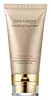
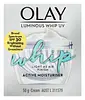
Estée Lauder Revitalizing Supreme+ Global Anti-Aging Instant Refinishing Facial Versus Olay Regenerist Luminous Whip UV Active Moisturiser SPF 30
This anti-aging exfoliator is formulated around Acetyl Glucosamine and Acetyl Hexapeptide-8 to soften the look of wrinkles.
This oil-control day moisturizer is formulated around Niacinamide and Panthenol to balance excess oil and brighten dull-looking skin.

What's inside
What's inside
 Key Ingredients
Benefits
Concerns
Ingredients Side-by-side
Tridecyl Stearate
Emollient

Tridecyl Trimellitate
EmollientDipentaerythrityl Hexacaprylate/Hexacaprate
EmulsifyingButylene Glycol
Humectant

Glyceryl Stearate
Emollient
Cocos Nucifera Oil
Masking





Silica
Abrasive


Caprylic/Capric Triglyceride
Masking
Acetyl Glucosamine
Skin Conditioning


Cetearyl Alcohol
Emollient
Ceteareth-20
Cleansing
Hexyldecyl Stearate
EmollientMoringa Oleifera Seed Extract
Skin Conditioning
Opuntia Tuna Fruit Extract
Skin ConditioningLaminaria Digitata Extract
Skin Protecting
Whey Protein
Skin ConditioningAlgae Extract
Emollient
Disodium Cocoamphodipropionate
CleansingCaprylyl Glycol
Emollient
Sorbitol
Humectant
Artemia Extract
Skin ConditioningAcetyl Hexapeptide-8
Humectant
Bisabolol
Antioxidant


Caffeine
Skin Conditioning
Glycerin
Humectant
Sodium Hyaluronate
Humectant
Stearyl Alcohol
Emollient
Oleth-10 Phosphate
SurfactantParfum
Masking

Carbomer
Emulsion Stabilising1,2-Hexanediol
Skin Conditioning
Isoceteth-20
EmulsifyingTriethanolamine
BufferingPotassium Sorbate
Preservative
Disodium EDTA
ChelatingChlorphenesin
Antimicrobial
Phenoxyethanol
Preservative
CI 19140
Cosmetic ColorantCI 14700
Cosmetic ColorantTridecyl Stearate, Tridecyl Trimellitate, Dipentaerythrityl Hexacaprylate/Hexacaprate, Butylene Glycol, Glyceryl Stearate, Cocos Nucifera Oil, Silica, Caprylic/Capric Triglyceride, Acetyl Glucosamine, Cetearyl Alcohol, Ceteareth-20, Hexyldecyl Stearate, Moringa Oleifera Seed Extract, Opuntia Tuna Fruit Extract, Laminaria Digitata Extract, Whey Protein, Algae Extract, Disodium Cocoamphodipropionate, Caprylyl Glycol, Sorbitol, Artemia Extract, Acetyl Hexapeptide-8, Bisabolol, Caffeine, Glycerin, Sodium Hyaluronate, Stearyl Alcohol, Oleth-10 Phosphate, Parfum, Carbomer, 1,2-Hexanediol, Isoceteth-20, Triethanolamine, Potassium Sorbate, Disodium EDTA, Chlorphenesin, Phenoxyethanol, CI 19140, CI 14700
Water
Skin ConditioningVinyl Dimethicone/Methicone Silsesquioxane Crosspolymer

Glycerin
Humectant
Niacinamide
Smoothing


Isohexadecane
EmollientIsopropyl Isostearate
Emollient
Panthenol
Skin Conditioning
Camellia Sinensis Leaf Extract
Antimicrobial
Zinc Gluconate
Skin Conditioning
Magnesium Aspartate
Skin ConditioningCopper Gluconate
Skin Conditioning
BHT
Antioxidant
Inositol
Humectant
Dimethicone
Emollient
Caprylyl Glycol
Emollient
Dimethiconol
Emollient
Cetearyl Glucoside
Emulsifying
Cetearyl Alcohol
Emollient
Stearic Acid
Cleansing
Palmitic Acid
Emollient
Stearyl Alcohol
Emollient
Cetyl Alcohol
Emollient
Behenyl Alcohol
Emollient
Arachidyl Alcohol
Emollient
Disodium EDTA
ChelatingPEG-100 Stearate
Surfactant
Sodium Polyacrylate Starch
Absorbent1,2-Hexanediol
Skin Conditioning
Phenoxyethanol
Preservative
Benzyl Alcohol
Perfuming

Methylparaben
Preservative

Parfum
Masking
Hexyl Cinnamal
Perfuming
Linalool
Perfuming
Hydroxycitronellal
Perfuming
Alpha-Isomethyl Ionone
Perfuming
Caramel
Cosmetic ColorantWater, Vinyl Dimethicone/Methicone Silsesquioxane Crosspolymer, Glycerin, Niacinamide, Isohexadecane, Isopropyl Isostearate, Panthenol, Camellia Sinensis Leaf Extract, Zinc Gluconate, Magnesium Aspartate, Copper Gluconate, BHT, Inositol, Dimethicone, Caprylyl Glycol, Dimethiconol, Cetearyl Glucoside, Cetearyl Alcohol, Stearic Acid, Palmitic Acid, Stearyl Alcohol, Cetyl Alcohol, Behenyl Alcohol, Arachidyl Alcohol, Disodium EDTA, PEG-100 Stearate, Sodium Polyacrylate Starch, 1,2-Hexanediol, Phenoxyethanol, Benzyl Alcohol, Methylparaben, Parfum, Hexyl Cinnamal, Linalool, Hydroxycitronellal, Alpha-Isomethyl Ionone, Caramel
Ingredients Explained
These ingredients are found in both products.
Ingredients higher up in an ingredient list are typically present in a larger amount.
1,2-Hexanediol is a synthetic liquid and another multi-functional powerhouse.
It is a:
- Humectant, drawing moisture into the skin
- Emollient, helping to soften skin
- Solvent, dispersing and stabilizing formulas
- Preservative booster, enhancing the antimicrobial activity of other preservatives
Caprylyl Glycol is a humectant, skin conditioner, emollient, and preservative booster derived from either caprylic acid or synthetically created.
Typical use levels vary from 0.3-1% as a preservative booster and go up to 2% to condition skin.
Because it is not a free-fatty acid, this ingredient is fungal acne safe (there's nothing for Malassezia to feed on).
Learn more about Caprylyl GlycolCetearyl alcohol is a waxy mixture of two fatty alcohols: cetyl alcohol and stearyl alcohol. It is an emollient and emulsifier.
Despite having "alcohol" in its name, it has nothing to do with drying solvent alcohols; the FDA also allows "alcohol-free" products to contain fatty alcohols like this ingredient.
It plays several roles in a formula:
Typical use levels for this ingredient sit around 1-10% and the Cosmetic Ingredient Review Expert Panel has affirmed safety at concentrations up to 25% in leave-on products.
Multiple assessments have found it to be non-irritating and non-sensitizing to most people.
However, there have been some cases of allergic contact dermatitis in patients with chronically compromised skin barriers.
Cetearyl alcohol has a comedogenic rating of 2 and irritancy rating of 1. Both of these numbers come from the 1989 study that used rabbit ears; a "2" means mildly comedogenic and a "1" means low irritancy.
Here's the catch: rabbit skin is more sensitive than human skin and throws a lot of false positives. A 1996 reappraisal found that ingredients rated 1-2 in the rabbit ear tests are generally safe for humans.
Remember comedogenic ratings are unable to assess the entire formula of a product or how it will react on your skin. Just be sure to patch test if you are unsure about certain ingredients.
This ingredient is not fungal acne safe. Cetearyl alcohol is a fatty alcohol with chain lengths that fall within the range that Malassezia can metabolize.
A 2019 study has also observed Malassezia growth in the presence of this ingredient, confirming it to be not-fungal acne safe.
Learn more about Cetearyl AlcoholDisodium EDTA is a chelating agent. It grabs onto and deactivates metal ions that sneak into your products from water, packaging, or air.
This ingredient mainly works behind the scenes and helps with:
On top of that, this ingredient can counteract the effects of hard water by binding to the minerals in it.
One thing worth knowing is that Disodium EDTA has been shown to be a mild penetration enhancer. It can help other ingredients absorb into skin more effectively which can be a double-edged sword (great for actives, but can also make the active too strong if you have sensitive skin).
Clinical patch testing showed no significant skin irritation at typical use concentrations and minimal dermal absorption.
You'll most likely see this ingredient near the end of an ingredient list. It's typically found in concentrations less than 1%.
Learn more about Disodium EDTAGlycerin (or glycerol) is a compound naturally found in your skin. It's a powerhouse humectant that pulls water into the stratum corneum.
Topically, glycerin does several things at once:
Your skin makes glycerin on its own (mostly from sebaceous oil breakdown) and shuttles it to your outermost layer of skin, or your epidermis, via aquaporin-3.
Aquaporin-3 is a transporter that is essential for normal skin hydration, elasticity, and repair. Interestingly, mice lacking in AQP3 have dry and less elastic skin that can be fully corrected with glycerin.
This ingredient is non-irritating, plays well with almost every ingredient, and works across all skin types. Typical use is anywhere between 3-10% but can go up to 79% in some leave-on products.
Just know very high concentrations (>40%) can feel tacky in low humidity.
Glycerin is the name for this ingredient in American English. British English uses Glycerol/Glycerine.
Learn more about GlycerinParfum is a catch-all term for an ingredient or more that is used to give a scent to products.
Also called "fragrance", this ingredient can be a blend of hundreds of chemicals or plant oils. This means every product with "fragrance" or "parfum" in the ingredients list is a different mixture.
For instance, Habanolide is a proprietary trade name for a specific aroma chemical. When used as a fragrance ingredient in cosmetics, most aroma chemicals fall under the broad labeling category of “FRAGRANCE” or “PARFUM” according to EU and US regulations.
The term 'parfum' or 'fragrance' is not regulated in many countries. In many cases, it is up to the brand to define this term.
For instance, many brands choose to label themselves as "fragrance-free" because they are not using synthetic fragrances. However, their products may still contain ingredients such as essential oils that are considered a fragrance by INCI standards.
One example is Calendula flower extract. Calendula is an essential oil that still imparts a scent or 'fragrance'.
Depending on the blend, the ingredients in the mixture can cause allergies and sensitivities on the skin. Some ingredients that are known EU allergens include linalool and citronellol.
Parfum can also be used to mask or cover an unpleasant scent.
The bottom line is: not all fragrances/parfum/ingredients are created equally. If you are worried about fragrances, we recommend taking a closer look at an ingredient. And of course, we always recommend speaking with a professional.
Learn more about ParfumPhenoxyethanol is one of the most widely used preservatives in skincare (and for good reason!).
It has a large spectrum of antimicrobial activity and especially effective bacteria, yeast, and mold while only having a weak effect on your skin's natural microbiome.
On a cellular level, it disrupts the cell membranes of microbes by poking holes that make the cell leak. This shuts down the chemical reactions the microbe needs to make energy so it can no longer survive.
Another perk of this ingredient is that it stays functional across a wide pH range (3-10).
You'll often see it paired with boosters like Ethylhexylglycerin; one study showed that a 1:9 ratio of Ethylhexylglycerin to Phenoxyethanol damages bacterial membranes as effectively as doubling the Phenoxyethanol concentration on its own.
Typical use concentrations range from 0.3-1% depending on the formula, and this ingredient is capped at 1% int the EU.
Safety-wise, the fear mongering does not hold up to the evidence. The EU's Scientific Committee on Consumer Safety and FDA consider it safe as a preservative at up to 1%, including for children of all ages.
Adverse systemic effects only showed up in animal studies at exposures roughly 200x higher than what people get from cosmetics. And despite its very widespread use, this ingredient is a rare sensitizer and allergic reactions are uncommon.
Learn more about PhenoxyethanolStearyl Alcohol is a type of fatty alcohol from stearic acid. It is a white, waxy compound used to emulsify ingredients used as an emollient or to thicken a product.
Emollients help soothe and hydrate the skin by trapping moisture.
Fatty alcohols are usually derived from natural fats and oils and therefore do not have the same drying or irritating effect as solvent (ethanol) alcohols.
The FDA allows products labeled "alcohol-free" to have fatty alcohols.
This ingredient may not be fungal acne safe. It is a primary fatty alcohol with a chain length above 12 carbons. A study from 2019 show Malassezia can feed on fatty alcohols in this range, so it may trigger fungal acne in those prone to it.
Learn more about Stearyl Alcohol

