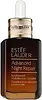
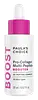
Estée Lauder Advanced Night Repair Synchronized Multi-Recovery Complex Serum Versus Paula's Choice Pro-Collagen Multi-Peptide Booster
This barrier-repair serum is formulated around Bifida Ferment Lysate and Sodium Hyaluronate to strengthen the skin barrier and soften the look of wrinkles.

What's inside
What's inside
 Key Ingredients
Benefits
Concerns
Ingredients Side-by-side
Water
Skin ConditioningBifida Ferment Lysate
Skin Conditioning



PEG-8
HumectantPropanediol
Solvent
Bis-PEG-18 Methyl Ether Dimethyl Silane
EmollientMethyl Gluceth-20
Humectant
Glycereth-26
Humectant
PEG-75
HumectantButylene Glycol
Humectant
Adansonia Digitata Seed Extract
Skin ConditioningTripeptide-32
Skin Conditioning
Sodium Hyaluronate
Humectant

Faex Extract
Skin ConditioningLactobacillus Ferment
Skin Conditioning
Cola Acuminata Seed Extract
Skin ConditioningAnthemis Nobilis Flower Extract
Masking
Hydrolyzed Algin
Pantethine
EmollientCaffeine
Skin Conditioning
Lecithin
Emollient
Sodium Rna
Skin ConditioningBisabolol
Antioxidant

Squalane
Emollient
Glycerin
Humectant
Oleth-3 Phosphate
SurfactantCaprylyl Glycol
Emollient
Oleth-3
Emulsifying


Oleth-5
Emulsifying
Choleth-24
EmulsifyingHydrogenated Lecithin
Emulsifying
Jojoba Wax PEG-120 Esters
Surfactant

Ceteth-24
CleansingTocopheryl Acetate
Antioxidant

Carbomer
Emulsion StabilisingTriethanolamine
BufferingTetrasodium EDTA
BHT
Antioxidant
Xanthan Gum
EmulsifyingPotassium Sorbate
Preservative
Disodium EDTA
Phenoxyethanol
Preservative
CI 14700
Cosmetic ColorantCI 19140
Cosmetic ColorantWater, Bifida Ferment Lysate, PEG-8, Propanediol, Bis-PEG-18 Methyl Ether Dimethyl Silane, Methyl Gluceth-20, Glycereth-26, PEG-75, Butylene Glycol, Adansonia Digitata Seed Extract, Tripeptide-32, Sodium Hyaluronate, Faex Extract, Lactobacillus Ferment, Cola Acuminata Seed Extract, Anthemis Nobilis Flower Extract, Hydrolyzed Algin, Pantethine, Caffeine, Lecithin, Sodium Rna, Bisabolol, Squalane, Glycerin, Oleth-3 Phosphate, Caprylyl Glycol, Oleth-3, Oleth-5, Choleth-24, Hydrogenated Lecithin, Jojoba Wax PEG-120 Esters, Ceteth-24, Tocopheryl Acetate, Carbomer, Triethanolamine, Tetrasodium EDTA, BHT, Xanthan Gum, Potassium Sorbate, Disodium EDTA, Phenoxyethanol, CI 14700, CI 19140
Water
Skin ConditioningGlycerin
Humectant
Pentylene Glycol
Skin Conditioning
Hydrolyzed Yeast Extract
Skin ConditioningPyrus Malus Fruit Extract
Skin Conditioning
Dimethicone
Emollient
Propanediol
Solvent
Ceramide AP
Skin Conditioning
1,2-Hexanediol
Skin Conditioning
Glyceryl Glucoside
Humectant
Palmitoyl Tetrapeptide-72 Amide
Skin Conditioning
Sh-Polypeptide-121
Skin Conditioning
Tridecapeptide-1
Skin Conditioning
Polyglucuronic Acid
Skin ConditioningSodium Hyaluronate
Humectant
C9-12 Alkane
SolventAmmonium Polyacryloyldimethyl Taurate
Emulsion StabilisingPolygonum Bistorta Root Extract
Skin ConditioningBacillus Ferment
Skin Conditioning
Lecithin
Emollient
Sodium Phytate
Coco-Caprylate/Caprate
Emollient
Hexylene Glycol
EmulsifyingCetyl Hydroxyethylcellulose
Emulsion StabilisingXanthan Gum
EmulsifyingEthylhexylglycerin
Skin ConditioningCaprylyl Glycol
Emollient
Magnesium Chloride
Potassium Sorbate
Preservative
Sodium Benzoate
Masking
Water, Glycerin, Pentylene Glycol, Hydrolyzed Yeast Extract, Pyrus Malus Fruit Extract, Dimethicone, Propanediol, Ceramide AP, 1,2-Hexanediol, Glyceryl Glucoside, Palmitoyl Tetrapeptide-72 Amide, Sh-Polypeptide-121, Tridecapeptide-1, Polyglucuronic Acid, Sodium Hyaluronate, C9-12 Alkane, Ammonium Polyacryloyldimethyl Taurate, Polygonum Bistorta Root Extract, Bacillus Ferment, Lecithin, Sodium Phytate, Coco-Caprylate/Caprate, Hexylene Glycol, Cetyl Hydroxyethylcellulose, Xanthan Gum, Ethylhexylglycerin, Caprylyl Glycol, Magnesium Chloride, Potassium Sorbate, Sodium Benzoate
Reviews
Ingredients Explained
These ingredients are found in both products.
Ingredients higher up in an ingredient list are typically present in a larger amount.
Caprylyl Glycol is a humectant, skin conditioner, emollient, and preservative booster derived from either caprylic acid or synthetically created.
Typical use levels vary from 0.3-1% as a preservative booster and go up to 2% to condition skin.
Because it is not a free-fatty acid, this ingredient is fungal acne safe (there's nothing for Malassezia to feed on).
Learn more about Caprylyl GlycolGlycerin (or glycerol) is a compound naturally found in your skin. It's a powerhouse humectant that pulls water into the stratum corneum.
Topically, glycerin does several things at once:
Your skin makes glycerin on its own (mostly from sebaceous oil breakdown) and shuttles it to your outermost layer of skin, or your epidermis, via aquaporin-3.
Aquaporin-3 is a transporter that is essential for normal skin hydration, elasticity, and repair. Interestingly, mice lacking in AQP3 have dry and less elastic skin that can be fully corrected with glycerin.
This ingredient is non-irritating, plays well with almost every ingredient, and works across all skin types. Typical use is anywhere between 3-10% but can go up to 79% in some leave-on products.
Just know very high concentrations (>40%) can feel tacky in low humidity.
Glycerin is the name for this ingredient in American English. British English uses Glycerol/Glycerine.
Learn more about GlycerinLecithin is a term for a group of substances found in the cell membranes of plants, animals, and humans. They are made up of phospholipids.
Thanks to its amphiphilic structure (water-loving head and oil-loving tail), it is a true multitasker:
It plays well with most ingredients and is typically used at 0.1-1%. However, concentrations up to 50% have been reported in moisturizers.
Learn more about LecithinPotassium Sorbate is a preservative used to prevent yeast and mold in products. It is commonly found in both cosmetic and food products.
This ingredient comes from potassium salt derived from sorbic acid. Sorbic acid is a natural antibiotic and effective against fungus.
Both potassium sorbate and sorbic acid can be found in baked goods, cheeses, dried meats, dried fruit, ice cream, pickles, wine, yogurt, and more.
You'll often find this ingredient used with other preservatives.
Learn more about Potassium SorbatePropanediol is an all-star ingredient. It softens, hydrates, and smooths the skin.
It’s often used to:
Propanediol is not likely to cause sensitivity and considered safe to use. It is derived from corn or petroleum with a clear color and no scent.
Learn more about PropanediolSodium Hyaluronate is the salt form of hyaluronic acid. It is a long sugar chain that is naturally found in your skin, joints, and connective tissue that maintains hydration and elasticity.
In skincare, it works as a humectant. It pulls water from the environment and deeper layers of skin and binds it to the surface.
Interestingly, the size of the molecule affects its behavior:
Some clinical evidence links low molecular weight versions to improved wrinkle depth, elasticity, anti-inflammatory effects, and barrier repair.
Many serums use a blend of both weights so you can get surface hydration plus longer-lasting and deeper effects.
You'll typically see concentrations between 0.1-2% for this ingredient.
Learn more about Sodium HyaluronateWater. It's the most common cosmetic ingredient of all. You'll usually see it at the top of ingredient lists, meaning that it makes up the largest part of the product.
So why is it so popular? Water most often acts as a solvent - this means that it helps dissolve other ingredients into the formulation.
You'll also recognize water as that liquid we all need to stay alive. If you see this, drink a glass of water. Remember to stay hydrated!
Learn more about WaterXanthan gum is used as a stabilizer and thickener within cosmetic products. It helps give products a sticky, thick feeling - preventing them from being too runny.
On the technical side of things, xanthan gum is a polysaccharide - a combination consisting of multiple sugar molecules bonded together.
Xanthan gum is a pretty common and great ingredient. It is a natural, non-toxic, non-irritating ingredient that is also commonly used in food products.
Learn more about Xanthan Gum

