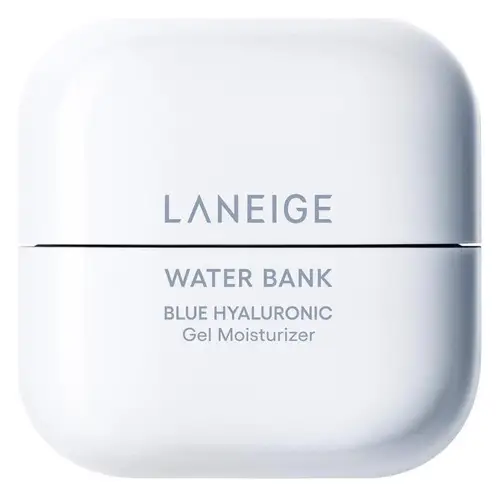
This barrier-repair moisturizer is formulated around Petrolatum and Phytosphingosine to strengthen the skin barrier and hydrate skin.
This barrier-repair moisturizer is formulated around Squalane and Hyaluronic Acid to strengthen the skin barrier and hydrate skin.

What's inside
What's inside
 Key Ingredients
No key ingredients
Benefits
Concerns
Ingredients Side-by-side
Water
Skin ConditioningPetrolatum
Emollient



Glycerin
Humectant

Butylene Glycol
Humectant
Carthamus Tinctorius Seed Oil
Masking

Limnanthes Alba Seed Oil
Skin Conditioning
Hydrogenated Polyisobutene
EmollientPPG-2 Myristyl Ether Propionate
Emollient

Cyclopentasiloxane
Emollient
Linum Usitatissimum Seed Oil
Perfuming
Butyrospermum Parkii Butter
Skin Conditioning
Cetyl Alcohol
Emollient

Cetearyl Glucoside
Emulsifying
C10-30 Cholesterol/Lanosterol Esters
Emulsifying
Cyclohexasiloxane
Emollient
Acrylates/C10-30 Alkyl Acrylate Crosspolymer
Emulsion StabilisingAllium Fistulosum Bulb Extract
Skin ConditioningArachidyl Alcohol
Emollient
Arachidyl Glucoside
EmulsifyingBehenyl Alcohol
Emollient
Beeswax
Emulsion Stabilising
C12-15 Alkyl Benzoate
AntimicrobialCaprylyl Glycol
Emollient
Cyclomethicone
Emollient
Dimethiconol
Emollient
Disodium EDTA
ChelatingEthylhexylglycerin
Skin ConditioningGlyceryl Stearate
Emollient
Hexylene Glycol
EmulsifyingOlea Europaea Oil Unsaponifiables
Skin Conditioning
PEG-100 Stearate
Surfactant
Persea Gratissima Oil
Skin Conditioning
Phenoxyethanol
Preservative
Phytosphingosine
Skin Conditioning


Phytosterols
Skin Conditioning
Rosa Canina Fruit Oil
Emollient
Triethanolamine
BufferingWater, Petrolatum, Glycerin, Butylene Glycol, Carthamus Tinctorius Seed Oil, Limnanthes Alba Seed Oil, Hydrogenated Polyisobutene, PPG-2 Myristyl Ether Propionate, Cyclopentasiloxane, Linum Usitatissimum Seed Oil, Butyrospermum Parkii Butter, Cetyl Alcohol, Cetearyl Glucoside, C10-30 Cholesterol/Lanosterol Esters, Cyclohexasiloxane, Acrylates/C10-30 Alkyl Acrylate Crosspolymer, Allium Fistulosum Bulb Extract, Arachidyl Alcohol, Arachidyl Glucoside, Behenyl Alcohol, Beeswax, C12-15 Alkyl Benzoate, Caprylyl Glycol, Cyclomethicone, Dimethiconol, Disodium EDTA, Ethylhexylglycerin, Glyceryl Stearate, Hexylene Glycol, Olea Europaea Oil Unsaponifiables, PEG-100 Stearate, Persea Gratissima Oil, Phenoxyethanol, Phytosphingosine, Phytosterols, Rosa Canina Fruit Oil, Triethanolamine
Water
Skin ConditioningSqualane
Emollient
Glycerin
Humectant
Pentylene Glycol
Skin Conditioning
Polyglyceryl-2 Stearate
Emulsifying
Glyceryl Stearate
Emollient
Stearyl Alcohol
Emollient
Hyaluronic Acid
Humectant
Ceramide EOP
Skin Conditioning
Ceramide Ng
Skin Conditioning
Ceramide NP
Skin Conditioning
Ceramide As
Skin Conditioning
Ceramide AP
Skin Conditioning
Carnosine
Skin Conditioning
Hydrogenated Lecithin
Emulsifying
Phytosterols
Skin Conditioning
Caprylyl Glycol
Emollient
Polyacrylate Crosspolymer-11
Emulsion Stabilising1,2-Hexanediol
Skin Conditioning
Reviews
Ingredients Explained
These ingredients are found in both products.
Ingredients higher up in an ingredient list are typically present in a larger amount.
Caprylyl Glycol is a humectant, skin conditioner, emollient, and preservative booster derived from either caprylic acid or synthetically created.
Typical use levels vary from 0.3-1% as a preservative booster and go up to 2% to condition skin.
Because it is not a free-fatty acid, this ingredient is fungal acne safe (there's nothing for Malassezia to feed on).
Learn more about Caprylyl GlycolGlycerin (or glycerol) is a compound naturally found in your skin. It's a powerhouse humectant that pulls water into the stratum corneum.
Topically, glycerin does several things at once:
Your skin makes glycerin on its own (mostly from sebaceous oil breakdown) and shuttles it to your outermost layer of skin, or your epidermis, via aquaporin-3.
Aquaporin-3 is a transporter that is essential for normal skin hydration, elasticity, and repair. Interestingly, mice lacking in AQP3 have dry and less elastic skin that can be fully corrected with glycerin.
This ingredient is non-irritating, plays well with almost every ingredient, and works across all skin types. Typical use is anywhere between 3-10% but can go up to 79% in some leave-on products.
Just know very high concentrations (>40%) can feel tacky in low humidity.
Glycerin is the name for this ingredient in American English. British English uses Glycerol/Glycerine.
Learn more about GlycerinGlyceryl Stearate is made by reacting glycerin with stearic acid (typically sourced from plant oils like palm or coconut). It's an emulsifier, emollient, and mild occlusive.
Emulsifiers help ingredients like oil and water stay mixed so your formula stays nicely blended and uniform in texture.
This ingredient is typically used in concentrations between 1-10%. Studies have found it to be non-sensitizing, non-phototoxic, and non-photoallergenic.
A close cousin of this ingredient is Glyceryl Stearate SE ("self-emulsifying"). This just has a small amount of sodium or potassium stearate added so it can emulsify without a co-emulsifier.
Since this ingredient is an ester of a C18 fatty acid, it may not be fungal acne safe. The Malassezia yeast can potentially metabolize within the C11-C24 range.
Fun fact: The human body also creates Glyceryl Stearate naturally.
Learn more about Glyceryl StearatePhytosterols are plant-derived sterols (you can think of them as the plant world's version of cholesterol). In cosmetics, this ingredient is usually sourced from soybean, rice bran, shea, sunflower, and other seed oils.
The main actors in this group are β-sitosterol, campesterol, and stigmasterol (the CIR covers 27 phytosterols).
They work by fitting perfectly into your stratum corneum's lipid matrix since they're structurally similar to cholesterol. Here, they reinforce your skin's barrier.
One small in vivo human study showed topical soybean phytosterols sped up barrier recovery within three days on tape-stripped skin.
Broader research credits them with:
Formulation use typically sit under 5%.
Testing in soy-allergic subjects found no sensitization signals, but be sure to patch test if you are unsure or have existing allergies.
Learn more about PhytosterolsWater. It's the most common cosmetic ingredient of all. You'll usually see it at the top of ingredient lists, meaning that it makes up the largest part of the product.
So why is it so popular? Water most often acts as a solvent - this means that it helps dissolve other ingredients into the formulation.
You'll also recognize water as that liquid we all need to stay alive. If you see this, drink a glass of water. Remember to stay hydrated!
Learn more about Water