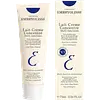
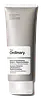
Embryolisse Lait-Crème Concentré Multi-Function Moisturizer Versus The Ordinary Natural Moisturizing Factors + PhytoCeramides
This barrier-repair moisturizer is formulated around Butyrospermum Parkii Butter to strengthen the skin barrier and hydrate skin.
This barrier-repair moisturizer is formulated around Linoleic Acid and Urea to strengthen the skin barrier and hydrate skin.


What's inside
What's inside
 Key Ingredients
No key ingredients
Benefits
Concerns
Ingredients Side-by-side
Water
Skin ConditioningParaffinum Liquidum
Emollient


Stearic Acid
Cleansing


Palmitic Acid
Emollient

Glyceryl Stearate Se
Emulsifying
Triethanolamine
BufferingCera Alba
Emollient
Cetyl Palmitate
Emollient
Butyrospermum Parkii Butter
Skin Conditioning
1,2-Hexanediol
Skin Conditioning
Caprylyl Glycol
Emollient
Steareth-10
Emulsifying
Polyacrylamide
C13-14 Isoparaffin
Emollient
Parfum
Masking

Laureth-7
EmulsifyingPropylene Glycol
Humectant
Tropolone
Skin ConditioningHydrolyzed Soy Protein
Humectant
Aloe Barbadensis Leaf Extract
Emollient

Water, Paraffinum Liquidum, Stearic Acid, Palmitic Acid, Glyceryl Stearate Se, Triethanolamine, Cera Alba, Cetyl Palmitate, Butyrospermum Parkii Butter, 1,2-Hexanediol, Caprylyl Glycol, Steareth-10, Polyacrylamide, C13-14 Isoparaffin, Parfum, Laureth-7, Propylene Glycol, Tropolone, Hydrolyzed Soy Protein, Aloe Barbadensis Leaf Extract
Water
Skin ConditioningCaprylic/Capric Triglyceride
Masking
Cetyl Ethylhexanoate
EmollientIsodecyl Neopentanoate
EmollientGlycerin
Humectant
Propanediol
Solvent
Polyglyceryl-6 Polyricinoleate
Emulsifying
Hydrogenated Vegetable Oil
Emollient
Polyglyceryl-2 Isostearate
Emulsifying
Isosorbide Dicaprylate
Skin ConditioningDisteardimonium Hectorite
StabilisingPhytosteryl Canola Glycerides
Skin Conditioning
Glycosphingolipids
EmollientGlycolipids
Skin ConditioningLinoleic Acid
Cleansing
Oleic Acid
Emollient
Palmitic Acid
Emollient
Stearic Acid
Cleansing
Arginine
Masking
Glycine
Buffering
Alanine
Masking
Serine
Masking
Proline
Skin Conditioning
Threonine
Glutamic Acid
Humectant
Lysine Hcl
Skin Conditioning
Betaine
Humectant
Xylitylglucoside
Humectant
Anhydroxylitol
Humectant
Xylitol
Humectant
Glucose
Humectant
Maltose
MaskingFructose
Humectant
Trehalose
Humectant
Sodium PCA
Humectant
PCA
Humectant
Sodium Lactate
Buffering
Urea
Buffering

Allantoin
Skin Conditioning
Sodium Hyaluronate
Humectant
Lecithin
Emollient
Triolein
Skin Conditioning
Dimethyl Isosorbide
SolventPentylene Glycol
Skin Conditioning
Tocopherol
Antioxidant


Hydroxymethoxyphenyl Decanone
Skin ConditioningCitric Acid
Buffering
Trisodium Ethylenediamine Disuccinate
ChelatingMagnesium Sulfate
Sodium Chloride
MaskingSodium Hydroxide
BufferingPhenoxyethanol
Preservative
Chlorphenesin
Antimicrobial
Water, Caprylic/Capric Triglyceride, Cetyl Ethylhexanoate, Isodecyl Neopentanoate, Glycerin, Propanediol, Polyglyceryl-6 Polyricinoleate, Hydrogenated Vegetable Oil, Polyglyceryl-2 Isostearate, Isosorbide Dicaprylate, Disteardimonium Hectorite, Phytosteryl Canola Glycerides, Glycosphingolipids, Glycolipids, Linoleic Acid, Oleic Acid, Palmitic Acid, Stearic Acid, Arginine, Glycine, Alanine, Serine, Proline, Threonine, Glutamic Acid, Lysine Hcl, Betaine, Xylitylglucoside, Anhydroxylitol, Xylitol, Glucose, Maltose, Fructose, Trehalose, Sodium PCA, PCA, Sodium Lactate, Urea, Allantoin, Sodium Hyaluronate, Lecithin, Triolein, Dimethyl Isosorbide, Pentylene Glycol, Tocopherol, Hydroxymethoxyphenyl Decanone, Citric Acid, Trisodium Ethylenediamine Disuccinate, Magnesium Sulfate, Sodium Chloride, Sodium Hydroxide, Phenoxyethanol, Chlorphenesin
Reviews
Ingredients Explained
These ingredients are found in both products.
Ingredients higher up in an ingredient list are typically present in a larger amount.
Palmitic Acid is a fatty acid naturally found in our skin and in many plant and animal sources.
In cosmetics, it is usually derived from palm oil. It serves many purposes in skincare, acting as a cleanser, emollient, and emulsifier.
Interestingly, topically applied Palmitic Acid can be elongated into longer chain fatty acids and ceramides. A 2019 study found low levels of Palmitic Acid lead to slower development of cells, suggesting it plays a role in keeping your skin's renewal process on track.
The CIR (Cosmetic Ingredient Review) panel determined it safe as used in cosmetics at concentrations up to 13%. It is non-irritating and non-sensitizing in clinical studies.
The culprit behind fungal acne, the Malassezia yeast, feeds on fatty acids with carbon chain lengths between C11-C24. Palmitic Acid, at C16, falls right into that sweet spot.
In vitro studies have shown that Palmitic Acid is one of the fatty acids that induce rapid Malassezia growth in lab settings.
It's worth noting that what feeds yeast in a lab doesn't necessarily feed it on your face since formulation and your skin's chemistry play a bigger role.
Learn more about Palmitic AcidStearic Acid is a fatty acid that is already found in your skin. It's one of the free fatty acids that works alongside ceramides and cholesterols to maintain your barrier.
In cosmetics, it is a multitasker:
Safety-wise, the CIR Expert Panel has concluded it to be safe in cosmetics when formulated to be non-irritating and non-sensitizing.
Free stearic acid is a C18 fatty acid that the Malassezia yeast can substrate, so this ingredient may not be fungal acne safe.
Learn more about Stearic AcidWater. It's the most common cosmetic ingredient of all. You'll usually see it at the top of ingredient lists, meaning that it makes up the largest part of the product.
So why is it so popular? Water most often acts as a solvent - this means that it helps dissolve other ingredients into the formulation.
You'll also recognize water as that liquid we all need to stay alive. If you see this, drink a glass of water. Remember to stay hydrated!
Learn more about Water

