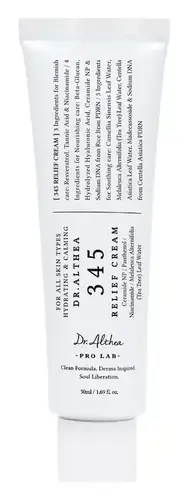
This moisturizer is formulated around Prunus Amygdalus Dulcis Oil and Hippophae Rhamnoides Fruit Extract to hydrate skin.
This anti-aging moisturizer is formulated around Butyrospermum Parkii Butter and Acetyl Dipeptide-1 Cetyl Ester to soften the look of wrinkles and hydrate skin.

What's inside
What's inside
 Key Ingredients
Benefits
Concerns
Ingredients Side-by-side
Water
Skin ConditioningGlycerin
Humectant


Dicaprylyl Ether
Emollient
Prunus Amygdalus Dulcis Oil
Skin Conditioning




Myristyl Myristate
Emollient
Euphorbia Cerifera Cera
Astringent
Dipentaerythrityl Hexacaprylate/Hexacaprate
EmulsifyingCetearyl Glucoside
Emulsifying
Sorbitan Olivate
Emulsifying
Illite
Abrasive
Sclerotium Gum
Emulsion StabilisingTocopheryl Acetate
Antioxidant


Glyceryl Stearate
Emollient
Sodium Acrylates Copolymer
Parfum
Masking


Citric Acid
Buffering
Sodium Stearoyl Glutamate
Cleansing1,2-Hexanediol
Skin Conditioning
Caprylyl Glycol
Emollient
CI 15510
Cosmetic ColorantSodium Benzoate
Masking
Cetearyl Alcohol
Emollient
Alcohol
Antimicrobial

Lecithin
Emollient
Polygonum Bistorta Root Extract
Skin ConditioningTocopherol
Antioxidant


Helianthus Annuus Seed Oil
Emollient
Sodium Hydroxide
BufferingHippophae Rhamnoides Fruit Extract
Skin Conditioning
Ceteareth-20
Cleansing
Ascorbyl Glucoside
Antioxidant
Limonene
Perfuming
Hydroxycitronellal
Perfuming
Water, Glycerin, Dicaprylyl Ether, Prunus Amygdalus Dulcis Oil, Myristyl Myristate, Euphorbia Cerifera Cera, Dipentaerythrityl Hexacaprylate/Hexacaprate, Cetearyl Glucoside, Sorbitan Olivate, Illite, Sclerotium Gum, Tocopheryl Acetate, Glyceryl Stearate, Sodium Acrylates Copolymer, Parfum, Citric Acid, Sodium Stearoyl Glutamate, 1,2-Hexanediol, Caprylyl Glycol, CI 15510, Sodium Benzoate, Cetearyl Alcohol, Alcohol, Lecithin, Polygonum Bistorta Root Extract, Tocopherol, Helianthus Annuus Seed Oil, Sodium Hydroxide, Hippophae Rhamnoides Fruit Extract, Ceteareth-20, Ascorbyl Glucoside, Limonene, Hydroxycitronellal
Water
Skin ConditioningGlycerin
Humectant
Butyrospermum Parkii Butter
Skin Conditioning
Cyclohexasiloxane
Emollient
Prunus Armeniaca Kernel Oil
Masking
Pentaerythrityl Tetraethylhexanoate
Emollient
Isohexadecane
EmollientZea Mays Starch
Absorbent
Silica
Abrasive
Hydroxypropyl Tetrahydropyrantriol
Skin ConditioningBeeswax
Emulsion Stabilising
Stearic Acid
Cleansing
Dimethicone
Emollient
Palmitic Acid
Emollient
PEG-100 Stearate
Surfactant
Glyceryl Stearate
Emollient
Propylene Glycol
Humectant
PEG-20 Stearate
Emulsifying
Bis-PEG-18 Methyl Ether Dimethyl Silane
EmollientStearyl Alcohol
Emollient
Dimethiconol
Emollient
Arginine PCA
HumectantSerine
Masking
Disodium EDTA
ChelatingHydrolyzed Linseed Extract
Skin ConditioningAcetyl Dipeptide-1 Cetyl Ester
Skin Conditioning
Polysorbate 80
Emulsifying
Acrylamide/Sodium Acryloyldimethyltaurate Copolymer
Emulsion StabilisingPentaerythrityl Tetra-Di-T-Butyl Hydroxyhydrocinnamate
Antioxidant
Sodium Benzoate
Masking
Phenoxyethanol
Preservative
Benzoic Acid
Masking
Parfum
Masking
Water, Glycerin, Butyrospermum Parkii Butter, Cyclohexasiloxane, Prunus Armeniaca Kernel Oil, Pentaerythrityl Tetraethylhexanoate, Isohexadecane, Zea Mays Starch, Silica, Hydroxypropyl Tetrahydropyrantriol, Beeswax, Stearic Acid, Dimethicone, Palmitic Acid, PEG-100 Stearate, Glyceryl Stearate, Propylene Glycol, PEG-20 Stearate, Bis-PEG-18 Methyl Ether Dimethyl Silane, Stearyl Alcohol, Dimethiconol, Arginine PCA, Serine, Disodium EDTA, Hydrolyzed Linseed Extract, Acetyl Dipeptide-1 Cetyl Ester, Polysorbate 80, Acrylamide/Sodium Acryloyldimethyltaurate Copolymer, Pentaerythrityl Tetra-Di-T-Butyl Hydroxyhydrocinnamate, Sodium Benzoate, Phenoxyethanol, Benzoic Acid, Parfum
Ingredients Explained
These ingredients are found in both products.
Ingredients higher up in an ingredient list are typically present in a larger amount.
Glycerin (or glycerol) is a compound naturally found in your skin. It's a powerhouse humectant that pulls water into the stratum corneum.
Topically, glycerin does several things at once:
Your skin makes glycerin on its own (mostly from sebaceous oil breakdown) and shuttles it to your outermost layer of skin, or your epidermis, via aquaporin-3.
Aquaporin-3 is a transporter that is essential for normal skin hydration, elasticity, and repair. Interestingly, mice lacking in AQP3 have dry and less elastic skin that can be fully corrected with glycerin.
This ingredient is non-irritating, plays well with almost every ingredient, and works across all skin types. Typical use is anywhere between 3-10% but can go up to 79% in some leave-on products.
Just know very high concentrations (>40%) can feel tacky in low humidity.
Glycerin is the name for this ingredient in American English. British English uses Glycerol/Glycerine.
Learn more about GlycerinGlyceryl Stearate is made by reacting glycerin with stearic acid (typically sourced from plant oils like palm or coconut). It's an emulsifier, emollient, and mild occlusive.
Emulsifiers help ingredients like oil and water stay mixed so your formula stays nicely blended and uniform in texture.
This ingredient is typically used in concentrations between 1-10%. Studies have found it to be non-sensitizing, non-phototoxic, and non-photoallergenic.
A close cousin of this ingredient is Glyceryl Stearate SE ("self-emulsifying"). This just has a small amount of sodium or potassium stearate added so it can emulsify without a co-emulsifier.
Since this ingredient is an ester of a C18 fatty acid, it may not be fungal acne safe. The Malassezia yeast can potentially metabolize within the C11-C24 range.
Fun fact: The human body also creates Glyceryl Stearate naturally.
Learn more about Glyceryl StearateParfum is a catch-all term for an ingredient or more that is used to give a scent to products.
Also called "fragrance", this ingredient can be a blend of hundreds of chemicals or plant oils. This means every product with "fragrance" or "parfum" in the ingredients list is a different mixture.
For instance, Habanolide is a proprietary trade name for a specific aroma chemical. When used as a fragrance ingredient in cosmetics, most aroma chemicals fall under the broad labeling category of “FRAGRANCE” or “PARFUM” according to EU and US regulations.
The term 'parfum' or 'fragrance' is not regulated in many countries. In many cases, it is up to the brand to define this term.
For instance, many brands choose to label themselves as "fragrance-free" because they are not using synthetic fragrances. However, their products may still contain ingredients such as essential oils that are considered a fragrance by INCI standards.
One example is Calendula flower extract. Calendula is an essential oil that still imparts a scent or 'fragrance'.
Depending on the blend, the ingredients in the mixture can cause allergies and sensitivities on the skin. Some ingredients that are known EU allergens include linalool and citronellol.
Parfum can also be used to mask or cover an unpleasant scent.
The bottom line is: not all fragrances/parfum/ingredients are created equally. If you are worried about fragrances, we recommend taking a closer look at an ingredient. And of course, we always recommend speaking with a professional.
Learn more about ParfumSodium Benzoate is a preservative. It's used in both cosmetic and food products to inhibit the growth of mold and bacteria. It is typically produced synthetically.
Both the US FDA and EU Health Committee have approved the use of sodium benzoate. In the US, levels of 0.1% (of the total product) are allowed.
Sodium benzoate works as a preservative by inhibiting the growth of bacteria inside of cells. It prevents the cell from fermenting a type of sugar using an enzyme called phosphofructokinase.
It is the salt of benzoic acid. Foods containing sodium benzoate include soda, salad dressings, condiments, fruit juices, wines, and snack foods.
Studies for using ascorbic acid and sodium benzoate in cosmetics are lacking, especially in skincare routines with multiple steps.
We always recommend speaking with a professional, such as a dermatologist, if you have any concerns.
Learn more about Sodium BenzoateWater. It's the most common cosmetic ingredient of all. You'll usually see it at the top of ingredient lists, meaning that it makes up the largest part of the product.
So why is it so popular? Water most often acts as a solvent - this means that it helps dissolve other ingredients into the formulation.
You'll also recognize water as that liquid we all need to stay alive. If you see this, drink a glass of water. Remember to stay hydrated!
Learn more about Water