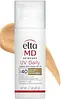
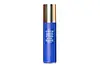
EltaMD, Inc UV Daily Tinted Face Sunscreen SPF 40 Versus Lions Pose Ghost-Buster 100% Mineral Sunscreen SPF 42
This sunscreen offers SPF 40 protection with a dewy, hydrating finish.
This mineral sunscreen covers the full UV range and blocks ~98% of UVB at SPF 42.

What's inside
What's inside
 Key Ingredients
Benefits
Concerns
Ingredients Side-by-side
Water
Skin ConditioningPetrolatum
Emollient



Isopropyl Palmitate
Emollient



Dimethicone
Emollient

Cetearyl Alcohol
Emollient

Oleth-3 Phosphate
SurfactantPhenoxyethanol
Preservative
Hydroxyethyl Acrylate/Sodium Acryloyldimethyl Taurate Copolymer
Emulsion StabilisingPolyisobutene
Cetearyl Glucoside
Emulsifying
Octyldodecyl Neopentanoate
EmollientEthylhexyl Stearate
Emollient
Polyether-1
Butylene Glycol
Humectant
PEG-7 Trimethylolpropane Coconut Ether
Emulsifying
Sodium Hyaluronate
Humectant


Iodopropynyl Butylcarbamate
Preservative
Citric Acid
Buffering

Tocopheryl Acetate
Antioxidant

Triethoxycaprylylsilane
Iron Oxides
Water, Petrolatum, Isopropyl Palmitate, Dimethicone, Cetearyl Alcohol, Oleth-3 Phosphate, Phenoxyethanol, Hydroxyethyl Acrylate/Sodium Acryloyldimethyl Taurate Copolymer, Polyisobutene, Cetearyl Glucoside, Octyldodecyl Neopentanoate, Ethylhexyl Stearate, Polyether-1, Butylene Glycol, PEG-7 Trimethylolpropane Coconut Ether, Sodium Hyaluronate, Iodopropynyl Butylcarbamate, Citric Acid, Tocopheryl Acetate, Triethoxycaprylylsilane, Iron Oxides
Zinc Oxide 15%
Cosmetic Colorant


Water
Skin ConditioningDicaprylyl Carbonate
EmollientCaprylic/Capric Triglyceride
Masking
Cetearyl Alcohol
Emollient
Isosorbide Dicaprylate
Skin ConditioningSqualane
Emollient
Glycerin
Humectant
Dimethicone
Emollient
Propanediol
Solvent
Coco-Glucoside
Cleansing
Polyhydroxystearic Acid
Emulsifying
Oryza Sativa Bran Extract
Skin Conditioning
Quercus Suber Bark Extract
Skin ConditioningCucumis Sativus Fruit Extract
Emollient
Magnolia Officinalis Bark Extract
Antimicrobial
Vitis Vinifera Seed Extract
Antimicrobial
Oak Root Extract
Skin ConditioningSimmondsia Chinensis Seed Oil
Emollient
Cocos Nucifera Oil
Masking
Jojoba Esters
Emollient
Glutathione

Tocopherol
Antioxidant
Caprylhydroxamic Acid
Sodium Stearoyl Glutamate
CleansingTrisodium Ethylenediamine Disuccinate
Polyglyceryl-6 Polyricinoleate
Emulsifying
Glyceryl Caprylate
EmollientGlyceryl Oleate Citrate
Emulsifying
Cetearyl Glucoside
Emulsifying
Maltodextrin
Absorbent
Lecithin
Emollient
Acacia Senegal Gum
MaskingXanthan Gum
EmulsifyingSilica
Abrasive

Caprylyl Glycol
Emollient
Pentylene Glycol
Skin Conditioning
Sodium Benzoate
Masking
Iron Oxides
CI 77491
Cosmetic ColorantCI 77492
Cosmetic ColorantZinc Oxide 15%, Water, Dicaprylyl Carbonate, Caprylic/Capric Triglyceride, Cetearyl Alcohol, Isosorbide Dicaprylate, Squalane, Glycerin, Dimethicone, Propanediol, Coco-Glucoside, Polyhydroxystearic Acid, Oryza Sativa Bran Extract, Quercus Suber Bark Extract, Cucumis Sativus Fruit Extract, Magnolia Officinalis Bark Extract, Vitis Vinifera Seed Extract, Oak Root Extract, Simmondsia Chinensis Seed Oil, Cocos Nucifera Oil, Jojoba Esters, Glutathione, Tocopherol, Caprylhydroxamic Acid, Sodium Stearoyl Glutamate, Trisodium Ethylenediamine Disuccinate, Polyglyceryl-6 Polyricinoleate, Glyceryl Caprylate, Glyceryl Oleate Citrate, Cetearyl Glucoside, Maltodextrin, Lecithin, Acacia Senegal Gum, Xanthan Gum, Silica, Caprylyl Glycol, Pentylene Glycol, Sodium Benzoate, Iron Oxides, CI 77491, CI 77492
Reviews
Ingredients Explained
These ingredients are found in both products.
Ingredients higher up in an ingredient list are typically present in a larger amount.
Cetearyl alcohol is a waxy mixture of two fatty alcohols: cetyl alcohol and stearyl alcohol. It is an emollient and emulsifier.
Despite having "alcohol" in its name, it has nothing to do with drying solvent alcohols; the FDA also allows "alcohol-free" products to contain fatty alcohols like this ingredient.
It plays several roles in a formula:
Typical use levels for this ingredient sit around 1-10% and the Cosmetic Ingredient Review Expert Panel has affirmed safety at concentrations up to 25% in leave-on products.
Multiple assessments have found it to be non-irritating and non-sensitizing to most people.
However, there have been some cases of allergic contact dermatitis in patients with chronically compromised skin barriers.
Cetearyl alcohol has a comedogenic rating of 2 and irritancy rating of 1. Both of these numbers come from the 1989 study that used rabbit ears; a "2" means mildly comedogenic and a "1" means low irritancy.
Here's the catch: rabbit skin is more sensitive than human skin and throws a lot of false positives. A 1996 reappraisal found that ingredients rated 1-2 in the rabbit ear tests are generally safe for humans.
Remember comedogenic ratings are unable to assess the entire formula of a product or how it will react on your skin. Just be sure to patch test if you are unsure about certain ingredients.
This ingredient is not fungal acne safe. Cetearyl alcohol is a fatty alcohol with chain lengths that fall within the range that Malassezia can metabolize.
A 2019 study has also observed Malassezia growth in the presence of this ingredient, confirming it to be not-fungal acne safe.
Learn more about Cetearyl AlcoholCetearyl Glucoside is a sugar-based emulsifier. It is usually made by combining cetearyl alcohol and glucose.
Belonging to the aklyl polyglucoside (APG) family, Cetearyl Glucoside has a sugar "head" that loves water and a fatty "tail" that loves oil. This means it can shuffle oil and water into a stable and smooth emulsion.
Typical use levels are between 1-5% and this ingredient is considered to be non-irritating by the CIR Expert Panel Review.
Once applied, your skin's glucoside hydrolases breaks it down to the parent fatty alcohol and glucose. This is why this ingredient may not be fungal acne safe.
Learn more about Cetearyl GlucosideDimethicone is a type of synthetic silicone created from natural materials such as quartz. It is also known as polydimethylsiloxane.
What it does:
Dimethicone comes in different viscosities:
Depending on the viscosity, dimethicone has different properties.
Ingredients lists don't always show which type is used, so we recommend reaching out to the brand if you have questions about the viscosity.
This ingredient is unlikely to cause irritation because it does not get absorbed into skin. However, people with silicone allergies should be careful about using this ingredient.
Note: Dimethicone may contribute to pilling. This is because it is not oil or water soluble, so pilling may occur when layered with products. When mixed with heavy oils in a formula, the outcome is also quite greasy.
Learn more about DimethiconeWater. It's the most common cosmetic ingredient of all. You'll usually see it at the top of ingredient lists, meaning that it makes up the largest part of the product.
So why is it so popular? Water most often acts as a solvent - this means that it helps dissolve other ingredients into the formulation.
You'll also recognize water as that liquid we all need to stay alive. If you see this, drink a glass of water. Remember to stay hydrated!
Learn more about WaterThis ingredient is a combination of red, black, and yellow iron oxide pigments. This combination of colors is usually found in foundation, because it results in a "skin" color.
The EU typically uses CI numbers for colorants when applicable, such as CI 77489. In the US, iron oxides are regulated as color additives and "iron oxides" is the most commonly used name in US cosmetic practice.
A 2021 paper looked at skincare formulations containing iron oxides and found that they reduced transmission of blue light when measured optically. In simple terms, the pigment particles helped block or scatter part of the visible light spectrum in lab testing and the authors suggest this could translate into better protection against blue-light-related skin effects.
There is also clinical and experimental research showing that tinted products containing iron oxides can reduce visible light-induced pigmentation:
Please note, whether a product reduces visible or blue light depends on things like:
In the EU's CosIng database, iron oxides are only listed as a colorant. CosIng groups ingredients by their main cosmetic role, such as colorant, preservative, or UV filter.
Though studies say iron oxides can "attenuate blue light", they're describing an optical property and not an officially recognized cosmetic function.
So CosIng isn’t contradicting the research. It’s just classifying iron oxides by what they officially are: pigments that add color.
Learn more about Iron Oxides

