Elizabeth Arden Ceramide Micro Capsule Skin Replenishing Essence Versus Elizabeth Arden Advanced Ceramide Capsules Daily Youth Restoring Serum
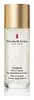
This hydrating essence is formulated around Camellia Japonica Seed Oil and Gluconolactone to hydrate skin.
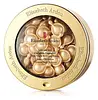
This barrier-repair serum is formulated around Ceramide EOP and Ceramide NP to strengthen the skin barrier and soften the look of wrinkles.

What's inside
What's inside
 Key Ingredients
Benefits
Concerns
Ingredients Side-by-side
Water
Skin ConditioningPropanediol
Solvent

Butylene Glycol
Humectant
Pentylene Glycol
Skin Conditioning
Glycerin
Humectant
Isononyl Isononanoate
EmollientAlcaligenes Polysaccharides
EmollientAmodimethicone

Calanthe Discolor Extract
Skin ConditioningCalcium Gluconate
HumectantCamellia Japonica Seed Oil
Emollient


Candida Bombicola/Glucose/Methyl Rapeseedate Ferment
AntimicrobialCaprylic/Capric Triglyceride
Masking
Carbomer
Emulsion StabilisingCastor Oil/Ipdi Copolymer
Disodium EDTA
ChelatingGluconolactone
Chelating






Limnanthes Alba Seed Oil
Skin Conditioning
Maltodextrin
Absorbent
Maris Sal
Skin ConditioningOphiopogon Japonicus Root Extract
Skin ConditioningPolyacrylate Crosspolymer-6
Emulsion StabilisingSodium Carrageenan
Emulsion StabilisingSodium Hydroxide
BufferingTocopherol
Antioxidant



Xanthan Gum
EmulsifyingChlorphenesin
Antimicrobial
Phenoxyethanol
Preservative
Water, Propanediol, Butylene Glycol, Pentylene Glycol, Glycerin, Isononyl Isononanoate, Alcaligenes Polysaccharides, Amodimethicone, Calanthe Discolor Extract, Calcium Gluconate, Camellia Japonica Seed Oil, Candida Bombicola/Glucose/Methyl Rapeseedate Ferment, Caprylic/Capric Triglyceride, Carbomer, Castor Oil/Ipdi Copolymer, Disodium EDTA, Gluconolactone, Limnanthes Alba Seed Oil, Maltodextrin, Maris Sal, Ophiopogon Japonicus Root Extract, Polyacrylate Crosspolymer-6, Sodium Carrageenan, Sodium Hydroxide, Tocopherol, Xanthan Gum, Chlorphenesin, Phenoxyethanol
Isononyl Isononanoate
EmollientIsodecyl Neopentanoate
EmollientIsododecane
EmollientIsopropyl Myristate
Emollient



Dimethicone
Emollient
Camellia Japonica Seed Oil
Emollient
Divinyldimethicone/Dimethicone Copolymer
Dimethicone Crosspolymer
Emulsion Stabilising
Caprylic Acid
CleansingCaprylic/Capric Triglyceride
Masking
Ceramide EOP
Skin Conditioning

Ceramide NP
Skin Conditioning
Ceramide AP
Skin Conditioning
Cholesterol
Emollient
Cocos Nucifera Oil
Masking
Crithmum Maritimum Extract
Skin ConditioningLinoleic Acid
Cleansing
Linolenic Acid
Cleansing
Medicago Sativa Extract
TonicPhytosphingosine
Skin Conditioning
Retinyl Palmitate
Skin Conditioning
Squalene
Emollient
Tocopherol
Antioxidant
Isononyl Isononanoate, Isodecyl Neopentanoate, Isododecane, Isopropyl Myristate, Dimethicone, Camellia Japonica Seed Oil, Divinyldimethicone/Dimethicone Copolymer, Dimethicone Crosspolymer, Caprylic Acid, Caprylic/Capric Triglyceride, Ceramide EOP, Ceramide NP, Ceramide AP, Cholesterol, Cocos Nucifera Oil, Crithmum Maritimum Extract, Linoleic Acid, Linolenic Acid, Medicago Sativa Extract, Phytosphingosine, Retinyl Palmitate, Squalene, Tocopherol
Reviews
Alternatives
Ingredients Explained
These ingredients are found in both products.
Ingredients higher up in an ingredient list are typically present in a larger amount.
This ingredient is also known as Tsubaki oil, or the fixed oil from the seeds of the Japanese camellia.
It's basically a fatty acid delivery system (~75-85% oleic acid) plus some minor extras like squalene, tocopherols, and phytosterols.
That profile makes it a classic emollient; it works by hanging out with the skin's surface lipids, softens, and slows down water loss.
The most cited study on it was done on skin cells in a dish where this oil got them to make more of the building blocks for collagen while also slowing down the enzyme that breaks collagen down. Researchers tested this on human skin too; it didn't cause irritation and helped skin hold onto moisture better.
Another study done on cells and mice found this oil quieted down some of the body's inflammation signals.
These studies are still small, early, and not done on humans, so it's best to think of this ingredient as a great supporting ingredient for the rest of your routine and not the main active.
Concentrations can range from 1-5% in serums to 100% as a single face oil (how it's most traditionally used).
Because this ingredient is a triglyceride of long-chain fatty acids, this ingredient may not be Malassezia safe.
Allergies to this protein are quite rare as the refined seed oil contains very little residual protein. Human irritation testing also came back clean. But it is a plant and as with any botanical ingredient, contact allergy is possible.
Learn more about Camellia Japonica Seed OilCaprylic/Capric Triglyceride (aka MCT Oil) is a lightweight emollient, solvent, and texture enhancer. It is considered a skin-softener by helping to prevent moisture loss.
Though it behaves like an oil, it is not technically one due to its chemical composition. One perk of this ingredient is that it is very stable, resistant to oxidation, and unlikely to go rancid.
In practice, that translates to a long shelf life and a consistently elegant skin feel.
While there is an assumption Caprylic Triglyceride can clog pores due to it being derived from coconut oil, there is no research supporting this. Just patch test if you have concerns.
Fractionated coconut oil and MCT Oil are both listed as Caprylic/Capric Triglyceride according to INCI. This is because INCI names are based on the ingredient’s final chemical composition and not its marketing name or source.
This ingredient is treated as the gold standard fungal acne safe oil. Even though it is coconut derived, the problematic lauric acid is stripped out.
This leaves just caprylic (C8) and capric (C10) acid. These chain lengths actually trend antifungal; a 2020 study found caprylic acid was enough to disrupt Malassezia furfur cell membrane, with a caprylic acid derivative damaging membrane structures at concentrations as low as 0.2%.
Learn more about Caprylic/Capric TriglycerideIsononyl Isononanoate is a synthetic skin-conditioner and texture enhancer. It is created from nonanoic acid, a fatty acid found in cocoa and lavender oil.
As an emollient, Isononyl Isononanoate helps keep your skin soft and smooth. This is because emollients create a barrier on the skin to trap moisture in.
Isononyl Isononanoate helps give products a velvet feel and improves spreadability.
Learn more about Isononyl IsononanoateTocopherol is a fat-soluble antioxidant known as Vitamin E.
You'll find this ingredient in the vast majority of skincare (for good reason). It works to neutralize free radicals, or unstable molecules generated by UV exposure, pollution, and other environmental stressors, before they can cause oxidative damage to your skin cells.
Topically applied tocopherol has been shown to protect against UV damage by ramping up the skin's own natural defense enzymes.
It also acts as a skin conditioning agent; some studies show that regular topical use can improve the skin's water-binding capacity over 2-4 weeks.
This ingredient is especially loved for being a team player. When combined with Vitamin C, the photoprotective effect of both ingredients roughly doubles and the combo also helps reduce UV-induced DNA damage.
This ingredient has some brightening potential but it's more of a prevention ingredient than spot-fader. Cell studies show it can slow down melanin production but it's worth noting that it's not the most powerful brightener out there.
In formulations, it also serves as a stabilizer that helps protect other oxidation-prone ingredients from degrading.
Concentrations usually range from 0.1-1% in most leave-on products.
Learn more about Tocopherol

