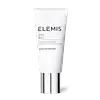
This exfoliator is formulated around Helianthus Annuus Seed Oil and Butyrospermum Parkii Butter to hydrate and support the skin barrier.
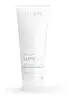
This mild gel cleanser is made to cleanse while calming and soothing your skin.


What's inside
What's inside
 Key Ingredients
Benefits
Concerns
Ingredients Side-by-side
Water
Skin ConditioningHelianthus Annuus Seed Oil
Emollient



Silica
Abrasive


Glyceryl Stearate
Emollient
PEG-100 Stearate
Surfactant
Butyrospermum Parkii Butter
Skin Conditioning



Cetearyl Alcohol
Emollient

Glycerin
Humectant
Cetyl Alcohol
Emollient
Parfum
Masking


Hydroxyacetophenone
Antioxidant
Xanthan Gum
EmulsifyingCera Alba
Emollient
Copernicia Cerifera Cera
Emollient
Chlorphenesin
Antimicrobial
Ceteareth-20
Cleansing
Disodium EDTA
ChelatingSodium Dehydroacetate
Preservative
Citronellol
Perfuming
Chamomilla Recutita Flower/Leaf Extract
AntimicrobialVaccinium Myrtillus Fruit/Leaf Extract
AstringentRosmarinus Officinalis Leaf Extract
AntimicrobialSpiraea Ulmaria Flower Extract
Skin ConditioningHumulus Lupulus Extract
AntimicrobialPolysorbate 80
Emulsifying
Linalool
Perfuming
Alpha-Isomethyl Ionone
Perfuming
Hydroxycitronellal
Perfuming
Hydroxyisohexyl 3-Cyclohexene Carboxaldehyde
Masking
Tocopherol
Antioxidant




Sodium Levulinate
Skin ConditioningPotassium Sorbate
Preservative
Ascorbyl Palmitate
Antioxidant
Beta-Carotene
Skin ConditioningSodium Hydroxide
BufferingWater, Helianthus Annuus Seed Oil, Silica, Glyceryl Stearate, PEG-100 Stearate, Butyrospermum Parkii Butter, Cetearyl Alcohol, Glycerin, Cetyl Alcohol, Parfum, Hydroxyacetophenone, Xanthan Gum, Cera Alba, Copernicia Cerifera Cera, Chlorphenesin, Ceteareth-20, Disodium EDTA, Sodium Dehydroacetate, Citronellol, Chamomilla Recutita Flower/Leaf Extract, Vaccinium Myrtillus Fruit/Leaf Extract, Rosmarinus Officinalis Leaf Extract, Spiraea Ulmaria Flower Extract, Humulus Lupulus Extract, Polysorbate 80, Linalool, Alpha-Isomethyl Ionone, Hydroxycitronellal, Hydroxyisohexyl 3-Cyclohexene Carboxaldehyde, Tocopherol, Sodium Levulinate, Potassium Sorbate, Ascorbyl Palmitate, Beta-Carotene, Sodium Hydroxide
Water
Skin ConditioningCoco-Betaine
Cleansing
Sodium Cocoyl Glycinate
Cleansing
Glycerin
Humectant
Polyquaternium-39
Acrylates Copolymer
Sodium Chloride
MaskingDiisopropyl Sebacate
EmollientSilybum Marianum Seed Oil
Skin Conditioning
Oryza Sativa Extract
Absorbent
Schisandra Chinensis Fruit Extract
Skin Conditioning
Porphyra Umbilicalis Extract
Skin ConditioningNarcissus Tazetta Bulb Extract
Astringent
Rhododendron Ferrugineum Extract
MaskingPEG-8
HumectantNannochloropsis Oculata Extract
HumectantAlumina
Abrasive
Glycol
HumectantGlycol Distearate
Emollient
Glycol Stearate
Emollient
Acrylates/C10-30 Alkyl Acrylate Crosspolymer
Emulsion StabilisingSynthetic Fluorphlogopite
Tin Oxide
Abrasive
Sodium Phytate
ChelatingPhytic Acid
Chelating
Sodium Hydroxide
BufferingDisodium Phosphate
BufferingParfum
Masking
Phenoxyethanol
Preservative
Chlorphenesin
Antimicrobial
Sodium Benzoate
Masking
Potassium Sorbate
Preservative
Linalool
Perfuming
CI 77891
Cosmetic ColorantWater, Coco-Betaine, Sodium Cocoyl Glycinate, Glycerin, Polyquaternium-39, Acrylates Copolymer, Sodium Chloride, Diisopropyl Sebacate, Silybum Marianum Seed Oil, Oryza Sativa Extract, Schisandra Chinensis Fruit Extract, Porphyra Umbilicalis Extract, Narcissus Tazetta Bulb Extract, Rhododendron Ferrugineum Extract, PEG-8, Nannochloropsis Oculata Extract, Alumina, Glycol, Glycol Distearate, Glycol Stearate, Acrylates/C10-30 Alkyl Acrylate Crosspolymer, Synthetic Fluorphlogopite, Tin Oxide, Sodium Phytate, Phytic Acid, Sodium Hydroxide, Disodium Phosphate, Parfum, Phenoxyethanol, Chlorphenesin, Sodium Benzoate, Potassium Sorbate, Linalool, CI 77891
Reviews
Ingredients Explained
These ingredients are found in both products.
Ingredients higher up in an ingredient list are typically present in a larger amount.
Chlorphenesin is a synthetic preservative. It helps protect a product against bacteria in order to extend shelf life. In most cases, Chlorphenesin is paired with other preservatives such as phenoxyethanol and caprylyl glycol.
Chlorphenesin is a biocide. This means it is able to help fight the microorganisms on our skin. It is also able to fight odor-releasing bacteria.
Chlorphenesin is soluble in both water and glycerin.
Studies show Chlorphenesin is easily absorbed by our skin. You should speak with a skincare professional if you have concerns about using Chlorphenesin.
Learn more about ChlorphenesinGlycerin (or glycerol) is a compound naturally found in your skin. It's a powerhouse humectant that pulls water into the stratum corneum.
Topically, glycerin does several things at once:
Your skin makes glycerin on its own (mostly from sebaceous oil breakdown) and shuttles it to your outermost layer of skin, or your epidermis, via aquaporin-3.
Aquaporin-3 is a transporter that is essential for normal skin hydration, elasticity, and repair. Interestingly, mice lacking in AQP3 have dry and less elastic skin that can be fully corrected with glycerin.
This ingredient is non-irritating, plays well with almost every ingredient, and works across all skin types. Typical use is anywhere between 3-10% but can go up to 79% in some leave-on products.
Just know very high concentrations (>40%) can feel tacky in low humidity.
Glycerin is the name for this ingredient in American English. British English uses Glycerol/Glycerine.
Learn more about GlycerinLinalool is a small, naturally occurring scent molecule found in plants like lavender, coriander, bergamot, and more.
It is one of the two most-used fragrance ingredients in cosmetics and added purely for smell. Since it's not used for a skin benefit, there's no "effective dose". Concentration depends on the fragrance load of the product.
The EU requires it to be named on the label above 0.001% in leave-on and 0.01% in rinse-off products.
Fresh linalool is a weak sensitizer but air exposure turns some of it into hydroperoxides, which are strong sensitizers. Those oxidation products are the actual allergy concern.
Patch-test clinics see positive reactions to linalool hydroperoxides in about 4% to 12% of dermatitis patients depending on country and test concentration.
Resassuringly, one analytical study found hydroperoxide levels in real fragranced products to be orders of magnitude below what induced sensitization in animal studies with no evidence of oxidation building up during normal storage.
The practical takeaway is that linalool is fine for most people but worth avoiding if you have a confirmed fragrance contact allergy or a badly compromised barrier.
Products stored a long time after opening are also the high-risk scenario since that is when oxidation happens.
The scent of linalool is described as floral, spicy tropical, and citrus-like.
Learn more about LinaloolParfum is a catch-all term for an ingredient or more that is used to give a scent to products.
Also called "fragrance", this ingredient can be a blend of hundreds of chemicals or plant oils. This means every product with "fragrance" or "parfum" in the ingredients list is a different mixture.
For instance, Habanolide is a proprietary trade name for a specific aroma chemical. When used as a fragrance ingredient in cosmetics, most aroma chemicals fall under the broad labeling category of “FRAGRANCE” or “PARFUM” according to EU and US regulations.
The term 'parfum' or 'fragrance' is not regulated in many countries. In many cases, it is up to the brand to define this term.
For instance, many brands choose to label themselves as "fragrance-free" because they are not using synthetic fragrances. However, their products may still contain ingredients such as essential oils that are considered a fragrance by INCI standards.
One example is Calendula flower extract. Calendula is an essential oil that still imparts a scent or 'fragrance'.
Depending on the blend, the ingredients in the mixture can cause allergies and sensitivities on the skin. Some ingredients that are known EU allergens include linalool and citronellol.
Parfum can also be used to mask or cover an unpleasant scent.
The bottom line is: not all fragrances/parfum/ingredients are created equally. If you are worried about fragrances, we recommend taking a closer look at an ingredient. And of course, we always recommend speaking with a professional.
Learn more about ParfumPotassium Sorbate is a preservative used to prevent yeast and mold in products. It is commonly found in both cosmetic and food products.
This ingredient comes from potassium salt derived from sorbic acid. Sorbic acid is a natural antibiotic and effective against fungus.
Both potassium sorbate and sorbic acid can be found in baked goods, cheeses, dried meats, dried fruit, ice cream, pickles, wine, yogurt, and more.
You'll often find this ingredient used with other preservatives.
Learn more about Potassium SorbateSodium Hydroxide is also known as lye or caustic soda. It is used to adjust the pH of products; many ingredients require a specific pH to be effective.
In small amounts, sodium hydroxide is considered safe to use. However, large amounts may cause chemical burns due to its high alkaline.
Your skin has a natural pH and acid mantle. This acid mantle helps prevent harmful bacteria from breaking through. The acid mantle also helps keep your skin hydrated.
"Alkaline" refers to a high pH level. A low pH level would be considered acidic.
Learn more about Sodium HydroxideWater. It's the most common cosmetic ingredient of all. You'll usually see it at the top of ingredient lists, meaning that it makes up the largest part of the product.
So why is it so popular? Water most often acts as a solvent - this means that it helps dissolve other ingredients into the formulation.
You'll also recognize water as that liquid we all need to stay alive. If you see this, drink a glass of water. Remember to stay hydrated!
Learn more about Water

