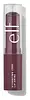
e.l.f. cosmetics Hydrating Core Lip Shine Versus Eadem Le Chouchou Exfoliating + Softening Peptide Lip Balm
This lip moisturizer is formulated around Bis-Diglyceryl Polyacyladipate-2 and Neopentyl Glycol Diethylhexanoate to hydrate lips.
This smoothing lip moisturizer is formulated around Lactic Acid and Palmitoyl Tripeptide-1 to refine skin texture.

What's inside
What's inside
 Key Ingredients
Benefits
Concerns
Ingredients Side-by-side
Diisostearyl Malate
EmollientBis-Diglyceryl Polyacyladipate-2
Emollient


Phytosteryl/Isostearyl/Cetyl/Stearyl/Behenyl Dimer Dilinoleate
Skin Conditioning
Octyldodecanol
Emollient
Polyisobutene
Polyethylene
Abrasive

Pentaerythrityl Tetraisostearate
Emollient
Neopentyl Glycol Diethylhexanoate
Emollient
Isotridecyl Isononanoate
EmollientMicrocrystalline Wax
Emulsion StabilisingPentaerythrityl Adipate/Caprate/Caprylate/Heptanoate
EmollientIsostearic Acid
Cleansing
Dibutyl Lauroyl Glutamide
Skin ConditioningParfum
Masking


Dibutyl Ethylhexanoyl Glutamide
Skin ConditioningCaprylyl Glycol
Emollient
Tocopheryl Acetate
Antioxidant


Ethylhexylglycerin
Skin ConditioningHexyl Cinnamal
Perfuming
Linalool
Perfuming
Triethoxycaprylylsilane

Diisostearyl Malate, Bis-Diglyceryl Polyacyladipate-2, Phytosteryl/Isostearyl/Cetyl/Stearyl/Behenyl Dimer Dilinoleate, Octyldodecanol, Polyisobutene, Polyethylene, Pentaerythrityl Tetraisostearate, Neopentyl Glycol Diethylhexanoate, Isotridecyl Isononanoate, Microcrystalline Wax, Pentaerythrityl Adipate/Caprate/Caprylate/Heptanoate, Isostearic Acid, Dibutyl Lauroyl Glutamide, Parfum, Dibutyl Ethylhexanoyl Glutamide, Caprylyl Glycol, Tocopheryl Acetate, Ethylhexylglycerin, Hexyl Cinnamal, Linalool, Triethoxycaprylylsilane
Hydrogenated Polyisobutene
EmollientDiisostearyl Malate
EmollientTridecyl Trimellitate
EmollientPhytosteryl/Isostearyl/Cetyl/Stearyl/Behenyl Dimer Dilinoleate
Skin Conditioning
Bis-Diglyceryl Polyacyladipate-2
Emollient
Methyl Hydrogenated Rosinate
Perfuming
Polyphenylsilsesquioxane
Pentaerythrityl Tetraisostearate
Emollient
Ethylene/Propylene/Styrene Copolymer
Synthetic Wax
Abrasive
Silica Silylate
Emollient
Vp/Hexadecene Copolymer
Hibiscus Sabdariffa Flower Extract
Skin ConditioningButyrospermum Parkii Butter
Skin Conditioning
Euterpe Oleracea Fruit Oil
Skin Conditioning
Schinziophyton Rautanenii Kernel Oil
Emollient
Tocopherol
Antioxidant


Microcrystalline Wax
Emulsion StabilisingMoringa Oil/Hydrogenated Moringa Oil Esters
Skin Conditioning
Isostearyl Alcohol
Emollient
Water
Skin ConditioningEthylhexyl Palmitate
Emollient
Octyldodecanol
Emollient
Aroma
Caprylic/Capric Triglyceride
Masking
Tribehenin
Emollient
Sorbitan Isostearate
Emulsifying
Propylene Carbonate
SolventStearalkonium Hectorite
Gel FormingLactic Acid
Buffering



Palmitoyl Hexapeptide-12
Skin Conditioning
Palmitoyl Tripeptide-1
Skin Conditioning
Butylene/Ethylene/Styrene Copolymer
Pentaerythrityl Tetra-Di-T-Butyl Hydroxyhydrocinnamate
Antioxidant
Linalool
Perfuming
Iron Oxides
CI 77891
Cosmetic ColorantCI 15850
Cosmetic ColorantCI 19140
Cosmetic ColorantHydrogenated Polyisobutene, Diisostearyl Malate, Tridecyl Trimellitate, Phytosteryl/Isostearyl/Cetyl/Stearyl/Behenyl Dimer Dilinoleate, Bis-Diglyceryl Polyacyladipate-2, Methyl Hydrogenated Rosinate, Polyphenylsilsesquioxane, Pentaerythrityl Tetraisostearate, Ethylene/Propylene/Styrene Copolymer, Synthetic Wax, Silica Silylate, Vp/Hexadecene Copolymer, Hibiscus Sabdariffa Flower Extract, Butyrospermum Parkii Butter, Euterpe Oleracea Fruit Oil, Schinziophyton Rautanenii Kernel Oil, Tocopherol, Microcrystalline Wax, Moringa Oil/Hydrogenated Moringa Oil Esters, Isostearyl Alcohol, Water, Ethylhexyl Palmitate, Octyldodecanol, Aroma, Caprylic/Capric Triglyceride, Tribehenin, Sorbitan Isostearate, Propylene Carbonate, Stearalkonium Hectorite, Lactic Acid, Palmitoyl Hexapeptide-12, Palmitoyl Tripeptide-1, Butylene/Ethylene/Styrene Copolymer, Pentaerythrityl Tetra-Di-T-Butyl Hydroxyhydrocinnamate, Linalool, Iron Oxides, CI 77891, CI 15850, CI 19140
Reviews
Ingredients Explained
These ingredients are found in both products.
Ingredients higher up in an ingredient list are typically present in a larger amount.
Bis-Diglyceryl Polyacyladipate-2 is a synthetic emollient that works as a lanolin substitute.
This ingredient is a great vegan option for those avoiding animal-derived ingredients.
It mostly stays on the surface of skin where it helps hydrate due to its large molecular size and low water solubility.
Due to it being derived from fatty acids, this ingredient may not be Malassezia or fungal acne safe.
Learn more about Bis-Diglyceryl Polyacyladipate-2Diisostearyl Malate is an emollient and most often used in lip products. It comes from isostearyl alcohol, a fatty acid, and malic acid, an AHA.
As an emollient, Diisostearyl Malate helps create a thin film on your skin to trap moisture in. This helps keep your skin soft and smooth.
Linalool is a fragrance and helps add scent to products. It's derived from common plants such as cinnamon, mint, citrus, and lavender.
Like Limonene, this ingredient oxidizes when exposed to air. Oxidized linalool can cause allergies and skin sensitivity.
This ingredient has a scent that is floral, spicy tropical, and citrus-like.
Learn more about LinaloolMicrocrystalline Wax is derived from petroleum through a de-oiling process, then highly refined and purified before use in cosmetics.
In skincare formulations, it is used to improve texture and create a smooth, even consistency. It also helps stabilize products by preventing ingredients from separating.
Octyldodecanol is a fatty alcohol sourced from plant oils like coconut or palm (or made synthetically).
It is:
You'll likely see this in many BHA products because this is the go-to solvent for salicylic acid.
This ingredient is typically used at levels between 2-20%.
Regarding fungal acne:
In 2019, this ingredient was tested against multiple Malassezia species (the yeast that causes fungal acne) and showed no growth.
Pentaerythrityl Tetraisostearate is a synthetic emollient and "skin-feel" ingredient that spreads well and leaves a non-sticky finish with high gloss.
In makeup, it also doubles as a pigment-wetting agent for better color payoff.
It's a well-vetted ingredient for safety and does not penetrate into skin due to its large molecule size.
Because it's a long-chain fatty acid ester, this ingredient may not be fungal acne or Malassezia safe.
Learn more about Pentaerythrityl TetraisostearateThis is a plant-derived ester that functions as a skin conditioner. It's basically a two linoleic acid molecules combined with fatty alcohols.
In practice, it works as a rich emollient that helps reduce moisture loss and give skin a soft appearance.
The phytosterol part of this ingredient brings an added structural bonus: phytosterols are structurally similar to cholesterol so they can fit right into the stratum corneum's lipid matrix to help reinforce the skin barrier.
Due to its molecular structure, this ingredient delivers a cushiony and glossy feeling without being excessively greasy.
It did not produce skin irritation or sensitization in clinical studies, and this ingredient is deemed safe to use in cosmetics at current practices.
Because this ingredient contains C16, C18, and C22 fatty chains, it may not be Malassezia/fungal acne safe. The Malassezia yeast potentially feeds on fatty acids in the C11-C24 range.
Learn more about Phytosteryl/Isostearyl/Cetyl/Stearyl/Behenyl Dimer Dilinoleate

