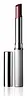
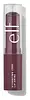
This lip moisturizer is formulated around Bis-Diglyceryl Polyacyladipate-2 and Neopentyl Glycol Diethylhexanoate to hydrate lips.

What's inside
What's inside
 Key Ingredients
Benefits
Concerns
Ingredients Side-by-side
Ricinus Communis Seed Oil
Masking




Glyceryl Triacetyl Ricinoleate
Emollient
Cetyl Ricinoleate
Emollient
Euphorbia Cerifera Cera
Astringent
Copernicia Cerifera Cera
Emollient
Polyethylene
Abrasive

Tocopheryl Acetate
Antioxidant


Pentaerythrityl Tetra-Di-T-Butyl Hydroxyhydrocinnamate
Antioxidant
CI 77120
Cosmetic ColorantCI 19140
Cosmetic ColorantCI 42090
Cosmetic ColorantCI 77491
Cosmetic ColorantCI 77492
Cosmetic ColorantCI 77499
Cosmetic ColorantCI 15850
Cosmetic ColorantMica
Cosmetic ColorantCI 75470
Cosmetic ColorantCI 77891
Cosmetic ColorantCI 45380
Cosmetic ColorantCI 73360
Cosmetic ColorantCI 15985
Cosmetic ColorantCI 77163
Cosmetic Colorant
CI 17200
Cosmetic ColorantCI 45410
Cosmetic ColorantRicinus Communis Seed Oil, Glyceryl Triacetyl Ricinoleate, Cetyl Ricinoleate, Euphorbia Cerifera Cera, Copernicia Cerifera Cera, Polyethylene, Tocopheryl Acetate, Pentaerythrityl Tetra-Di-T-Butyl Hydroxyhydrocinnamate, CI 77120, CI 19140, CI 42090, CI 77491, CI 77492, CI 77499, CI 15850, Mica, CI 75470, CI 77891, CI 45380, CI 73360, CI 15985, CI 77163, CI 17200, CI 45410
Diisostearyl Malate
EmollientBis-Diglyceryl Polyacyladipate-2
Emollient
Phytosteryl/Isostearyl/Cetyl/Stearyl/Behenyl Dimer Dilinoleate
Skin Conditioning
Octyldodecanol
Emollient
Polyisobutene
Polyethylene
Abrasive
Pentaerythrityl Tetraisostearate
Emollient
Neopentyl Glycol Diethylhexanoate
Emollient
Isotridecyl Isononanoate
EmollientMicrocrystalline Wax
Emulsion StabilisingPentaerythrityl Adipate/Caprate/Caprylate/Heptanoate
EmollientIsostearic Acid
Cleansing
Dibutyl Lauroyl Glutamide
Skin ConditioningParfum
Masking

Dibutyl Ethylhexanoyl Glutamide
Skin ConditioningCaprylyl Glycol
Emollient
Tocopheryl Acetate
Antioxidant
Ethylhexylglycerin
Skin ConditioningHexyl Cinnamal
Perfuming
Linalool
Perfuming
Triethoxycaprylylsilane

Diisostearyl Malate, Bis-Diglyceryl Polyacyladipate-2, Phytosteryl/Isostearyl/Cetyl/Stearyl/Behenyl Dimer Dilinoleate, Octyldodecanol, Polyisobutene, Polyethylene, Pentaerythrityl Tetraisostearate, Neopentyl Glycol Diethylhexanoate, Isotridecyl Isononanoate, Microcrystalline Wax, Pentaerythrityl Adipate/Caprate/Caprylate/Heptanoate, Isostearic Acid, Dibutyl Lauroyl Glutamide, Parfum, Dibutyl Ethylhexanoyl Glutamide, Caprylyl Glycol, Tocopheryl Acetate, Ethylhexylglycerin, Hexyl Cinnamal, Linalool, Triethoxycaprylylsilane
Reviews
Ingredients Explained
These ingredients are found in both products.
Ingredients higher up in an ingredient list are typically present in a larger amount.
Polyethylene is a synthetic ingredient that helps the skin retain moisture. It is a polymer.
It is also typically used within product formulations to help bind solid ingredients together and thicken oil-based ingredients. When added to balms and emulsions, it helps increase the melting point temperature.
Tocopheryl Acetate is a stable, shelf-friendly form of vitamin E.
Formulators love it because plain vitamin E oxidizes quickly once it hits air. This acetate version stays stable and resists going off, helping to extend a product's shelf life.
It's actually inactive on its own and works like a slow-release "storage" form; the enzymes in your skin called esterases gradually convert it into active vitamin E over time.
One in vivo study showed 5% of the acetate in the living layer of the epidermis converted to vitamin E after 5 days of application. This study also found the skin gained protection against UV damage even though the conversion was slow and small.
Once converted, vitamin E acts as a skin's main fat-soluble antioxidant that fights free radicals to protect skin from damage.
Topical vitamin E generally boosts the skin's photoprotection, and it reduced UV-damage in animal models.
This ingredient has some brightening potential but it's more of a prevention ingredient than spot-fader. Cell studies show it can slow down melanin production but it's worth noting that it's not the most powerful brightener out there.
Overall, it has a pretty solid safety profile and has been found to be non-irritating and non-comedogenic. Allergic reactions may happen but stay rare due to how widely the ingredient gets used.
The concentration will vary depending on the formula; industry data shows 0.1% in baby lotions, 3% in lipsticks, and 5% in foot powders. You can also find this ingredient at 100% in a pure vitamin E oil.
Most leave-on skincare keeps it at the lower end, often between 0.5-1%.
Learn more about Tocopheryl Acetate

