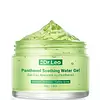
This calming moisturizer is formulated around Panthenol and Tranexamic Acid to calm redness and strengthen the skin barrier.
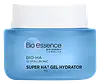
This barrier-repair moisturizer is formulated around Niacinamide and Hyaluronic Acid to strengthen the skin barrier and hydrate skin.


What's inside
What's inside
 Key Ingredients
Benefits
Concerns
Ingredients Side-by-side
Water
Skin ConditioningPanthenol
Skin Conditioning




Dipropylene Glycol
HumectantMethyl Gluceth-10
EmulsifyingPEG/PPG-17/6 Copolymer
Solvent1,2-Hexanediol
Skin Conditioning
Hydroxyacetophenone
Antioxidant
Carbomer
Emulsion StabilisingArginine
Masking
Allantoin
Skin Conditioning
Tranexamic Acid
Astringent


Portulaca Oleracea Extract
Skin Conditioning
Erythritol
Humectant
Butylene Glycol
Humectant
Isopentyldiol
Humectant
Glycerin
Humectant
Carboxymethyl Chitosan
Gel FormingPPG-26-Buteth-26
Skin ConditioningMadecassoside
Antioxidant

Ectoin
Skin Conditioning
Disodium EDTA
PEG-40 Hydrogenated Castor Oil
Emulsifying


Centella Asiatica Extract
Cleansing
Methyl Diisopropyl Propionamide
MaskingChlorella Vulgaris Extract
Skin ConditioningAsiaticoside
Antioxidant
Pentylene Glycol
Skin Conditioning
CI 19140
Cosmetic ColorantCI 42090
Cosmetic ColorantLactobacillus/Soymilk Ferment Filtrate
Skin ConditioningLaminaria Digitata Extract
Skin Protecting

Hydrogenated Lecithin
Emulsifying
Cetyl-Pg Hydroxyethyl Palmitamide
Skin ConditioningCeramide NP
Skin Conditioning
Cholesterol
Emollient
Ceramide Ns
Skin Conditioning
Ceramide As
Skin Conditioning
Ceramide AP
Skin Conditioning
Ceramide EOP
Skin Conditioning
Water, Panthenol, Dipropylene Glycol, Methyl Gluceth-10, PEG/PPG-17/6 Copolymer, 1,2-Hexanediol, Hydroxyacetophenone, Carbomer, Arginine, Allantoin, Tranexamic Acid, Portulaca Oleracea Extract, Erythritol, Butylene Glycol, Isopentyldiol, Glycerin, Carboxymethyl Chitosan, PPG-26-Buteth-26, Madecassoside, Ectoin, Disodium EDTA, PEG-40 Hydrogenated Castor Oil, Centella Asiatica Extract, Methyl Diisopropyl Propionamide, Chlorella Vulgaris Extract, Asiaticoside, Pentylene Glycol, CI 19140, CI 42090, Lactobacillus/Soymilk Ferment Filtrate, Laminaria Digitata Extract, Hydrogenated Lecithin, Cetyl-Pg Hydroxyethyl Palmitamide, Ceramide NP, Cholesterol, Ceramide Ns, Ceramide As, Ceramide AP, Ceramide EOP
Water
Skin ConditioningGlycerin
Humectant
Niacinamide
Smoothing



Butylene Glycol
Humectant
Dimethicone
Emollient
Isononyl Isononanoate
EmollientDimethiconol
Emollient
Hyaluronic Acid
Humectant
Hydrogenated Lecithin
Emulsifying
Betaine
Humectant
Carbomer
Emulsion StabilisingTromethamine
BufferingPanthenol
Skin Conditioning
PPG-26-Buteth-26
Skin ConditioningPEG-40 Hydrogenated Castor Oil
Emulsifying
Euglena Gracilis Extract
Skin ConditioningTocopherol
Antioxidant
1,2-Hexanediol
Skin Conditioning
Xanthan Gum
EmulsifyingCaprylyl Glycol
Emollient
Glucose
Humectant
Sodium Hyaluronate
Humectant
Chondrus Crispus Extract
Skin Conditioning
Sodium Hyaluronate Crosspolymer
Humectant
Sodium Acetylated Hyaluronate
Humectant
Potassium Hyaluronate
Skin ConditioningHydroxypropyltrimonium Hyaluronate
Hydrolyzed Sodium Hyaluronate
Skin Conditioning
Hydrolyzed Hyaluronic Acid
Humectant
Disodium EDTA
Parfum
Masking


Ethylhexylglycerin
Skin ConditioningPhenoxyethanol
Preservative
Chlorphenesin
Antimicrobial
CI 42090
Cosmetic ColorantWater, Glycerin, Niacinamide, Butylene Glycol, Dimethicone, Isononyl Isononanoate, Dimethiconol, Hyaluronic Acid, Hydrogenated Lecithin, Betaine, Carbomer, Tromethamine, Panthenol, PPG-26-Buteth-26, PEG-40 Hydrogenated Castor Oil, Euglena Gracilis Extract, Tocopherol, 1,2-Hexanediol, Xanthan Gum, Caprylyl Glycol, Glucose, Sodium Hyaluronate, Chondrus Crispus Extract, Sodium Hyaluronate Crosspolymer, Sodium Acetylated Hyaluronate, Potassium Hyaluronate, Hydroxypropyltrimonium Hyaluronate, Hydrolyzed Sodium Hyaluronate, Hydrolyzed Hyaluronic Acid, Disodium EDTA, Parfum, Ethylhexylglycerin, Phenoxyethanol, Chlorphenesin, CI 42090
Reviews
Ingredients Explained
These ingredients are found in both products.
Ingredients higher up in an ingredient list are typically present in a larger amount.
1,2-Hexanediol is a synthetic liquid and another multi-functional powerhouse.
It is a:
- Humectant, drawing moisture into the skin
- Emollient, helping to soften skin
- Solvent, dispersing and stabilizing formulas
- Preservative booster, enhancing the antimicrobial activity of other preservatives
Butylene Glycol (or BG) is used within cosmetic products for a few different reasons:
Overall, Butylene Glycol is a safe and well-rounded ingredient that works well with other ingredients.
Though this ingredient works well with most skin types, some people with sensitive skin may experience a reaction such as allergic rashes, closed comedones, or itchiness.
Learn more about Butylene GlycolCarbomer is a synthetic thickening and gelling agent. It's basically the ingredient that gives a lot of serums, gels, creams, and sunscreens their smooth, non-sticky texture.
Although legally permitted at very high levels, carbomers are normally used at concentrations below 1%.
It also needs to be neutralized to actually thicken, and because it is a large molecule, it doesn't really penetrate the skin barrier.
Allergy-wise, the risk is very low. Clinical studies show carbomers have low potential for skin irritation/sensitization even at concentrations up to 100%.
A 2024 UK study patch-tested 1,302 patients and found true allergy to the parent group of carbomer to be rare with no confirmed relevant reactions.
Learn more about CarbomerCi 42090 is a synthetic dye created from petroleum. It is used to give a bright blue color to cosmetics, medicine, and food.
Disodium EDTA is a chelating agent. It grabs onto and deactivates metal ions that sneak into your products from water, packaging, or air.
This ingredient mainly works behind the scenes and helps with:
On top of that, this ingredient can counteract the effects of hard water by binding to the minerals in it.
One thing worth knowing is that Disodium EDTA has been shown to be a mild penetration enhancer. It can help other ingredients absorb into skin more effectively which can be a double-edged sword (great for actives, but can also make the active too strong if you have sensitive skin).
Clinical patch testing showed no significant skin irritation at typical use concentrations and minimal dermal absorption.
You'll most likely see this ingredient near the end of an ingredient list. It's typically found in concentrations less than 1%.
Learn more about Disodium EDTAGlycerin (or glycerol) is a compound naturally found in your skin. It's a powerhouse humectant that pulls water into the stratum corneum.
Topically, glycerin does several things at once:
Your skin makes glycerin on its own (mostly from sebaceous oil breakdown) and shuttles it to your outermost layer of skin, or your epidermis, via aquaporin-3.
Aquaporin-3 is a transporter that is essential for normal skin hydration, elasticity, and repair. Interestingly, mice lacking in AQP3 have dry and less elastic skin that can be fully corrected with glycerin.
This ingredient is non-irritating, plays well with almost every ingredient, and works across all skin types. Typical use is anywhere between 3-10% but can go up to 79% in some leave-on products.
Just know very high concentrations (>40%) can feel tacky in low humidity.
Glycerin is the name for this ingredient in American English. British English uses Glycerol/Glycerine.
Learn more about GlycerinHydrogenated Lecithin is a more stable version of lecithin.
It's made by taking lecithin (a phospholipid commonly found in soybeans and egg yolks) and hydrogenating it. This just means the unsaturated fatty acids are turned into saturated ones so they don't go bad as easily.
This ingredient is an emollient, emulsifier, and penetration enhancer. As an emollient, it helps soften and hydrate skin by trapping moisture within. As an emulsifier, it prevents oil and water ingredients from separating.
Hydrogenated Lecithin can form tiny spherical structures made of phospholipid bilayers called liposomes. These liposomes are able to capture compounds inside their structure and deliver them through the skin barrier.
Because phospholipids are a natural component of our cell membranes, this ingredient is inherently compatible with skin.
A 2021 study found lecithin-based surfactants were less harsh and more tolerable comared to Sodium Lauryl Sulfate (SLS).
Learn more about Hydrogenated LecithinPanthenol is a common ingredient that helps hydrate and soothe the skin. It is found naturally in our skin and hair.
There are two forms of panthenol: D and L.
D-panthenol is also known as dexpanthenol. Most cosmetics use dexpanthenol or a mixture of D and L-panthenol.
Panthenol is famous due to its ability to go deeper into the skin's layers. Using this ingredient has numerous pros (and no cons):
Like hyaluronic acid, panthenol is a humectant. Humectants are able to bind and hold large amounts of water to keep skin hydrated.
This ingredient works well for wound healing. It works by increasing tissue in the wound and helps close open wounds.
Once oxidized, panthenol converts to pantothenic acid. Panthothenic acid is found in all living cells.
This ingredient is also referred to as pro-vitamin B5.
Learn more about PanthenolPEG-40 Hydrogenated Castor Oil is an emulsifier derived from castor oil.
As an emulsifying agent, it helps other ingredients like fragrances and fat-soluble vitamins dissolve cohesively.
Due to its large molecule size, it doesn't penetrate beyond the skin's surface.
This ingredient has a solid regulatory track record; the CIR Expert Panel first concluded it was safe for use in cosmetics at concentrations up to 100% in 1997. A 2012 reassessment reaffirmed that finding. Safety studies have also found no irritation or evidence of toxicity.
A 2019 study did find this ingredient to grow Malassezia, so this ingredient may not be fungal acne safe.
Learn more about PEG-40 Hydrogenated Castor OilWe don't have a description for PPG-26-Buteth-26 yet.
Water. It's the most common cosmetic ingredient of all. You'll usually see it at the top of ingredient lists, meaning that it makes up the largest part of the product.
So why is it so popular? Water most often acts as a solvent - this means that it helps dissolve other ingredients into the formulation.
You'll also recognize water as that liquid we all need to stay alive. If you see this, drink a glass of water. Remember to stay hydrated!
Learn more about Water

