

What's inside
What's inside
 Key Ingredients
Benefits
Concerns
Ingredients Side-by-side
Water
Skin ConditioningCyclopentasiloxane
Emollient
Zinc Oxide
Cosmetic Colorant


Propanediol
Solvent

Titanium Dioxide
Cosmetic Colorant
Butylene Glycol Dicaprylate/Dicaprate
EmollientLauryl Polyglyceryl-3 Polydimethylsiloxyethyl Dimethicone
Skin Conditioning
Methyl Methacrylate Crosspolymer
Butyloctyl Salicylate
Skin Conditioning
Caprylyl Methicone
Skin Conditioning
Citrus Aurantium Dulcis Oil
Masking
Citrus Nobilis Peel Oil
Masking
Litsea Cubeba Fruit Oil
Masking


1,2-Hexanediol
Skin Conditioning
Disteardimonium Hectorite
StabilisingMagnesium Sulfate
Stearic Acid
Cleansing


Aluminum Hydroxide
EmollientPolyglyceryl-3 Polydimethylsiloxyethyl Dimethicone
Skin Conditioning
Triethoxycaprylylsilane
Sorbitan Caprylate
EmulsifyingGlyceryl Caprylate
EmollientEthylhexylglycerin
Skin ConditioningTocopherol
Antioxidant





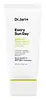
Water, Cyclopentasiloxane, Zinc Oxide, Propanediol, Titanium Dioxide, Butylene Glycol Dicaprylate/Dicaprate, Lauryl Polyglyceryl-3 Polydimethylsiloxyethyl Dimethicone, Methyl Methacrylate Crosspolymer, Butyloctyl Salicylate, Caprylyl Methicone, Citrus Aurantium Dulcis Oil, Citrus Nobilis Peel Oil, Litsea Cubeba Fruit Oil, 1,2-Hexanediol, Disteardimonium Hectorite, Magnesium Sulfate, Stearic Acid, Aluminum Hydroxide, Polyglyceryl-3 Polydimethylsiloxyethyl Dimethicone, Triethoxycaprylylsilane, Sorbitan Caprylate, Glyceryl Caprylate, Ethylhexylglycerin, Tocopherol
Water
Skin ConditioningHomosalate
Skin Conditioning
Octocrylene
UV Absorber
Propylene Glycol
Humectant
Ethylhexyl Salicylate
UV Absorber
Dicaprylyl Ether
Emollient
Glycerin
Humectant
Butyl Methoxydibenzoylmethane
UV Absorber
PEG-100 Stearate
Surfactant
Glyceryl Stearate
Emollient
Squalane
Emollient
Hydrogenated Polyisobutene
EmollientPhenoxyethanol
Preservative
Sorbitan Oleate
Emulsifying
Caprylyl Glycol
Emollient
Acrylates/C10-30 Alkyl Acrylate Crosspolymer
Emulsion StabilisingTriethanolamine
BufferingBeeswax
Emulsion Stabilising
Tocopherol
Antioxidant
Disodium EDTA
Stearic Acid
Cleansing
Myristyl Alcohol
Emollient
Prunus Amygdalus Dulcis Oil
Skin Conditioning
Prunus Armeniaca Kernel Oil
Masking
Persea Gratissima Oil
Skin Conditioning
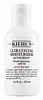
Water, Homosalate, Octocrylene, Propylene Glycol, Ethylhexyl Salicylate, Dicaprylyl Ether, Glycerin, Butyl Methoxydibenzoylmethane, PEG-100 Stearate, Glyceryl Stearate, Squalane, Hydrogenated Polyisobutene, Phenoxyethanol, Sorbitan Oleate, Caprylyl Glycol, Acrylates/C10-30 Alkyl Acrylate Crosspolymer, Triethanolamine, Beeswax, Tocopherol, Disodium EDTA, Stearic Acid, Myristyl Alcohol, Prunus Amygdalus Dulcis Oil, Prunus Armeniaca Kernel Oil, Persea Gratissima Oil
Reviews
Ingredients Explained
These ingredients are found in both products.
Ingredients higher up in an ingredient list are typically present in a larger amount.
Stearic Acid is a fatty acid that is already found in your skin. It's one of the free fatty acids that works alongside ceramides and cholesterols to maintain your barrier.
In cosmetics, it is a multitasker:
Safety-wise, the CIR Expert Panel has concluded it to be safe in cosmetics when formulated to be non-irritating and non-sensitizing.
Free stearic acid is a C18 fatty acid that the Malassezia yeast can substrate, so this ingredient may not be fungal acne safe.
Learn more about Stearic AcidTocopherol is a fat-soluble antioxidant known as Vitamin E.
You'll find this ingredient in the vast majority of skincare (for good reason). It works to neutralize free radicals, or unstable molecules generated by UV exposure, pollution, and other environmental stressors, before they can cause oxidative damage to your skin cells.
Topically applied tocopherol has been shown to protect against UV damage by ramping up the skin's own natural defense enzymes.
It also acts as a skin conditioning agent; some studies show that regular topical use can improve the skin's water-binding capacity over 2-4 weeks.
This ingredient is especially loved for being a team player. When combined with Vitamin C, the photoprotective effect of both ingredients roughly doubles and the combo also helps reduce UV-induced DNA damage.
This ingredient has some brightening potential but it's more of a prevention ingredient than spot-fader. Cell studies show it can slow down melanin production but it's worth noting that it's not the most powerful brightener out there.
In formulations, it also serves as a stabilizer that helps protect other oxidation-prone ingredients from degrading.
Concentrations usually range from 0.1-1% in most leave-on products.
Learn more about TocopherolWater. It's the most common cosmetic ingredient of all. You'll usually see it at the top of ingredient lists, meaning that it makes up the largest part of the product.
So why is it so popular? Water most often acts as a solvent - this means that it helps dissolve other ingredients into the formulation.
You'll also recognize water as that liquid we all need to stay alive. If you see this, drink a glass of water. Remember to stay hydrated!
Learn more about Water

