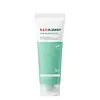
This salicylic acid foaming cleanser is formulated around Salicylic Acid to clear breakouts and unclog pores.
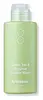
This smoothing exfoliator is formulated around Papain to refine skin texture.

What's inside
What's inside
 Key Ingredients
Benefits
Concerns
Ingredients Side-by-side
Water
Skin ConditioningSodium Cocoyl Isethionate
Cleansing
Glycerin
Humectant


Coco-Betaine
Cleansing
Glyceryl Stearate
Emollient

Stearyl Alcohol
Emollient
Sodium Methyl Cocoyl Taurate
Cleansing
Sodium Chloride
MaskingButylene Glycol
Humectant
Potassium Cocoyl Glycinate
Surfactant
Coco-Glucoside
Cleansing
Salicylic Acid
Masking









Caprylyl Glycol
Emollient
Disodium EDTA
1,2-Hexanediol
Skin Conditioning
Quillaja Saponaria Bark Extract
CleansingGaultheria Procumbens Leaf Extract
Perfuming
Butyl Avocadate
Skin Conditioning
Bifida Ferment Lysate
Skin Conditioning

Lactobacillus
Skin ConditioningLeuconostoc/Radish Root Ferment Filtrate
Antimicrobial
Centella Asiatica Extract
Cleansing
Glycine
Buffering
Serine
Masking
Glutamic Acid
Humectant
Madecassoside
Antioxidant
Sodium Hyaluronate
Humectant
Aspartic Acid
Masking
Leucine
Skin ConditioningAlanine
Masking
Lysine
Skin ConditioningArginine
Masking
Tyrosine
MaskingPhenylalanine
Masking
Proline
Skin Conditioning
Threonine
Valine
MaskingIsoleucine
Skin ConditioningHistidine
Humectant
Cysteine
Antioxidant
Methionine
Skin ConditioningHydroxypropyltrimonium Hyaluronate
Ethylhexylglycerin
Skin ConditioningPropyl Gallate
Antioxidant
Hydrolyzed Hyaluronic Acid
Humectant
Sodium Acetylated Hyaluronate
Humectant
Asiaticoside
Antioxidant
Asiatic Acid
Skin Conditioning
Madecassic Acid
Skin Conditioning
Hyaluronic Acid
Humectant
Oxygen
Skin ConditioningHydrolyzed Sodium Hyaluronate
Skin Conditioning
Sodium Hyaluronate Crosspolymer
Humectant
Potassium Hyaluronate
Skin ConditioningWater, Sodium Cocoyl Isethionate, Glycerin, Coco-Betaine, Glyceryl Stearate, Stearyl Alcohol, Sodium Methyl Cocoyl Taurate, Sodium Chloride, Butylene Glycol, Potassium Cocoyl Glycinate, Coco-Glucoside, Salicylic Acid, Caprylyl Glycol, Disodium EDTA, 1,2-Hexanediol, Quillaja Saponaria Bark Extract, Gaultheria Procumbens Leaf Extract, Butyl Avocadate, Bifida Ferment Lysate, Lactobacillus, Leuconostoc/Radish Root Ferment Filtrate, Centella Asiatica Extract, Glycine, Serine, Glutamic Acid, Madecassoside, Sodium Hyaluronate, Aspartic Acid, Leucine, Alanine, Lysine, Arginine, Tyrosine, Phenylalanine, Proline, Threonine, Valine, Isoleucine, Histidine, Cysteine, Methionine, Hydroxypropyltrimonium Hyaluronate, Ethylhexylglycerin, Propyl Gallate, Hydrolyzed Hyaluronic Acid, Sodium Acetylated Hyaluronate, Asiaticoside, Asiatic Acid, Madecassic Acid, Hyaluronic Acid, Oxygen, Hydrolyzed Sodium Hyaluronate, Sodium Hyaluronate Crosspolymer, Potassium Hyaluronate
Sodium Bicarbonate
Abrasive
Sodium Lauroyl Glutamate
SurfactantZea Mays Starch
Absorbent
Sodium Cocoyl Isethionate
Cleansing
Coconut Acid
Cleansing
Camellia Sinensis Leaf Powder
Water
Skin ConditioningSodium Isethionate
CleansingPapain
Skin Conditioning
Zinc Oxide
Cosmetic Colorant

Lysine Hcl
Skin Conditioning
Sodium Ascorbyl Phosphate
Antioxidant
Acetyl Methionine
Skin Conditioning
Theanine
EmollientProline
Skin Conditioning
Betaine
Humectant
Cellulose Gum
Emulsion StabilisingCitric Acid
Buffering
Carica Papaya Fruit Extract
Skin ConditioningSorbitol
Humectant
Glycerin
Humectant
Butylene Glycol
Humectant
1,2-Hexanediol
Skin Conditioning
Sodium Hyaluronate
Humectant
Sodium Bicarbonate, Sodium Lauroyl Glutamate, Zea Mays Starch, Sodium Cocoyl Isethionate, Coconut Acid, Camellia Sinensis Leaf Powder, Water, Sodium Isethionate, Papain, Zinc Oxide, Lysine Hcl, Sodium Ascorbyl Phosphate, Acetyl Methionine, Theanine, Proline, Betaine, Cellulose Gum, Citric Acid, Carica Papaya Fruit Extract, Sorbitol, Glycerin, Butylene Glycol, 1,2-Hexanediol, Sodium Hyaluronate
Reviews
Ingredients Explained
These ingredients are found in both products.
Ingredients higher up in an ingredient list are typically present in a larger amount.
1,2-Hexanediol is a synthetic liquid and another multi-functional powerhouse.
It is a:
- Humectant, drawing moisture into the skin
- Emollient, helping to soften skin
- Solvent, dispersing and stabilizing formulas
- Preservative booster, enhancing the antimicrobial activity of other preservatives
Butylene Glycol (or BG) is used within cosmetic products for a few different reasons:
Overall, Butylene Glycol is a safe and well-rounded ingredient that works well with other ingredients.
Though this ingredient works well with most skin types, some people with sensitive skin may experience a reaction such as allergic rashes, closed comedones, or itchiness.
Learn more about Butylene GlycolGlycerin (or glycerol) is a compound naturally found in your skin. It's a powerhouse humectant that pulls water into the stratum corneum.
Topically, glycerin does several things at once:
Your skin makes glycerin on its own (mostly from sebaceous oil breakdown) and shuttles it to your outermost layer of skin, or your epidermis, via aquaporin-3.
Aquaporin-3 is a transporter that is essential for normal skin hydration, elasticity, and repair. Interestingly, mice lacking in AQP3 have dry and less elastic skin that can be fully corrected with glycerin.
This ingredient is non-irritating, plays well with almost every ingredient, and works across all skin types. Typical use is anywhere between 3-10% but can go up to 79% in some leave-on products.
Just know very high concentrations (>40%) can feel tacky in low humidity.
Glycerin is the name for this ingredient in American English. British English uses Glycerol/Glycerine.
Learn more about GlycerinProline is a non-essential amino acid, meaning your body can make it on its own. In skincare, it is a skin conditioning ingredient that keeps skin soft and hydrated.
It makes up about 23% of the collagen molecule (collagen is the protein responsible for keeping your skin firm) and is involved in your skin's natural hyaluronic acid production. When applied topically, proline can penetrate the skin fairly well due to its small molecular size.
Reviews of this ingredient have found it to be neither a dermal irritant nor a sensitizer.
Fun fact: Proline can be found in protein-rich foods like meat, fish, eggs, and dairy.
Learn more about ProlineSodium cocoyl isethionate is a natural ingredient from coconut oil. It is an ultra gentle cleanser that gives a nice foam without drying the skin or impacting the skin barrier.
The amount of foam created depends on the amount of sodium cocoyl isethionate used in the product.
This ingredient also helps improve the spreadability of a product.
This ingredient hasn’t been shown in studies to feed fungal acne yeast.
Learn more about Sodium Cocoyl IsethionateSodium Hyaluronate is the salt form of hyaluronic acid. It is a long sugar chain that is naturally found in your skin, joints, and connective tissue that maintains hydration and elasticity.
In skincare, it works as a humectant. It pulls water from the environment and deeper layers of skin and binds it to the surface.
Interestingly, the size of the molecule affects its behavior:
Some clinical evidence links low molecular weight versions to improved wrinkle depth, elasticity, anti-inflammatory effects, and barrier repair.
Many serums use a blend of both weights so you can get surface hydration plus longer-lasting and deeper effects.
You'll typically see concentrations between 0.1-2% for this ingredient.
Learn more about Sodium HyaluronateWater. It's the most common cosmetic ingredient of all. You'll usually see it at the top of ingredient lists, meaning that it makes up the largest part of the product.
So why is it so popular? Water most often acts as a solvent - this means that it helps dissolve other ingredients into the formulation.
You'll also recognize water as that liquid we all need to stay alive. If you see this, drink a glass of water. Remember to stay hydrated!
Learn more about Water

