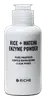
This oil-control exfoliator is formulated around Camellia Sinensis Leaf Extract to balance excess oil.
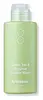
This smoothing exfoliator is formulated around Papain to refine skin texture.


What's inside
What's inside
 Key Ingredients
Benefits
Concerns
Ingredients Side-by-side
Oryza Sativa Starch
AbsorbentGlucose
Humectant

Oryza Sativa Powder
Sodium Cocoyl Isethionate
Cleansing
Zea Mays Starch
Absorbent
Propolis Extract
Skin Conditioning




Carica Papaya Fruit Extract
Skin ConditioningSorbitol
Humectant
Allantoin
Skin Conditioning
Xanthan Gum
EmulsifyingMentha Arvensis Powder
MaskingSodium Ascorbyl Phosphate
Antioxidant





Parfum
Masking




Ribes Nigrum Fruit Extract
Astringent
Tanacetum Annuum Flower Oil
Masking
Maltodextrin
Absorbent
Saccharomyces/Collagen/Pineapple Fruit Juice Ferment Filtrate
Emollient
Hydrolyzed Carrot Extract
Skin ConditioningCamellia Sinensis Leaf Extract
Antimicrobial
Lactobacillus
Skin ConditioningLeuconostoc/Radish Root Ferment Filtrate
Antimicrobial
Sodium Benzoate
Masking
Potassium Sorbate
Preservative
Oryza Sativa Starch, Glucose, Oryza Sativa Powder, Sodium Cocoyl Isethionate, Zea Mays Starch, Propolis Extract, Carica Papaya Fruit Extract, Sorbitol, Allantoin, Xanthan Gum, Mentha Arvensis Powder, Sodium Ascorbyl Phosphate, Parfum, Ribes Nigrum Fruit Extract, Tanacetum Annuum Flower Oil, Maltodextrin, Saccharomyces/Collagen/Pineapple Fruit Juice Ferment Filtrate, Hydrolyzed Carrot Extract, Camellia Sinensis Leaf Extract, Lactobacillus, Leuconostoc/Radish Root Ferment Filtrate, Sodium Benzoate, Potassium Sorbate
Sodium Bicarbonate
Abrasive
Sodium Lauroyl Glutamate
SurfactantZea Mays Starch
Absorbent
Sodium Cocoyl Isethionate
Cleansing
Coconut Acid
Cleansing
Camellia Sinensis Leaf Powder
Water
Skin ConditioningSodium Isethionate
CleansingPapain
Skin Conditioning
Zinc Oxide
Cosmetic Colorant

Lysine Hcl
Skin Conditioning
Sodium Ascorbyl Phosphate
Antioxidant
Acetyl Methionine
Skin Conditioning
Theanine
EmollientProline
Skin Conditioning
Betaine
Humectant
Cellulose Gum
Emulsion StabilisingCitric Acid
Buffering
Carica Papaya Fruit Extract
Skin ConditioningSorbitol
Humectant
Glycerin
Humectant
Butylene Glycol
Humectant
1,2-Hexanediol
Skin Conditioning
Sodium Hyaluronate
Humectant
Sodium Bicarbonate, Sodium Lauroyl Glutamate, Zea Mays Starch, Sodium Cocoyl Isethionate, Coconut Acid, Camellia Sinensis Leaf Powder, Water, Sodium Isethionate, Papain, Zinc Oxide, Lysine Hcl, Sodium Ascorbyl Phosphate, Acetyl Methionine, Theanine, Proline, Betaine, Cellulose Gum, Citric Acid, Carica Papaya Fruit Extract, Sorbitol, Glycerin, Butylene Glycol, 1,2-Hexanediol, Sodium Hyaluronate
Reviews
Ingredients Explained
These ingredients are found in both products.
Ingredients higher up in an ingredient list are typically present in a larger amount.
Carica Papaya Fruit Extract comes from the flesh of the papaya. It's a skin conditioning agent that carries a mix of bioactives like papain, beta-carotene, and vitamin C.
These bioactive compounds give it two main talking points:
1. Papain is a proteolytic enzyme that provides mild exfoliation, helping skin look smoother and more even.
2. The carotenoids and vitamin C provide some antioxidant activity.
It's pretty compatible with most ingredients, but just sure to space out enzyme products with strong acids/retinoids to avoid over-doing it.
Maximum reported concentration is around 0.1% and most leave-on products use just 0.05%. If you see higher figures like 5-10%, this is usually the pre-diluted material from raw extract suppliers.
This ingredient has an assuring safety record and there's a lack of clinical case reports of dermatitis from using it.
The only caveat is allergy: patch test if you have a papaya or latex-fruit allergy.
Learn more about Carica Papaya Fruit ExtractSodium Ascorbyl Phosphate (SAP) is a water-soluble form of Vitamin C. It is the salt of ascorbic acid.
This ingredient is commonly used in skincare because it's more formulation-stable while still offering the same benefits as pure ascorbic acid. Ascorbic acid is notorious for breaking down when exposed to sunlight and oxygen whereas SAP has been shown to be more stable.
Studies show SAP has anti-acne and antioxidant benefits. One study found 5% of SAP lotion to be an effective ingredient for treating acne vulgaris. This is because research shows that SAP may help control acne by reducing acne-causing bacteria and slowing the oxidation of skin oils caused by UV exposure.
In addition to acne, vitamin C is important for skin structure. Lab studies suggest SAP may support collagen production in skin cells, making it a great ingredient in anti-aging routines.
Vitamin C has many benefits: it helps reduce redness, improve skin texture, fade the appearance of dark spots, and brighten the skin.
Read more about other types of Vitamin C:
Learn more about Sodium Ascorbyl PhosphateSodium cocoyl isethionate is a natural ingredient from coconut oil. It is an ultra gentle cleanser that gives a nice foam without drying the skin or impacting the skin barrier.
The amount of foam created depends on the amount of sodium cocoyl isethionate used in the product.
This ingredient also helps improve the spreadability of a product.
This ingredient hasn’t been shown in studies to feed fungal acne yeast.
Learn more about Sodium Cocoyl IsethionateSorbitol is a sugar alcohol. It is a hydrating and moisturizing agent created from the reduction process of glucose.
Most sorbitol is usually made from potato starch. It is also found in fruits such as apples and pears.
As a humectant, Sorbitol helps draw water to the skin. This helps keep the skin hydrated. Sorbitol also helps create a thicker texture in products. You might find sorbitol in your toothpaste and other gels.
It is a non-irritating ingredient that is great for those with dry skin.
Sorbitol is a prebiotic. It helps promote the growth of healthy bacteria on your skin. The bacteria on your skin form a microbiome. This microbiome helps protect your skin from infection and harmful bacteria.
Learn more about SorbitolZea Mays Starch is starch made from corn. You might know this as cornstarch . It is used to thicken a product. It can replace talc as an absorbent.
The pH of cornstarch is 5.92.
Cornstarch is a common food ingredient used to thicken soups or to make corn syrup.
Learn more about Zea Mays Starch

