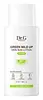
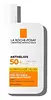
Dr.G Green Mild Up Sun Lotion SPF 50+ PA++++ Versus La Roche-Posay Anthelios Ultra Fluid Face Lotion SPF 50+
This hybrid sunscreen covers the full UV range and blocks ~98% of UVB at SPF 50.
This chemical sunscreen covers the full UV range and blocks ~98% of UVB at SPF 50.


What's inside
What's inside
 Key Ingredients
Benefits
Concerns
Ingredients Side-by-side
Water
Skin ConditioningZinc Oxide
Cosmetic Colorant


Coco-Caprylate/Caprate
Emollient
Caprylyl Methicone
Skin Conditioning
Propylheptyl Caprylate
EmollientPropanediol
Solvent

Butyloctyl Salicylate
Skin Conditioning
Cyclohexasiloxane
Emollient
Niacinamide
Smoothing









Butylene Glycol Dicaprylate/Dicaprate
EmollientPolyglyceryl-3 Polydimethylsiloxyethyl Dimethicone
Skin Conditioning
Polyglyceryl-2 Dipolyhydroxystearate
Skin Conditioning

Centella Asiatica Extract
Cleansing
Bacopa Monnieri Extract
Skin ConditioningDisiloxane
Skin Conditioning
C13-15 Alkane
SolventDisteardimonium Hectorite
StabilisingPolymethylsilsesquioxane
Pinus Pinaster Bark Extract
Antioxidant
Caesalpinia Spinosa Fruit Extract
Skin ProtectingKappaphycus Alvarezii Extract
Skin Conditioning

Buddleja Officinalis Flower Extract
UV FilterLauryl Polyglyceryl-3 Polydimethylsiloxyethyl Dimethicone
Skin Conditioning
Polyhydroxystearic Acid
Emulsifying
Polyglyceryl-3 Polyricinoleate
Emulsifying
Magnesium Sulfate
Triethoxycaprylylsilane
1,2-Hexanediol
Skin Conditioning
Trihydroxystearin
Skin Conditioning
Silica
Abrasive
Neopentyl Glycol Diethylhexanoate
Emollient
Glyceryl Caprylate
EmollientCaprylyl Glycol
Emollient
Ethylhexylglycerin
Skin ConditioningAdenosine
Skin Conditioning
Tocopherol
Antioxidant
Water, Zinc Oxide, Coco-Caprylate/Caprate, Caprylyl Methicone, Propylheptyl Caprylate, Propanediol, Butyloctyl Salicylate, Cyclohexasiloxane, Niacinamide, Butylene Glycol Dicaprylate/Dicaprate, Polyglyceryl-3 Polydimethylsiloxyethyl Dimethicone, Polyglyceryl-2 Dipolyhydroxystearate, Centella Asiatica Extract, Bacopa Monnieri Extract, Disiloxane, C13-15 Alkane, Disteardimonium Hectorite, Polymethylsilsesquioxane, Pinus Pinaster Bark Extract, Caesalpinia Spinosa Fruit Extract, Kappaphycus Alvarezii Extract, Buddleja Officinalis Flower Extract, Lauryl Polyglyceryl-3 Polydimethylsiloxyethyl Dimethicone, Polyhydroxystearic Acid, Polyglyceryl-3 Polyricinoleate, Magnesium Sulfate, Triethoxycaprylylsilane, 1,2-Hexanediol, Trihydroxystearin, Silica, Neopentyl Glycol Diethylhexanoate, Glyceryl Caprylate, Caprylyl Glycol, Ethylhexylglycerin, Adenosine, Tocopherol
Drometrizole Trisiloxane 7%
UV Absorber
Bis-Ethylhexyloxyphenol Methoxyphenyl Triazine 5%
UV Absorber
Ethylhexyl Salicylate 5%
UV Absorber
Octocrylene 5%
UV Absorber
Butyl Methoxydibenzoylmethane 3%
UV Absorber
Homosalate 2%
Skin Conditioning
Phenylbenzimidazole Sulfonic Acid 0.5%
UV Absorber
Water
Skin ConditioningAlcohol Denat.
Antimicrobial

Silica
Abrasive
Isopropyl Myristate
Emollient
Glycerin
Humectant
Diisopropyl Sebacate
EmollientC12-22 Alkyl Acrylate/Hydroxyethylacrylate Copolymer
StabilisingPropanediol
Solvent
Perlite
Absorbent
Tocopherol
Antioxidant
Triethanolamine
BufferingCaprylyl Glycol
Emollient
Trisodium Ethylenediamine Disuccinate
Disodium EDTA
Hydroxyethylcellulose
Emulsion StabilisingAcrylates/C10-30 Alkyl Acrylate Crosspolymer
Emulsion StabilisingDrometrizole Trisiloxane 7%, Bis-Ethylhexyloxyphenol Methoxyphenyl Triazine 5%, Ethylhexyl Salicylate 5%, Octocrylene 5%, Butyl Methoxydibenzoylmethane 3%, Homosalate 2%, Phenylbenzimidazole Sulfonic Acid 0.5%, Water, Alcohol Denat., Silica, Isopropyl Myristate, Glycerin, Diisopropyl Sebacate, C12-22 Alkyl Acrylate/Hydroxyethylacrylate Copolymer, Propanediol, Perlite, Tocopherol, Triethanolamine, Caprylyl Glycol, Trisodium Ethylenediamine Disuccinate, Disodium EDTA, Hydroxyethylcellulose, Acrylates/C10-30 Alkyl Acrylate Crosspolymer
Reviews
Ingredients Explained
These ingredients are found in both products.
Ingredients higher up in an ingredient list are typically present in a larger amount.
Caprylyl Glycol is a humectant, skin conditioner, emollient, and preservative booster derived from either caprylic acid or synthetically created.
Typical use levels vary from 0.3-1% as a preservative booster and go up to 2% to condition skin.
Because it is not a free-fatty acid, this ingredient is fungal acne safe (there's nothing for Malassezia to feed on).
Learn more about Caprylyl GlycolPropanediol is an all-star ingredient. It softens, hydrates, and smooths the skin.
It’s often used to:
Propanediol is not likely to cause sensitivity and considered safe to use. It is derived from corn or petroleum with a clear color and no scent.
Learn more about PropanediolSilica, also known as silicon dioxide, is a naturally occurring mineral. It is used as a fine, spherical, and porous powder in cosmetics.
Though it has exfoliant properties, the function of silica varies depending on the product.
The unique structure of silica enhances the spreadability and adds smoothness, making it a great texture enhancer.
It is also used as an active carrier, emulsifier, and mattifier due to its ability to absorb excess oil.
In some products, tiny microneedles called spicules are made from silica or hydrolyzed sponge. When you rub them in, they lightly polish away dead skin layers and enhance the penetration of active ingredients.
Learn more about SilicaTocopherol is a fat-soluble antioxidant known as Vitamin E.
You'll find this ingredient in the vast majority of skincare (for good reason). It works to neutralize free radicals, or unstable molecules generated by UV exposure, pollution, and other environmental stressors, before they can cause oxidative damage to your skin cells.
Topically applied tocopherol has been shown to protect against UV damage by ramping up the skin's own natural defense enzymes.
It also acts as a skin conditioning agent; some studies show that regular topical use can improve the skin's water-binding capacity over 2-4 weeks.
This ingredient is especially loved for being a team player. When combined with Vitamin C, the photoprotective effect of both ingredients roughly doubles and the combo also helps reduce UV-induced DNA damage.
This ingredient has some brightening potential but it's more of a prevention ingredient than spot-fader. Cell studies show it can slow down melanin production but it's worth noting that it's not the most powerful brightener out there.
In formulations, it also serves as a stabilizer that helps protect other oxidation-prone ingredients from degrading.
Concentrations usually range from 0.1-1% in most leave-on products.
Learn more about TocopherolWater. It's the most common cosmetic ingredient of all. You'll usually see it at the top of ingredient lists, meaning that it makes up the largest part of the product.
So why is it so popular? Water most often acts as a solvent - this means that it helps dissolve other ingredients into the formulation.
You'll also recognize water as that liquid we all need to stay alive. If you see this, drink a glass of water. Remember to stay hydrated!
Learn more about Water

