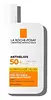
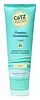
La Roche-Posay Anthelios Ultra Fluid Face Lotion SPF 50+ Versus Cotz Skincare Flawless Complexion SPF 50 Tinted
This chemical sunscreen covers the full UV range and blocks ~98% of UVB at SPF 50.
This mineral sunscreen covers the full UV range and blocks ~98% of UVB at SPF 50.


What's inside
What's inside
 Key Ingredients
Benefits
Concerns
Ingredients Side-by-side
Drometrizole Trisiloxane 7%
UV Absorber

Bis-Ethylhexyloxyphenol Methoxyphenyl Triazine 5%
UV Absorber
Ethylhexyl Salicylate 5%
UV Absorber
Octocrylene 5%
UV Absorber

Butyl Methoxydibenzoylmethane 3%
UV Absorber
Homosalate 2%
Skin Conditioning
Phenylbenzimidazole Sulfonic Acid 0.5%
UV Absorber
Water
Skin ConditioningAlcohol Denat.
Antimicrobial


Silica
Abrasive


Isopropyl Myristate
Emollient


Glycerin
Humectant


Diisopropyl Sebacate
EmollientC12-22 Alkyl Acrylate/Hydroxyethylacrylate Copolymer
StabilisingPropanediol
Solvent
Perlite
Absorbent
Tocopherol
Antioxidant





Triethanolamine
BufferingCaprylyl Glycol
Emollient
Trisodium Ethylenediamine Disuccinate
ChelatingDisodium EDTA
ChelatingHydroxyethylcellulose
Emulsion StabilisingAcrylates/C10-30 Alkyl Acrylate Crosspolymer
Emulsion StabilisingDrometrizole Trisiloxane 7%, Bis-Ethylhexyloxyphenol Methoxyphenyl Triazine 5%, Ethylhexyl Salicylate 5%, Octocrylene 5%, Butyl Methoxydibenzoylmethane 3%, Homosalate 2%, Phenylbenzimidazole Sulfonic Acid 0.5%, Water, Alcohol Denat., Silica, Isopropyl Myristate, Glycerin, Diisopropyl Sebacate, C12-22 Alkyl Acrylate/Hydroxyethylacrylate Copolymer, Propanediol, Perlite, Tocopherol, Triethanolamine, Caprylyl Glycol, Trisodium Ethylenediamine Disuccinate, Disodium EDTA, Hydroxyethylcellulose, Acrylates/C10-30 Alkyl Acrylate Crosspolymer
Zinc Oxide 20%
Cosmetic Colorant
CI 77163
Cosmetic Colorant
C12-15 Alkyl Benzoate
AntimicrobialCaprylhydroxamic Acid
ChelatingCaprylyl Glycol
Emollient
Cetyl PEG/PPG-10/1 Dimethicone
Emulsifying
Cyclohexasiloxane
Emollient
Cyclopentasiloxane
Emollient
Dimethicone
Emollient
Dimethicone Crosspolymer
Emulsion Stabilising
Dimethicone/Vinyl Dimethicone Crosspolymer
Skin Conditioning
Dimethiconol
Emollient
Disodium EDTA
ChelatingGlycerin
Humectant
Hydrogen Dimethicone
Iron Oxides
Mica
Cosmetic ColorantMicrocrystalline Wax
Emulsion StabilisingPEG-10 Dimethicone
Skin Conditioning
PEG-30 Dipolyhydroxystearate
Emulsifying
Polyglyceryl-4 Isostearate
Emulsifying
Polyhydroxystearic Acid
Emulsifying
Polysorbate 20
Emulsifying
Sodium Chloride
MaskingStearyl Dimethicone
Emollient
Tetrahexyldecyl Ascorbate
Antioxidant

Tocopheryl Acetate
Antioxidant
Triethanolamine
BufferingTriethoxycaprylylsilane
Water
Skin ConditioningZinc Oxide 20%, CI 77163, C12-15 Alkyl Benzoate, Caprylhydroxamic Acid, Caprylyl Glycol, Cetyl PEG/PPG-10/1 Dimethicone, Cyclohexasiloxane, Cyclopentasiloxane, Dimethicone, Dimethicone Crosspolymer, Dimethicone/Vinyl Dimethicone Crosspolymer, Dimethiconol, Disodium EDTA, Glycerin, Hydrogen Dimethicone, Iron Oxides, Mica, Microcrystalline Wax, PEG-10 Dimethicone, PEG-30 Dipolyhydroxystearate, Polyglyceryl-4 Isostearate, Polyhydroxystearic Acid, Polysorbate 20, Sodium Chloride, Stearyl Dimethicone, Tetrahexyldecyl Ascorbate, Tocopheryl Acetate, Triethanolamine, Triethoxycaprylylsilane, Water
Reviews
Ingredients Explained
These ingredients are found in both products.
Ingredients higher up in an ingredient list are typically present in a larger amount.
Caprylyl Glycol is a humectant, skin conditioner, emollient, and preservative booster derived from either caprylic acid or synthetically created.
Typical use levels vary from 0.3-1% as a preservative booster and go up to 2% to condition skin.
Because it is not a free-fatty acid, this ingredient is fungal acne safe (there's nothing for Malassezia to feed on).
Learn more about Caprylyl GlycolDisodium EDTA is a chelating agent. It grabs onto and deactivates metal ions that sneak into your products from water, packaging, or air.
This ingredient mainly works behind the scenes and helps with:
On top of that, this ingredient can counteract the effects of hard water by binding to the minerals in it.
One thing worth knowing is that Disodium EDTA has been shown to be a mild penetration enhancer. It can help other ingredients absorb into skin more effectively which can be a double-edged sword (great for actives, but can also make the active too strong if you have sensitive skin).
Clinical patch testing showed no significant skin irritation at typical use concentrations and minimal dermal absorption.
You'll most likely see this ingredient near the end of an ingredient list. It's typically found in concentrations less than 1%.
Learn more about Disodium EDTAGlycerin (or glycerol) is a compound naturally found in your skin. It's a powerhouse humectant that pulls water into the stratum corneum.
Topically, glycerin does several things at once:
Your skin makes glycerin on its own (mostly from sebaceous oil breakdown) and shuttles it to your outermost layer of skin, or your epidermis, via aquaporin-3.
Aquaporin-3 is a transporter that is essential for normal skin hydration, elasticity, and repair. Interestingly, mice lacking in AQP3 have dry and less elastic skin that can be fully corrected with glycerin.
This ingredient is non-irritating, plays well with almost every ingredient, and works across all skin types. Typical use is anywhere between 3-10% but can go up to 79% in some leave-on products.
Just know very high concentrations (>40%) can feel tacky in low humidity.
Glycerin is the name for this ingredient in American English. British English uses Glycerol/Glycerine.
Learn more about GlycerinTriethanolamine (TEA) is an emulsifier and pH adjuster. It is created using ethylene oxide and ammonia. This gives Triethanolamine a nitrogen core and a similar scent to ammonia.
As an emulsifier, it prevents ingredients from separating and enhances texture by adding volume to a product.
PH adjusters are common in cosmetic products. The pH of a product can affect the effectiveness of other ingredients. A product with a high pH may also irritate the skin.
If you are looking for the tea leaf ingredient, click here.
Learn more about TriethanolamineWater. It's the most common cosmetic ingredient of all. You'll usually see it at the top of ingredient lists, meaning that it makes up the largest part of the product.
So why is it so popular? Water most often acts as a solvent - this means that it helps dissolve other ingredients into the formulation.
You'll also recognize water as that liquid we all need to stay alive. If you see this, drink a glass of water. Remember to stay hydrated!
Learn more about Water

