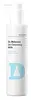
This mild cream cleanser is made to cleanse without leaving your skin tight or dry.
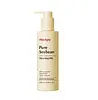
This mild cream makeup remover is made to dissolve makeup, sunscreen, and daily buildup.

What's inside
What's inside
 Key Ingredients
Benefits
Concerns
Ingredients Side-by-side
Water
Skin ConditioningGlycerin
Humectant


Helianthus Annuus Seed Oil
Emollient


Decyl Glucoside
Cleansing
Cetyl Ethylhexanoate
EmollientC14-22 Alcohols
Emulsion Stabilising
Cetyl Alcohol
Emollient
Dipropylene Glycol
HumectantC12-20 Alkyl Glucoside
EmulsifyingXanthan Gum
EmulsifyingHydroxyacetophenone
Antioxidant
Sorbitan Stearate
Emulsifying
Sodium Stearoyl Glutamate
CleansingCitric Acid
Buffering

Caprylyl Glycol
Emollient
Acrylates/C10-30 Alkyl Acrylate Crosspolymer
Emulsion StabilisingEthylhexylglycerin
Skin ConditioningGlucose
Humectant
Dipotassium Glycyrrhizate
Humectant

Tocopherol
Antioxidant


Water, Glycerin, Helianthus Annuus Seed Oil, Decyl Glucoside, Cetyl Ethylhexanoate, C14-22 Alcohols, Cetyl Alcohol, Dipropylene Glycol, C12-20 Alkyl Glucoside, Xanthan Gum, Hydroxyacetophenone, Sorbitan Stearate, Sodium Stearoyl Glutamate, Citric Acid, Caprylyl Glycol, Acrylates/C10-30 Alkyl Acrylate Crosspolymer, Ethylhexylglycerin, Glucose, Dipotassium Glycyrrhizate, Tocopherol
Water
Skin ConditioningGlycerin
Humectant
Cetyl Ethylhexanoate
EmollientHelianthus Annuus Seed Oil
Emollient
Butylene Glycol
Humectant
Sorbitan Olivate
Emulsifying
Glyceryl Stearate Se
Emulsifying


Ceramide NP
Skin Conditioning
Ceramide AP
Skin Conditioning
Cholesterol
Emollient
Stearic Acid
Cleansing
Panthenol
Skin Conditioning
Sodium Hyaluronate
Humectant
Glycine Soja Seed Extract
Skin Conditioning
Lactobacillus/Soymilk Ferment Filtrate
Skin ConditioningCentella Asiatica Extract
Cleansing
Ficus Carica Fruit Extract
Humectant
Hydrogenated Lecithin
Emulsifying
C14-22 Alcohols
Emulsion Stabilising
1,2-Hexanediol
Skin Conditioning
Decyl Glucoside
Cleansing
Hydroxyacetophenone
Antioxidant
Arginine
Masking
Carbomer
Emulsion StabilisingC12-20 Alkyl Glucoside
EmulsifyingEthylhexylglycerin
Skin ConditioningBehenyl Alcohol
Emollient
Simmondsia Chinensis Seed Oil
Emollient
Tocopherol
Antioxidant
Sodium Phytate
Coptis Japonica Root Extract
Skin ConditioningMalt Extract
Skin ProtectingCaprylic/Capric Triglyceride
Masking
Glyceryl Stearate
Emollient
Cetearyl Alcohol
Emollient
Tetraacetylphytosphingosine
Skin ConditioningGlycosphingolipids
EmollientXanthan Gum
EmulsifyingWater, Glycerin, Cetyl Ethylhexanoate, Helianthus Annuus Seed Oil, Butylene Glycol, Sorbitan Olivate, Glyceryl Stearate Se, Ceramide NP, Ceramide AP, Cholesterol, Stearic Acid, Panthenol, Sodium Hyaluronate, Glycine Soja Seed Extract, Lactobacillus/Soymilk Ferment Filtrate, Centella Asiatica Extract, Ficus Carica Fruit Extract, Hydrogenated Lecithin, C14-22 Alcohols, 1,2-Hexanediol, Decyl Glucoside, Hydroxyacetophenone, Arginine, Carbomer, C12-20 Alkyl Glucoside, Ethylhexylglycerin, Behenyl Alcohol, Simmondsia Chinensis Seed Oil, Tocopherol, Sodium Phytate, Coptis Japonica Root Extract, Malt Extract, Caprylic/Capric Triglyceride, Glyceryl Stearate, Cetearyl Alcohol, Tetraacetylphytosphingosine, Glycosphingolipids, Xanthan Gum
Reviews
Ingredients Explained
These ingredients are found in both products.
Ingredients higher up in an ingredient list are typically present in a larger amount.
We don't have a description for C12-20 Alkyl Glucoside yet.
This ingredient is a blend of long-chain fatty alcohols (myristyl, cetyl, stearyl, arachidyl, and behenyl). It is an emulsion stabilizer with emollient properties.
Don't let the word "alcohol" scare you: fatty alcohols are nothing like the drying solvents. This ingredient actually helps soften and smooth the skin.
By the way, the FDA allows products to be labeled "alcohol-free" even when they contain fatty alcohols like this one.
In a formula, it prevents the water and oil phases from separating over time while also contributing to a pleasant, non-greasy slip.
Interestingly, this ingredient can organize into the structures that mimic the skin's own lipid architecture to help support barrier function and reduce transepidermal water loss (TEWL).
The CIR Expert Panel has thoroughly assess the individual fatty alcohols that make up this blend and found no significant toxicity or dermal irritation.
Learn more about C14-22 AlcoholsCetyl Ethylhexanoate is an emollient ester. It comes from cetearyl alcohol and 2-ethylhexanoic acid.
Cetyl Ethylhexanoate is an emollient that adds a velvety feel to skin without being greasy or oily. Emollients help trap moisture into your skin, keeping your skin soft and hydrated.
Decyl Glucoside is a plant-derived surfactant and emulsion stabilizer. It is created by reacting glucose with the fatty acids from plants.
Like all surfactants, it works by lowering the surface tension between water and oil. This makes it so that dirt, sebum, and makeup can be lifted off your skin and rinsed away. It also produces a dense and creamy foam.
Because it has a neutral charge, it is compatible with a wide range of ingredients and stays stable across a broad pH range/water hardiness conditions.
Patch testing has shown it to have the lowest irritation potential among common cleansing surfactants (like SLS).
Typical use levels range from 5-20% in rinse-off cleansers.
One thing worth knowing: The American Contact Dermatitis Society named the parent family, alkyl glucosides, "Allergen of the Year" in 2017. The prevalence of allergy is pretty low but be sure to patch test if you've reacted to "gentle" or sulfate-free cleansers before.
This ingredient is fungal acne safe because the fatty alcohol portion of this ingredient is not within the C11-24 chain length that Malassezia can metabolize.
Learn more about Decyl GlucosideEthylhexylglycerin is created from glycerin. It is a multitasker ingredient that:
The CIR Expert Panel found minimal skin absorption or sensitization of any kind in a safety assessment. Though this ingredient is considered well-tolerated, a small number of cases of allergic dermatitis have been published since 2002. Just be sure to patch test if you are unsure.
Industry-reported use ranges from 8% in rinse-off products and 2% in leave-on formulations.
Learn more about EthylhexylglycerinGlycerin (or glycerol) is a compound naturally found in your skin. It's a powerhouse humectant that pulls water into the stratum corneum.
Topically, glycerin does several things at once:
Your skin makes glycerin on its own (mostly from sebaceous oil breakdown) and shuttles it to your outermost layer of skin, or your epidermis, via aquaporin-3.
Aquaporin-3 is a transporter that is essential for normal skin hydration, elasticity, and repair. Interestingly, mice lacking in AQP3 have dry and less elastic skin that can be fully corrected with glycerin.
This ingredient is non-irritating, plays well with almost every ingredient, and works across all skin types. Typical use is anywhere between 3-10% but can go up to 79% in some leave-on products.
Just know very high concentrations (>40%) can feel tacky in low humidity.
Glycerin is the name for this ingredient in American English. British English uses Glycerol/Glycerine.
Learn more about GlycerinHelianthus Annuus Seed Oil is a plant oil derived from the seeds of a sunflower.
It is rich in fatty acids, primarily linoleic acid and oleic acid. This gives it emollient and skin conditioning properties.
The reason this ingredient is so effective is because it forms a thin film on the skin that reduces transepidermal water loss (TEWL) while supplying linoleic acid to the stratum corneum to improve barrier strength.
The high linoleic acid content is particularly noteworthy for acne-prone skin.
Research suggests that acne-prone skin tends to be deficient in linoleic acid in sebum. Topical application may help replenish this to support a healthier follicular environment and less comedone-promoting sebum.
One randomized study found sunflower seed oil preserved skin barrier integrity in adult volunteers with and without atopic dermatitis (outperforming olive oil).
This ingredient is well-studied, gentle, and an effective emollient suitable for most skin types.
On fungal acne: This ingredient may not be Fungal acne (Malassezia folliculitis) safe. This is because it contains fatty acids with carbon chain lengths in the C11-C24 range.
Learn more about Helianthus Annuus Seed OilHydroxyacetophenone is a small phenolic molecule that earns its place in a formulas as an antioxidant and preservative booster.
As a phenol, it is able to neutralize free radicals to protect both the product and the skin from oxidative stress.
Though it can't kill microbes on its own, it works as a good supporting agent when combined with other preservatives like Phenoxyethanol or 1,2-Hexanediol.
This ingredient naturally occurs as piceol in Norwegian spruce needles (~0.4-1.1% dry weight and in cloudberries). Though the cosmetic-grade material is synthesized for purity and consistency.
You'll usually see it used at low levels and suppliers recommend up to 1% added to a water phase.
Safety testing was done at concentrations like 0.05% in SPF products and 0.5% in a Human Repeated Insult Patch Test. The safety evidence is assuring; this ingredient is safe for cosmetics in current use and also holds safety status as a food flavoring as well.
An honest caveat: the "soothing" and "anti-inflammatory" claims come mostly from supplier marketing rather than published clinical trials. The Cosmetic Ingredient Review's own literature search found no useful efficacy studies on this ingredient.
So the antioxidant and preservative-boosting roles are the well supported ones while the calming benefit is plausible but thinly evidenced.
Overall, this is a well-tolerated, low-irritation multitasker that quietly helps a formula stay fresh and stable.
Learn more about HydroxyacetophenoneTocopherol is a fat-soluble antioxidant known as Vitamin E.
You'll find this ingredient in the vast majority of skincare (for good reason). It works to neutralize free radicals, or unstable molecules generated by UV exposure, pollution, and other environmental stressors, before they can cause oxidative damage to your skin cells.
Topically applied tocopherol has been shown to protect against UV damage by ramping up the skin's own natural defense enzymes.
It also acts as a skin conditioning agent; some studies show that regular topical use can improve the skin's water-binding capacity over 2-4 weeks.
This ingredient is especially loved for being a team player. When combined with Vitamin C, the photoprotective effect of both ingredients roughly doubles and the combo also helps reduce UV-induced DNA damage.
This ingredient has some brightening potential but it's more of a prevention ingredient than spot-fader. Cell studies show it can slow down melanin production but it's worth noting that it's not the most powerful brightener out there.
In formulations, it also serves as a stabilizer that helps protect other oxidation-prone ingredients from degrading.
Concentrations usually range from 0.1-1% in most leave-on products.
Learn more about TocopherolWater. It's the most common cosmetic ingredient of all. You'll usually see it at the top of ingredient lists, meaning that it makes up the largest part of the product.
So why is it so popular? Water most often acts as a solvent - this means that it helps dissolve other ingredients into the formulation.
You'll also recognize water as that liquid we all need to stay alive. If you see this, drink a glass of water. Remember to stay hydrated!
Learn more about WaterXanthan gum is used as a stabilizer and thickener within cosmetic products. It helps give products a sticky, thick feeling - preventing them from being too runny.
On the technical side of things, xanthan gum is a polysaccharide - a combination consisting of multiple sugar molecules bonded together.
Xanthan gum is a pretty common and great ingredient. It is a natural, non-toxic, non-irritating ingredient that is also commonly used in food products.
Learn more about Xanthan Gum

