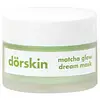
This calming overnight mask is formulated around Aloe Barbadensis Leaf Extract and Centella Asiatica Leaf Extract to calm redness and brighten dull-looking skin.
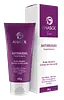
This anti-aging overnight mask is formulated around Glycolic Acid and Acetyl Tetrapeptide-9 to soften the look of wrinkles and refine skin texture.

What's inside
What's inside
 Key Ingredients
Benefits
Concerns
Ingredients Side-by-side
Water
Skin ConditioningXanthan Gum
EmulsifyingPropylene Glycol
Humectant


Aloe Barbadensis Leaf Extract
Emollient

Butylene Glycol
Humectant
Glycerin
Humectant
Isononyl Isononanoate
EmollientParaffinum Liquidum
Emollient


Centella Asiatica Leaf Extract
Skin Conditioning
Ethyl Macadamiate
Skin Conditioning
Arbutin
Antioxidant



Polyacrylamide
C13-14 Isoparaffin
Emollient
Laureth-7
EmulsifyingCetyl Alcohol
Emollient

Cetearyl Alcohol
Emollient
Glyceryl Stearate
Emollient
PEG-40 Stearate
Emulsifying
Ceteareth-20
Cleansing
Phenoxyethanol
Preservative
Parfum
Masking

Camellia Sinensis Leaf Extract
Antimicrobial

CI 19140
Cosmetic ColorantCI 42090
Cosmetic ColorantCI 73015
Cosmetic ColorantWater, Xanthan Gum, Propylene Glycol, Aloe Barbadensis Leaf Extract, Butylene Glycol, Glycerin, Isononyl Isononanoate, Paraffinum Liquidum, Centella Asiatica Leaf Extract, Ethyl Macadamiate, Arbutin, Polyacrylamide, C13-14 Isoparaffin, Laureth-7, Cetyl Alcohol, Cetearyl Alcohol, Glyceryl Stearate, PEG-40 Stearate, Ceteareth-20, Phenoxyethanol, Parfum, Camellia Sinensis Leaf Extract, CI 19140, CI 42090, CI 73015
Water
Skin ConditioningGlycerin
Humectant
Butyrospermum Parkii Butter
Skin Conditioning
Macadamia Ternifolia Seed Oil
Emollient
Squalane
Emollient
Cetyl Alcohol
Emollient
Glyceryl Stearate
Emollient
Biosaccharide Gum-1
Humectant
Cetyl Palmitate
Emollient
Ethylhexyl Stearate
Emollient
Glycolic Acid
Buffering



Tetrahydroxypropyl Ethylenediamine
ChelatingPentaerythrityl Distearate
Emulsifying
Stearyl Alcohol
Emollient
Avena Sativa Kernel Oil
Skin Conditioning
Astrocaryum Murumuru Seed Butter
Emollient
Butylene Glycol
Humectant
Camellia Sinensis Leaf Extract
Antimicrobial
Dimethicone
Emollient
Panthenol
Skin Conditioning
Tocopheryl Acetate
Antioxidant
PEG-75 Stearate
Surfactant
Polyacrylamide
Phenoxyethanol
Preservative
C13-14 Isoparaffin
Emollient
Steareth-20
CleansingCeteth-20
CleansingPolysorbate 80
Emulsifying
Xanthan Gum
EmulsifyingPropylene Glycol
Humectant
Disodium EDTA
ChelatingParfum
Masking
Diazolidinyl Urea
Preservative
Laureth-7
EmulsifyingDichlorobenzyl Alcohol
Antimicrobial
2-Bromo-2-Nitropropane-1,3-Diol
Preservative
BHT
Antioxidant
Iodopropynyl Butylcarbamate
Preservative
Acetyl Tetrapeptide-9
Skin Conditioning
Benzyl Salicylate
Perfuming
Butylphenyl Methylpropional
Perfuming
Citronellol
Perfuming
Hexyl Cinnamal
Perfuming
Hydroxyisohexyl 3-Cyclohexene Carboxaldehyde
Masking
Linalool
Perfuming
Water, Glycerin, Butyrospermum Parkii Butter, Macadamia Ternifolia Seed Oil, Squalane, Cetyl Alcohol, Glyceryl Stearate, Biosaccharide Gum-1, Cetyl Palmitate, Ethylhexyl Stearate, Glycolic Acid, Tetrahydroxypropyl Ethylenediamine, Pentaerythrityl Distearate, Stearyl Alcohol, Avena Sativa Kernel Oil, Astrocaryum Murumuru Seed Butter, Butylene Glycol, Camellia Sinensis Leaf Extract, Dimethicone, Panthenol, Tocopheryl Acetate, PEG-75 Stearate, Polyacrylamide, Phenoxyethanol, C13-14 Isoparaffin, Steareth-20, Ceteth-20, Polysorbate 80, Xanthan Gum, Propylene Glycol, Disodium EDTA, Parfum, Diazolidinyl Urea, Laureth-7, Dichlorobenzyl Alcohol, 2-Bromo-2-Nitropropane-1,3-Diol, BHT, Iodopropynyl Butylcarbamate, Acetyl Tetrapeptide-9, Benzyl Salicylate, Butylphenyl Methylpropional, Citronellol, Hexyl Cinnamal, Hydroxyisohexyl 3-Cyclohexene Carboxaldehyde, Linalool
Reviews
Ingredients Explained
These ingredients are found in both products.
Ingredients higher up in an ingredient list are typically present in a larger amount.
Butylene Glycol (or BG) is used within cosmetic products for a few different reasons:
Overall, Butylene Glycol is a safe and well-rounded ingredient that works well with other ingredients.
Though this ingredient works well with most skin types, some people with sensitive skin may experience a reaction such as allergic rashes, closed comedones, or itchiness.
Learn more about Butylene GlycolC13-14 Isoparaffin is a synthetic emollient, solvent, and thickening agent. It helps soften skin and improves spreadability without leaving a greasy residue.
This ingredient has been found to be non-sensitizing and safe for use in cosmetics.
Two things floating around online that cause fear-mongering:
There's one scary-sounding study related to kidney tumors in male rats; this depends on a protein called alpha-2u-globulin that binds the ingredient and clogs up kidney cells. Female rats barely make this protein, and humans don't make it at all so this effect cannot happen to us. Regulatory bodies have states this rat-only pathway shouldn't be used to judge human risk.
The other thing you'll see is 1,4-dioxane being a trace byproduct that can form during manufacturing of petroleum-derived ingredients. This is a real, but heavily managed/monitored issue. This byproduct is removed through purification steps before the ingredients goes into the formula. Regulatory bodies also actively monitor residual levels for safety.
One last thing to note: this ingredient is a pure hydrocarbon with no fatty-acid or ester chains for Malassezia to feed on, so it's considered fungal acne safe.
Learn more about C13-14 IsoparaffinCamellia Sinensis Leaf Extract (tea extract) is one of the most well-researched plant extracts in skincare with an impressive resume.
Black tea, green tea, and oolong tea are all harvested from the Camellia Sinensis plant.
Studies show green tea extract and its catechins (like epigallocatechin gallate (EGCG)) help your skin cells product energy more efficiently and reducing the number of free-radicals that can damage your skin from the inside.
In lab-grown skin models, this translated to younger, healthier, and stronger skin.
There's also good sun protection data; researchers saw less DNA damage and redness on human skin when green tea was applied before UVB exposure. And the more they applied, the better the protection.
Needless to say, this ingredient shouldn't replace your sunscreen. But it is a great supportive ingredient that you can already find in many sunscreens and antioxidant serums.
A 2009 study found a 2% green tea lotion was effective for mild-to-moderate acne thanks to its anti-inflammatory and mild antimicrobial activity.
The quality of the extract matters a lot here:
Good extracts contain 50-90% catechins while lower quality ones are mostly there for marketing. We recommend reaching out to the brand if you have questions about the quality or source of their ingredients.
Human Repeated Insult Patch Testing showed no irritation or sensitization at use concentrations (0.86% in leave-on products and up to 30% as leaf water).
Learn more about Camellia Sinensis Leaf ExtractCetyl Alcohol is a fatty alcohol. Fatty Alcohols are most often used as an emollient or to thicken a product.
Its main roles are:
Though it has "alcohol" in the name, it is not related to denatured alcohol or ethyl alcohol.
The FDA allows products labeled "alcohol-free" to have fatty alcohols.
This ingredient may not be fungal acne safe. It is a primary fatty alcohol with a chain length above 12 carbons. A study from 2019 show Malassezia can feed on fatty alcohols in this range, so it may trigger fungal acne in those prone to it.
Learn more about Cetyl AlcoholGlycerin (or glycerol) is a compound naturally found in your skin. It's a powerhouse humectant that pulls water into the stratum corneum.
Topically, glycerin does several things at once:
Your skin makes glycerin on its own (mostly from sebaceous oil breakdown) and shuttles it to your outermost layer of skin, or your epidermis, via aquaporin-3.
Aquaporin-3 is a transporter that is essential for normal skin hydration, elasticity, and repair. Interestingly, mice lacking in AQP3 have dry and less elastic skin that can be fully corrected with glycerin.
This ingredient is non-irritating, plays well with almost every ingredient, and works across all skin types. Typical use is anywhere between 3-10% but can go up to 79% in some leave-on products.
Just know very high concentrations (>40%) can feel tacky in low humidity.
Glycerin is the name for this ingredient in American English. British English uses Glycerol/Glycerine.
Learn more about GlycerinGlyceryl Stearate is made by reacting glycerin with stearic acid (typically sourced from plant oils like palm or coconut). It's an emulsifier, emollient, and mild occlusive.
Emulsifiers help ingredients like oil and water stay mixed so your formula stays nicely blended and uniform in texture.
This ingredient is typically used in concentrations between 1-10%. Studies have found it to be non-sensitizing, non-phototoxic, and non-photoallergenic.
A close cousin of this ingredient is Glyceryl Stearate SE ("self-emulsifying"). This just has a small amount of sodium or potassium stearate added so it can emulsify without a co-emulsifier.
Since this ingredient is an ester of a C18 fatty acid, it may not be fungal acne safe. The Malassezia yeast can potentially metabolize within the C11-C24 range.
Fun fact: The human body also creates Glyceryl Stearate naturally.
Learn more about Glyceryl StearateLaureth-7 is created by the ethoxylation of lauryl alcohol using ethylene oxide. Lauryl alcohol is a fatty alcohol with hydrating properties.
This ingredient is an emulsifier and cleansing ingredient. As an emulsifier, it is used to prevent ingredients from separating. It also helps cleanse the skin by gathering dirt, oil, and pollutants to be rinsed away.
Parfum is a catch-all term for an ingredient or more that is used to give a scent to products.
Also called "fragrance", this ingredient can be a blend of hundreds of chemicals or plant oils. This means every product with "fragrance" or "parfum" in the ingredients list is a different mixture.
For instance, Habanolide is a proprietary trade name for a specific aroma chemical. When used as a fragrance ingredient in cosmetics, most aroma chemicals fall under the broad labeling category of “FRAGRANCE” or “PARFUM” according to EU and US regulations.
The term 'parfum' or 'fragrance' is not regulated in many countries. In many cases, it is up to the brand to define this term.
For instance, many brands choose to label themselves as "fragrance-free" because they are not using synthetic fragrances. However, their products may still contain ingredients such as essential oils that are considered a fragrance by INCI standards.
One example is Calendula flower extract. Calendula is an essential oil that still imparts a scent or 'fragrance'.
Depending on the blend, the ingredients in the mixture can cause allergies and sensitivities on the skin. Some ingredients that are known EU allergens include linalool and citronellol.
Parfum can also be used to mask or cover an unpleasant scent.
The bottom line is: not all fragrances/parfum/ingredients are created equally. If you are worried about fragrances, we recommend taking a closer look at an ingredient. And of course, we always recommend speaking with a professional.
Learn more about ParfumPhenoxyethanol is one of the most widely used preservatives in skincare (and for good reason!).
It has a large spectrum of antimicrobial activity and especially effective bacteria, yeast, and mold while only having a weak effect on your skin's natural microbiome.
On a cellular level, it disrupts the cell membranes of microbes by poking holes that make the cell leak. This shuts down the chemical reactions the microbe needs to make energy so it can no longer survive.
Another perk of this ingredient is that it stays functional across a wide pH range (3-10).
You'll often see it paired with boosters like Ethylhexylglycerin; one study showed that a 1:9 ratio of Ethylhexylglycerin to Phenoxyethanol damages bacterial membranes as effectively as doubling the Phenoxyethanol concentration on its own.
Typical use concentrations range from 0.3-1% depending on the formula, and this ingredient is capped at 1% int the EU.
Safety-wise, the fear mongering does not hold up to the evidence. The EU's Scientific Committee on Consumer Safety and FDA consider it safe as a preservative at up to 1%, including for children of all ages.
Adverse systemic effects only showed up in animal studies at exposures roughly 200x higher than what people get from cosmetics. And despite its very widespread use, this ingredient is a rare sensitizer and allergic reactions are uncommon.
Learn more about PhenoxyethanolPolyacrylamide is a synthetic polymer. It is used to stabilize products and bind ingredients. When hydrated, Polyacrylamide forms a soft gel.
Polyacrylamide is low-toxicity. If source properly, it is deemed safe to use in cosmetics.
It should be noted the precursor to Polyacrylamide is acrylamide. Acrylamide is a carcinogen. Most reputable sources of Polyacrylamide will screen for residual acrylamide to make sure the count is in a safe range. Acrylamide is not able to be absorbed through the skin.
We recommend speaking with a professional if you have concerns.
Learn more about PolyacrylamidePropylene Glycol is a synthetic, colorless, odorless liquid that has been a staple in cosmetics for decades. It is a skin conditioning agent, humectant, and solvent.
As a humectant, it draw water to the skin to reduce flaking and restore suppleness. It's also a solvent that helps dissolve other actives and keeps formulas stable across temperature changes.
The CIR Expert Panel has confirmed this ingredient to be nontoxic and clinical studies show no sensitization at cosmetic use concentrations.
True allergic reactions are quite rare: a 15-year retrospective study of 6,751 patients found only 0.31% had a positive reaction (and less than half were considered clinically relevant).
It seemed that when sensitization does occur, it's most commonly linked to topical medication (like corticosteroids) and not cosmetics. Allergic contact dermatitis also appears largely limited to individuals with underlying skin conditions.
Overall, propylene glycol is a well-studied ingredient that most people can tolerate without issue.
Learn more about Propylene GlycolWater. It's the most common cosmetic ingredient of all. You'll usually see it at the top of ingredient lists, meaning that it makes up the largest part of the product.
So why is it so popular? Water most often acts as a solvent - this means that it helps dissolve other ingredients into the formulation.
You'll also recognize water as that liquid we all need to stay alive. If you see this, drink a glass of water. Remember to stay hydrated!
Learn more about WaterXanthan gum is used as a stabilizer and thickener within cosmetic products. It helps give products a sticky, thick feeling - preventing them from being too runny.
On the technical side of things, xanthan gum is a polysaccharide - a combination consisting of multiple sugar molecules bonded together.
Xanthan gum is a pretty common and great ingredient. It is a natural, non-toxic, non-irritating ingredient that is also commonly used in food products.
Learn more about Xanthan Gum

