
What's inside
What's inside
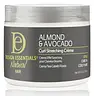 Key Ingredients
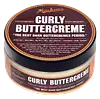
No key ingredients
Benefits
Concerns
Ingredients Side-by-side
Water
Skin ConditioningGlycerin
Humectant


Olea Europaea Fruit Oil
Masking





Acetylated Lanolin
Emollient
Prunus Amygdalus Dulcis Oil
Skin Conditioning
Hydrogenated Vegetable Oil
Emollient
PEG-10 Glyceryl Stearate
Emulsifying
Pvp/Va Copolymer
Simmondsia Chinensis Seed Oil
Emollient
Crambe Abyssinica Seed Oil
Skin Conditioning
PEG-8 Dilaurate
Emulsifying
Ceteareth-20
Cleansing
Coco-Glucoside
Cleansing
Glyceryl Oleate
Emollient
Canola Oil
Emollient
Zea Mays Starch
Absorbent
Silica
Abrasive

Aminomethyl Propanol
BufferingParfum
Masking
Stearyl Alcohol
Emollient
Carbomer
Emulsion StabilisingPhenoxyethanol
Preservative
Caprylyl Glycol
Emollient
Potassium Sorbate
Preservative
Hexylene Glycol
EmulsifyingPanthenol
Skin Conditioning

Butyrospermum Parkii Butter
Skin Conditioning
Keratin Amino Acids
Skin ConditioningTheobroma Cacao Seed Butter
Emollient
Triticum Vulgare Germ Oil
Emollient
Disodium EDTA
BHT
Antioxidant
Silk Amino Acids
HumectantPersea Gratissima Oil
Skin Conditioning
Water, Glycerin, Olea Europaea Fruit Oil, Acetylated Lanolin, Prunus Amygdalus Dulcis Oil, Hydrogenated Vegetable Oil, PEG-10 Glyceryl Stearate, Pvp/Va Copolymer, Simmondsia Chinensis Seed Oil, Crambe Abyssinica Seed Oil, PEG-8 Dilaurate, Ceteareth-20, Coco-Glucoside, Glyceryl Oleate, Canola Oil, Zea Mays Starch, Silica, Aminomethyl Propanol, Parfum, Stearyl Alcohol, Carbomer, Phenoxyethanol, Caprylyl Glycol, Potassium Sorbate, Hexylene Glycol, Panthenol, Butyrospermum Parkii Butter, Keratin Amino Acids, Theobroma Cacao Seed Butter, Triticum Vulgare Germ Oil, Disodium EDTA, BHT, Silk Amino Acids, Persea Gratissima Oil
Water
Skin ConditioningPetrolatum
Emollient
Glycerin
Humectant
Paraffinum Liquidum
Emollient
PEG-100 Stearate
Surfactant
Acetylated Lanolin
Emollient
Glyceryl Stearate
Emollient
Hc Yellow No. 10
Crambe Abyssinica Seed Oil
Skin Conditioning
PEG-8 Dilaurate
Emulsifying
Parfum
Masking
Ceteareth-20
Cleansing
Stearyl Alcohol
Emollient
DMDM Hydantoin
Preservative
Aminomethyl Propanol
BufferingAcrylates/C10-30 Alkyl Acrylate Crosspolymer
Emulsion StabilisingBasic Orange 1
Panthenol
Skin Conditioning
Benzyl Benzoate
Antimicrobial
Butyrospermum Parkii Butter
Skin Conditioning
Theobroma Cacao Seed Butter
Emollient
Triticum Vulgare Germ Oil
Emollient
Disodium EDTA
Hydrolyzed Keratin
Humectant
Limonene
Perfuming
Iodopropynyl Butylcarbamate
Preservative
Linalool
Perfuming
Water, Petrolatum, Glycerin, Paraffinum Liquidum, PEG-100 Stearate, Acetylated Lanolin, Glyceryl Stearate, Hc Yellow No. 10, Crambe Abyssinica Seed Oil, PEG-8 Dilaurate, Parfum, Ceteareth-20, Stearyl Alcohol, DMDM Hydantoin, Aminomethyl Propanol, Acrylates/C10-30 Alkyl Acrylate Crosspolymer, Basic Orange 1, Panthenol, Benzyl Benzoate, Butyrospermum Parkii Butter, Theobroma Cacao Seed Butter, Triticum Vulgare Germ Oil, Disodium EDTA, Hydrolyzed Keratin, Limonene, Iodopropynyl Butylcarbamate, Linalool
Ingredients Explained
These ingredients are found in both products.
Ingredients higher up in an ingredient list are typically present in a larger amount.
Acetylated Lanolin is just lanolin (the waxy stuff sheep produce to waterproof their wool) with acetyl groups tacked on.
Chemically, it's the acetyl ester of lanolin and that small tweak makes it less tacky + more water-repellent.
This is why formulators use it as an emollient and occlusive to soften skin and slow water loss.
CIR data shows it's used up to 7% in makeup foundations but older survey showed use as high as 50% in eye and other makeup. The CIR Expert Panel has also concluded it's safe as currently used with no restrictions on lanolin-derived ingredients under EU cosmetic rules.
Allergy-wise, lanolin is a known modest contact allergen. 3.3% of 43,691 tested dermatitis patients reacted to a lanolin marker between 2001 and 2018 and people with chronic inflammatory skin conditions or broken skin are at the higher end of that risk.
This ingredient may not be fungal acne safe. The Malassezia yeasts can't make their own fatty acids and pull them out of wax esters/sterol esters, which is what lanolin is built from. No study has tested this ingredient against Malassezia, so it's best to patch test if you're unsure.
In Fulton's 1989 rabbit-ear survey, Acetylated Lanolin scored 0 for comedogenicity and 0 for irritancy.
This ingredient is often confused with Acetylated Lanolin Alcohol which is a different ingredient with a comedogenic score of 4 and irritancy score of 2.
Learn more about Acetylated LanolinAminomethyl Propanol is used to adjust the pH of products. It is also used as a base to create other organic compounds. Having a balanced pH is important for protecting your skin.
Aminomethyl propanol is safe to use in cosmetics up to 1%. It is soluble in water.
This ingredient is also known as shea butter. It is a plant-derived extract from the nuts of the Africa shea tree and one of the most well-studied emollients.
Because it has a high concentration of fatty acids (primarily oleic, stearic, and linoleic) it is able to form a protective barrier on the skin's surface. This helps seal in moisture and prevents transepidermal water loss (TEWL).
In vitro research found an increase in skin hydration by 58% and a decrease in TEWL by 37.8% after 24 hours of applying this ingredient (pretty impressive for a single ingredient!).
Besides hydration, shea butter also contains triterpenes that have anti-inflammatory potential. In particule, lupeol cinnamate has shown the highest anti-inflammatory activity in vivo.
Shea butter also contains vitamins A and E which may contribute to antioxidant activity.
While Shea Butter has an SPF rating of about 3-4, it is not a sunscreen replacement.
This ingredient may not be fungal acne safe because its fatty acids fall within the C11-C24 range that the Malassezia yeast can metabolize.
This ingredient shows up on a lot of "pore-clogging" lists but there's no real evidence behind that. It doesn't even have a comedogenic rating from an actual study; the numbers you'll find online come from blogs citing other blogs.
Ratings for other ingredients mostly come from a 1980s rabbit ear test. This test doesn't translate well to human skin or to real products because the ingredient sits at a much lower percentage.
Some people still find it breaks them out. So if that's you, definitely trust your skin. Just know this one's based on experience and not evidence.
Learn more about Butyrospermum Parkii ButterCeteareth-20 is an emulsifier and surfactant made by reacting cetearyl alcohol with 20 moles of ethylene oxide.
This gives it both oil and water-loving properties that makes it an effect emulsifier; it's really great at pulling oil droplets into water to create a stable, creamy, and easy-to-spread base.
Typical use ranges from 0.5-30%. Most leave-on products are in the 1-10% zone.
The 20 ethylene oxide units is well above the PEG-10 threshold and therefore not a food source for Malassezia (it's fungal acne safe).
This ingredient has a comedogenic rating of 2 and an irritancy rating of 3. These numbers come from testing the raw ingredient on rabbit ears and doesn't reflect how it will behave in a finished product.
In practice, this ingredient is a well-tolerated ingredient. The ratings reflect cautious lab conditions and not real-world use. Just be sure to patch test any formulas you feel unsure about.
Learn more about Ceteareth-20This ingredient is also known as Abyssinian Oil. It comes from the seeds of the Crambe abyssinica plant and has skin conditioning properties.
What makes this oil unique is its unusually high content of erucic acid (50-65%). The other fatty acids found in this oil are oleic acid (15%) and linoleic acid (13%).
In cosmetics, abyssinian oil acts as an emollient that forms a protective layer on skin to lock in moisture without adding a heavy, greasy feeling. It also has a silky, silicone-like slip to it and is fairly resistant to oxidation.
Due to its fatty acid content, this ingredient may not be fungal acne safe.
Learn more about Crambe Abyssinica Seed OilDisodium EDTA is a chelating agent. It grabs onto and deactivates metal ions that sneak into your products from water, packaging, or air.
This ingredient mainly works behind the scenes and helps with:
On top of that, this ingredient can counteract the effects of hard water by binding to the minerals in it.
One thing worth knowing is that Disodium EDTA has been shown to be a mild penetration enhancer. It can help other ingredients absorb into skin more effectively which can be a double-edged sword (great for actives, but can also make the active too strong if you have sensitive skin).
Clinical patch testing showed no significant skin irritation at typical use concentrations and minimal dermal absorption.
You'll most likely see this ingredient near the end of an ingredient list. It's typically found in concentrations less than 1%.
Learn more about Disodium EDTAGlycerin (or glycerol) is a compound naturally found in your skin. It's a powerhouse humectant that pulls water into the stratum corneum.
Topically, glycerin does several things at once:
Your skin makes glycerin on its own (mostly from sebaceous oil breakdown) and shuttles it to your outermost layer of skin, or your epidermis, via aquaporin-3.
Aquaporin-3 is a transporter that is essential for normal skin hydration, elasticity, and repair. Interestingly, mice lacking in AQP3 have dry and less elastic skin that can be fully corrected with glycerin.
This ingredient is non-irritating, plays well with almost every ingredient, and works across all skin types. Typical use is anywhere between 3-10% but can go up to 79% in some leave-on products.
Just know very high concentrations (>40%) can feel tacky in low humidity.
Glycerin is the name for this ingredient in American English. British English uses Glycerol/Glycerine.
Learn more about GlycerinPanthenol is a common ingredient that helps hydrate and soothe the skin. It is found naturally in our skin and hair.
There are two forms of panthenol: D and L.
D-panthenol is also known as dexpanthenol. Most cosmetics use dexpanthenol or a mixture of D and L-panthenol.
Panthenol is famous due to its ability to go deeper into the skin's layers. Using this ingredient has numerous pros (and no cons):
Like hyaluronic acid, panthenol is a humectant. Humectants are able to bind and hold large amounts of water to keep skin hydrated.
This ingredient works well for wound healing. It works by increasing tissue in the wound and helps close open wounds.
Once oxidized, panthenol converts to pantothenic acid. Panthothenic acid is found in all living cells.
This ingredient is also referred to as pro-vitamin B5.
Learn more about PanthenolParfum is a catch-all term for an ingredient or more that is used to give a scent to products.
Also called "fragrance", this ingredient can be a blend of hundreds of chemicals or plant oils. This means every product with "fragrance" or "parfum" in the ingredients list is a different mixture.
For instance, Habanolide is a proprietary trade name for a specific aroma chemical. When used as a fragrance ingredient in cosmetics, most aroma chemicals fall under the broad labeling category of “FRAGRANCE” or “PARFUM” according to EU and US regulations.
The term 'parfum' or 'fragrance' is not regulated in many countries. In many cases, it is up to the brand to define this term.
For instance, many brands choose to label themselves as "fragrance-free" because they are not using synthetic fragrances. However, their products may still contain ingredients such as essential oils that are considered a fragrance by INCI standards.
One example is Calendula flower extract. Calendula is an essential oil that still imparts a scent or 'fragrance'.
Depending on the blend, the ingredients in the mixture can cause allergies and sensitivities on the skin. Some ingredients that are known EU allergens include linalool and citronellol.
Parfum can also be used to mask or cover an unpleasant scent.
The bottom line is: not all fragrances/parfum/ingredients are created equally. If you are worried about fragrances, we recommend taking a closer look at an ingredient. And of course, we always recommend speaking with a professional.
Learn more about ParfumPEG-8 Dilaurate isn't fungal acne safe.
Stearyl Alcohol is a type of fatty alcohol from stearic acid. It is a white, waxy compound used to emulsify ingredients used as an emollient or to thicken a product.
Emollients help soothe and hydrate the skin by trapping moisture.
Fatty alcohols are usually derived from natural fats and oils and therefore do not have the same drying or irritating effect as solvent (ethanol) alcohols.
The FDA allows products labeled "alcohol-free" to have fatty alcohols.
This ingredient may not be fungal acne safe. It is a primary fatty alcohol with a chain length above 12 carbons. A study from 2019 show Malassezia can feed on fatty alcohols in this range, so it may trigger fungal acne in those prone to it.
Learn more about Stearyl AlcoholTheobroma Cacao Seed Butter comes from the Theobroma cacoa, or Cacao tree. Cacao trees are native to tropical landscapes.
Like other plant butters, Cacao seed butter is an emollient. Emollients help soothe and soften your skin. By creating a barrier to trap moisture in, emollients help keep your skin hydrated.
Cacao seed butter contains antioxidants known as polyphenols. Antioxidants help fight free-radical molecules by stabilizing them. Unstable free-radicals may cause damage to your skin cells. Antioxidants may help with anti-aging.
Theobroma Cacao Seed Butter can be bad for acne prone skin.
Learn more about Theobroma Cacao Seed ButterTriticum Vulgare Germ Oil is better known as wheat germ oil. It's a golden oil that softens skin as an emollient and deliver antioxidants.
Most of its fatty acid profile is dominated by linoleic acid (~55%) with smaller amounts of palmitic, oleic, and linolenic. Linoleic acid helps reinforce the skin barrier and slow moisture loss.
Wheat germ oil's real claim to fame is its vitamin E content; it has the highest vitamin E of any vegetable oil. This gives is strong antioxidant properties and helps the oil resist going rancid.
Patch-testing of wheat-germ products has shown no irritation or sensitization, and this ingredient is a great choice for dry skin. It might be a bit heavy for acne-prone or oily skin.
There are just three caveats worth knowing:
Like other plant oils, it contains the C11-24 fatty acids that Malassezia can metabolize. Therefore, this ingredient may not be fungal acne safe.
Refined oils carry very little protein, but anyone diagnosed with a wheat or gluten allergy should patch test just to be cautious.
While blogs like to list this ingredient with a comedogenic rating of 5, the original study was actually done on a different ingredient: wheat germ triglycerides. Wheat germ triglycerides actually scored a 3 and not a 5. The 5 appears to be a mix-up that spread across charts over the years, with no actual data behind it.
Learn more about Triticum Vulgare Germ OilWater. It's the most common cosmetic ingredient of all. You'll usually see it at the top of ingredient lists, meaning that it makes up the largest part of the product.
So why is it so popular? Water most often acts as a solvent - this means that it helps dissolve other ingredients into the formulation.
You'll also recognize water as that liquid we all need to stay alive. If you see this, drink a glass of water. Remember to stay hydrated!
Learn more about Water

