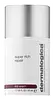
This barrier-repair moisturizer is formulated around Butyrospermum Parkii Butter and Palmitoyl Tripeptide-5 to strengthen the skin barrier and hydrate skin.
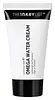
This barrier-repair moisturizer is formulated around Niacinamide to strengthen the skin barrier and balance excess oil.


What's inside
What's inside
 Key Ingredients
Benefits
Concerns
Ingredients Side-by-side
Water
Skin ConditioningIsohexadecane
EmollientDipropylene Glycol
HumectantCaprylic/Capric/Myristic/Stearic Triglyceride
EmollientLauryl PEG-9 Polydimethylsiloxyethyl Dimethicone
Skin Conditioning
Simmondsia Chinensis Seed Oil
Emollient





Butyrospermum Parkii Butter
Skin Conditioning


Dimethicone
Emollient
Glycerin
Humectant
Octyldodecyl Neopentanoate
EmollientSodium Chloride
MaskingIsostearic Acid
Cleansing
Arginine/Lysine Polypeptide
Skin Conditioning
Palmitoyl Tripeptide-5
Skin Conditioning

Avena Sativa Kernel Extract
Abrasive



Pyrus Malus Seed Extract
Skin ConditioningBorago Officinalis Seed Oil
Emollient
Oenothera Biennis Oil
Emollient
Hydrogenated Coconut Oil
Emollient
Gardenia Taitensis Flower
Skin ConditioningLaminaria Digitata Extract
Skin Protecting
Yeast Extract
Skin ConditioningGlucosamine Hcl
Cedrus Atlantica Bark Oil
Masking



Cupressus Sempervirens Leaf/Stem Extract
Skin ConditioningEucalyptus Globulus Leaf Oil
Perfuming
Helianthus Annuus Seed Oil
Emollient
Pelargonium Graveolens Flower Oil
Masking
Aniba Rosodora Wood Oil
Astringent
Abies Sibirica Oil
Masking
Santalum Album Oil
Masking
Sodium Hyaluronate
Humectant
Tocopheryl Acetate
Antioxidant

Colloidal Oatmeal
Absorbent
Madecassoside
Antioxidant
Urea
Buffering
Hexyldecanol
Emollient
Polyglyceryl-4 Isostearate
Emulsifying
Cetyl Dimethicone
Emollient
Hydrogenated Castor Oil
Emollient
Butylene Glycol
Humectant
Caprylyl Glycol
Emollient
Ethylhexylglycerin
Skin ConditioningHexylene Glycol
EmulsifyingLinalool
Perfuming
Geraniol
Perfuming
Citronellol
Perfuming
Phenoxyethanol
Preservative
Water, Isohexadecane, Dipropylene Glycol, Caprylic/Capric/Myristic/Stearic Triglyceride, Lauryl PEG-9 Polydimethylsiloxyethyl Dimethicone, Simmondsia Chinensis Seed Oil, Butyrospermum Parkii Butter, Dimethicone, Glycerin, Octyldodecyl Neopentanoate, Sodium Chloride, Isostearic Acid, Arginine/Lysine Polypeptide, Palmitoyl Tripeptide-5, Avena Sativa Kernel Extract, Pyrus Malus Seed Extract, Borago Officinalis Seed Oil, Oenothera Biennis Oil, Hydrogenated Coconut Oil, Gardenia Taitensis Flower, Laminaria Digitata Extract, Yeast Extract, Glucosamine Hcl, Cedrus Atlantica Bark Oil, Cupressus Sempervirens Leaf/Stem Extract, Eucalyptus Globulus Leaf Oil, Helianthus Annuus Seed Oil, Pelargonium Graveolens Flower Oil, Aniba Rosodora Wood Oil, Abies Sibirica Oil, Santalum Album Oil, Sodium Hyaluronate, Tocopheryl Acetate, Colloidal Oatmeal, Madecassoside, Urea, Hexyldecanol, Polyglyceryl-4 Isostearate, Cetyl Dimethicone, Hydrogenated Castor Oil, Butylene Glycol, Caprylyl Glycol, Ethylhexylglycerin, Hexylene Glycol, Linalool, Geraniol, Citronellol, Phenoxyethanol
Water
Skin ConditioningDicaprylyl Carbonate
EmollientGlycerin
Humectant
Niacinamide
Smoothing




Propanediol
Solvent
Betaine
Humectant
Polyglyceryl-4 Isostearate
Emulsifying
Coco-Caprylate/Caprate
Emollient
Magnesium Sulfate
Glycosphingolipids
EmollientGlycolipids
Skin ConditioningSodium Benzoate
Masking
Disteardimonium Hectorite
StabilisingOleic Acid
Emollient
Potassium Sorbate
Preservative
Citric Acid
Buffering
Polyglycerin-3
Humectant
Reviews
Ingredients Explained
These ingredients are found in both products.
Ingredients higher up in an ingredient list are typically present in a larger amount.
Glycerin (or glycerol) is a compound naturally found in your skin. It's a powerhouse humectant that pulls water into the stratum corneum.
Topically, glycerin does several things at once:
Your skin makes glycerin on its own (mostly from sebaceous oil breakdown) and shuttles it to your outermost layer of skin, or your epidermis, via aquaporin-3.
Aquaporin-3 is a transporter that is essential for normal skin hydration, elasticity, and repair. Interestingly, mice lacking in AQP3 have dry and less elastic skin that can be fully corrected with glycerin.
This ingredient is non-irritating, plays well with almost every ingredient, and works across all skin types. Typical use is anywhere between 3-10% but can go up to 79% in some leave-on products.
Just know very high concentrations (>40%) can feel tacky in low humidity.
Glycerin is the name for this ingredient in American English. British English uses Glycerol/Glycerine.
Learn more about GlycerinPolyglyceryl-4 Isostearate is a plant-derived, PEG-free emulsifier.
It's made by hooking isostearic acid onto a chain of glycerin units to give it a water-loving "head" and oil-loving "tail". This allows it to keep the oil and water mixed in a formula.
The highest reported concentration is about 24% in eye makeup but most suppliers recommend a level below 10%.
It has a clean track record for safety and found to be non-irritating.
Because it is an ester of a C18 fatty acid, Malassezia can potentially metabolize it (it sits in the C11-24 range that Malassezia likes). Therefore, this ingredient may not be fungal acne safe.
Learn more about Polyglyceryl-4 IsostearateWater. It's the most common cosmetic ingredient of all. You'll usually see it at the top of ingredient lists, meaning that it makes up the largest part of the product.
So why is it so popular? Water most often acts as a solvent - this means that it helps dissolve other ingredients into the formulation.
You'll also recognize water as that liquid we all need to stay alive. If you see this, drink a glass of water. Remember to stay hydrated!
Learn more about Water


