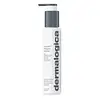
This mild cream cleanser is made to cleanse without leaving your skin tight or dry.

What's inside
What's inside
 Key Ingredients
Benefits
Concerns
Ingredients Side-by-side
Water
Skin ConditioningGlycerin
Humectant


Sodium Lauryl Glucose Carboxylate
CleansingLauryl Glucoside
CleansingSimmondsia Chinensis Seed Oil
Emollient


Decyl Glucoside
Cleansing
Polyglyceryl-3 Distearate
Emulsifying
Carthamus Tinctorius Oleosomes
Emollient
Citrus Aurantium Bergamia Fruit Oil
Masking


Jasminum Sambac Flower Extract
Masking
Gardenia Jasminoides Fruit Extract
Cosmetic ColorantHydrolyzed Jojoba Esters
Skin Conditioning
Nelumbo Nucifera Root Extract
Skin ConditioningPrunus Amygdalus Dulcis Oil
Skin Conditioning

Citrus Aurantifolia Oil
Cleansing
Jasminum Officinale Oil
Masking
Tocopherol
Antioxidant





Sodium Lauroyl Oat Amino Acids
CleansingCaprylyl Glycol
Emollient
Sodium Gluconate
ChelatingGlyceryl Oleate
Emollient
Pentylene Glycol
Skin Conditioning
Palmitic Acid
Emollient
Saccharide Isomerate
Humectant
2,3-Butanediol
HumectantMaltodextrin
Absorbent
Hydrogenated Palm Glycerides Citrate
Emollient
Xanthan Gum
EmulsifyingEthylhexylglycerin
Skin ConditioningCoco-Glucoside
Cleansing
Titanium Dioxide
Cosmetic Colorant

Sodium Astrocaryum Murumuruate
EmollientGluconolactone
Chelating




Citric Acid
Buffering
Sodium Citrate
BufferingPropanediol
Solvent
Cellulose Gum
Emulsion StabilisingStearic Acid
Cleansing
Hydroxypropyltrimonium Hyaluronate
Sorbic Acid
Preservative
Sodium Benzoate
Masking
Limonene
Perfuming
Linalool
Perfuming
Water, Glycerin, Sodium Lauryl Glucose Carboxylate, Lauryl Glucoside, Simmondsia Chinensis Seed Oil, Decyl Glucoside, Polyglyceryl-3 Distearate, Carthamus Tinctorius Oleosomes, Citrus Aurantium Bergamia Fruit Oil, Jasminum Sambac Flower Extract, Gardenia Jasminoides Fruit Extract, Hydrolyzed Jojoba Esters, Nelumbo Nucifera Root Extract, Prunus Amygdalus Dulcis Oil, Citrus Aurantifolia Oil, Jasminum Officinale Oil, Tocopherol, Sodium Lauroyl Oat Amino Acids, Caprylyl Glycol, Sodium Gluconate, Glyceryl Oleate, Pentylene Glycol, Palmitic Acid, Saccharide Isomerate, 2,3-Butanediol, Maltodextrin, Hydrogenated Palm Glycerides Citrate, Xanthan Gum, Ethylhexylglycerin, Coco-Glucoside, Titanium Dioxide, Sodium Astrocaryum Murumuruate, Gluconolactone, Citric Acid, Sodium Citrate, Propanediol, Cellulose Gum, Stearic Acid, Hydroxypropyltrimonium Hyaluronate, Sorbic Acid, Sodium Benzoate, Limonene, Linalool
Water
Skin ConditioningSodium C14-16 Olefin Sulfonate
Cleansing
Sodium Lauroyl Sarcosinate
CleansingButylene Glycol
Humectant
Hydroxyethylcellulose
Emulsion StabilisingLavandula Angustifolia Oil
Masking
Quillaja Saponaria Bark Extract
CleansingCitrus Limon Peel Oil
Masking
Melissa Officinalis Leaf Extract
Skin ConditioningCitrus Aurantium Bergamia Fruit Oil
Masking
Cymbopogon Nardus Oil
Masking
Glycerin
Humectant
Cocamidopropyl Betaine
Cleansing
Sodium Cocoamphoacetate
CleansingHydroxyacetophenone
Antioxidant
Cocamidopropyl Hydroxysultaine
Cleansing
1,2-Hexanediol
Skin Conditioning
Caprylyl Glycol
Emollient
Propanediol
Solvent
Citric Acid
Buffering
O-Cymen-5-Ol
Antimicrobial
Disodium EDTA
ChelatingPPG-5-Ceteth-20
EmulsifyingSodium Hydroxide
BufferingSodium Benzoate
Masking
Water, Sodium C14-16 Olefin Sulfonate, Sodium Lauroyl Sarcosinate, Butylene Glycol, Hydroxyethylcellulose, Lavandula Angustifolia Oil, Quillaja Saponaria Bark Extract, Citrus Limon Peel Oil, Melissa Officinalis Leaf Extract, Citrus Aurantium Bergamia Fruit Oil, Cymbopogon Nardus Oil, Glycerin, Cocamidopropyl Betaine, Sodium Cocoamphoacetate, Hydroxyacetophenone, Cocamidopropyl Hydroxysultaine, 1,2-Hexanediol, Caprylyl Glycol, Propanediol, Citric Acid, O-Cymen-5-Ol, Disodium EDTA, PPG-5-Ceteth-20, Sodium Hydroxide, Sodium Benzoate
Reviews
Ingredients Explained
These ingredients are found in both products.
Ingredients higher up in an ingredient list are typically present in a larger amount.
Caprylyl Glycol is a humectant, skin conditioner, emollient, and preservative booster derived from either caprylic acid or synthetically created.
Typical use levels vary from 0.3-1% as a preservative booster and go up to 2% to condition skin.
Because it is not a free-fatty acid, this ingredient is fungal acne safe (there's nothing for Malassezia to feed on).
Learn more about Caprylyl GlycolCitric Acid is an alpha hydroxy acid (AHA) naturally found in citrus fruits like oranges, lemons, and limes.
Like other AHAs, citric acid can exfoliate skin by breaking down the bonds that hold dead skin cells together. This helps reveal smoother and brighter skin underneath.
However, this exfoliating effect only happens at high concentrations (20%) which can be hard to find in cosmetic products.
Due to this, citric acid is usually included in small amounts as a pH adjuster. This helps keep products slightly more acidic and compatible with skin's natural pH.
In skincare formulas, citric acid can:
While it can provide some skin benefits, research shows lactic acid and glycolic acid are generally more effective and less irritating exfoliants.
Most citric acid used in skincare today is made by fermenting sugars (usually from molasses). This synthetic version is identical to the natural citrus form but easier to stabilize and use in formulations.
Rosacea skin has a lower threshold for acids generally, with 62.5% of rosacea subjects in one study reacting to lactic acid in a sting test. This is why we mark citric acid as a potential rosacea trigger.
However, this ingredient shows up as a pH adjuster or chelator at roughly 0.1-1% in many products. These low levels are unlikely to be an issue for rosacea skin and becomes a potential trigger at exfoliating concentrations (20%). Because everybody's skin is unique, we recommend a patch test if you are unsure.
Learn more about Citric AcidCitrus Aurantium Bergamia Fruit Oil is the oil from the bergamot orange and is primarily used as a fragrance. It has a "fresh" and "bright orange" scent.
The main aroma compounds found in this ingredient are limonene (~27-52%), linalool (~2-22%), and linalyl acetate (~27-40%). These are known EU fragrance allergens.
The term 'fragrance' is not regulated in many countries. In many cases, it is up to the brand to define this term. For instance, many brands choose to label themselves as "fragrance-free" because they are not using synthetic fragrances. However, their products may still contain ingredients such as essential oils that are considered a fragrance.
When used topically, Citrus Aurantium Bergamia Fruit Oil is a photosensitizer due to the furanocoumarin content. Furanocoumarins absorb UV-A and cause phytophotodermatitis; this can look like redness, blistering, and lasting brown pigmentation on sun-exposed skin.
Due to this, this ingredient is capped at 0.4% in leave-on products applied to sun exposed skin.
Many modern formulas used a "furanocoumarin-free" version that sidesteps the phototoxicity issue, but still contains the fragrance allergens.
Learn more about Citrus Aurantium Bergamia Fruit OilGlycerin (or glycerol) is a compound naturally found in your skin. It's a powerhouse humectant that pulls water into the stratum corneum.
Topically, glycerin does several things at once:
Your skin makes glycerin on its own (mostly from sebaceous oil breakdown) and shuttles it to your outermost layer of skin, or your epidermis, via aquaporin-3.
Aquaporin-3 is a transporter that is essential for normal skin hydration, elasticity, and repair. Interestingly, mice lacking in AQP3 have dry and less elastic skin that can be fully corrected with glycerin.
This ingredient is non-irritating, plays well with almost every ingredient, and works across all skin types. Typical use is anywhere between 3-10% but can go up to 79% in some leave-on products.
Just know very high concentrations (>40%) can feel tacky in low humidity.
Glycerin is the name for this ingredient in American English. British English uses Glycerol/Glycerine.
Learn more about GlycerinPropanediol is an all-star ingredient. It softens, hydrates, and smooths the skin.
It’s often used to:
Propanediol is not likely to cause sensitivity and considered safe to use. It is derived from corn or petroleum with a clear color and no scent.
Learn more about PropanediolSodium Benzoate is a preservative. It's used in both cosmetic and food products to inhibit the growth of mold and bacteria. It is typically produced synthetically.
Both the US FDA and EU Health Committee have approved the use of sodium benzoate. In the US, levels of 0.1% (of the total product) are allowed.
Sodium benzoate works as a preservative by inhibiting the growth of bacteria inside of cells. It prevents the cell from fermenting a type of sugar using an enzyme called phosphofructokinase.
It is the salt of benzoic acid. Foods containing sodium benzoate include soda, salad dressings, condiments, fruit juices, wines, and snack foods.
Studies for using ascorbic acid and sodium benzoate in cosmetics are lacking, especially in skincare routines with multiple steps.
We always recommend speaking with a professional, such as a dermatologist, if you have any concerns.
Learn more about Sodium BenzoateWater. It's the most common cosmetic ingredient of all. You'll usually see it at the top of ingredient lists, meaning that it makes up the largest part of the product.
So why is it so popular? Water most often acts as a solvent - this means that it helps dissolve other ingredients into the formulation.
You'll also recognize water as that liquid we all need to stay alive. If you see this, drink a glass of water. Remember to stay hydrated!
Learn more about Water

