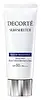
This chemical sunscreen covers burning UVB and near UVA but not the deep UVA that drives aging.
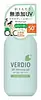
This hybrid sunscreen covers the full UV range and blocks ~98% of UVB at SPF 50.

What's inside
What's inside
 Key Ingredients
Benefits
Concerns
Ingredients Side-by-side
Water
Skin ConditioningTris-Biphenyl Triazine
UV Absorber
Dipropylene Glycol
HumectantStearoyl Inulin
EmollientAscorbyl Tetraisopalmitate
Antioxidant




Aspalathus Linearis Extract
Skin ConditioningEucalyptus Globulus Leaf Extract
Perfuming
Hydrolyzed Collagen
Emollient

Hydrolyzed Silk
Humectant
Hydroxyproline
Skin ConditioningSoluble Collagen
Humectant
Tocopherol
Antioxidant



Alumina
Abrasive
BHT
Antioxidant
Butylene Glycol
Humectant
Cetearyl Alcohol
Emollient




Dimethicone/Polyglycerin-3 Crosspolymer
Cleansing
Isohexadecane
EmollientNylon-12


PEG-10 Hydrogenated Castor Oil
Emollient
PEG-40 Hydrogenated Castor Oil
Emulsifying
Polyhydroxystearic Acid
Emulsifying
Polysorbate 80
Emulsifying
Sodium Acrylate/Sodium Acryloyldimethyl Taurate Copolymer
Emulsion StabilisingSorbitan Oleate
Emulsifying
Stearic Acid
Cleansing
Triethoxycaprylylsilane
Triethylhexanoin
MaskingTrilaureth-4 Phosphate
EmulsifyingVinyl Dimethicone/Lauryl Dimethicone Crosspolymer
Surfactant
Xanthan Gum
EmulsifyingPhenoxyethanol
Preservative
Parfum
Masking

Citronellol
Perfuming
Limonene
Perfuming
Linalool
Perfuming
CI 77891
Cosmetic ColorantWater, Tris-Biphenyl Triazine, Dipropylene Glycol, Stearoyl Inulin, Ascorbyl Tetraisopalmitate, Aspalathus Linearis Extract, Eucalyptus Globulus Leaf Extract, Hydrolyzed Collagen, Hydrolyzed Silk, Hydroxyproline, Soluble Collagen, Tocopherol, Alumina, BHT, Butylene Glycol, Cetearyl Alcohol, Dimethicone/Polyglycerin-3 Crosspolymer, Isohexadecane, Nylon-12, PEG-10 Hydrogenated Castor Oil, PEG-40 Hydrogenated Castor Oil, Polyhydroxystearic Acid, Polysorbate 80, Sodium Acrylate/Sodium Acryloyldimethyl Taurate Copolymer, Sorbitan Oleate, Stearic Acid, Triethoxycaprylylsilane, Triethylhexanoin, Trilaureth-4 Phosphate, Vinyl Dimethicone/Lauryl Dimethicone Crosspolymer, Xanthan Gum, Phenoxyethanol, Parfum, Citronellol, Limonene, Linalool, CI 77891
Water
Skin ConditioningButylene Glycol
Humectant
Ethylhexyl Methoxycinnamate
UV Absorber
Hydrogenated Polyisobutene
EmollientCetyl Ethylhexanoate
EmollientDiethylamino Hydroxybenzoyl Hexyl Benzoate
UV Filter
Titanium Dioxide
Cosmetic Colorant
Silica
Abrasive
Cannabis Sativa Seed Extract
EmollientLeontopodium Alpinum Flower/Leaf Extract
Skin ConditioningPinus Sylvestris Leaf/Stem Extract
Zingiber Officinale Root Extract
Masking

Abies Alba Seed Extract
Antimicrobial
PEG-12 Dimethicone
Skin Conditioning
Ethylhexyl Triazone
UV Absorber
Bis-Ethylhexyloxyphenol Methoxyphenyl Triazine
UV Absorber
Stearyl Dimethicone
Emollient
Triethoxycaprylylsilane
Sodium Acrylate/Sodium Acryloyldimethyl Taurate Copolymer
Emulsion StabilisingAluminum Hydroxide
EmollientPolyglyceryl-3 Methylglucose Distearate
Emulsifying
Tocopheryl Acetate
Antioxidant
Xanthan Gum
EmulsifyingIsohexadecane
EmollientPolysorbate 80
Emulsifying
Sorbitan Oleate
Emulsifying
Glycerin
Humectant
Tocopherol
Antioxidant
Citric Acid
Buffering
Sodium Phosphate
BufferingPhenoxyethanol
Preservative
BHT
Antioxidant
Water, Butylene Glycol, Ethylhexyl Methoxycinnamate, Hydrogenated Polyisobutene, Cetyl Ethylhexanoate, Diethylamino Hydroxybenzoyl Hexyl Benzoate, Titanium Dioxide, Silica, Cannabis Sativa Seed Extract, Leontopodium Alpinum Flower/Leaf Extract, Pinus Sylvestris Leaf/Stem Extract, Zingiber Officinale Root Extract, Abies Alba Seed Extract, PEG-12 Dimethicone, Ethylhexyl Triazone, Bis-Ethylhexyloxyphenol Methoxyphenyl Triazine, Stearyl Dimethicone, Triethoxycaprylylsilane, Sodium Acrylate/Sodium Acryloyldimethyl Taurate Copolymer, Aluminum Hydroxide, Polyglyceryl-3 Methylglucose Distearate, Tocopheryl Acetate, Xanthan Gum, Isohexadecane, Polysorbate 80, Sorbitan Oleate, Glycerin, Tocopherol, Citric Acid, Sodium Phosphate, Phenoxyethanol, BHT
Reviews
Ingredients Explained
These ingredients are found in both products.
Ingredients higher up in an ingredient list are typically present in a larger amount.
BHT is a synthetic antioxidant and preservative.
As an antioxidant, it helps your body fight off free-radicals. Free-radicals are molecules that may damage your skin cells.
As a preservative, it is used to stabilize products and prevent them from degrading. Specifically, BHT prevents degradation from oxidation.
The concerns related to BHT come from oral studies; this ingredient is currently allowed for use by both the FDA and EU.
However, it was recently restricted for use in the UK as of April 2024.
Learn more about BHTButylene Glycol (or BG) is used within cosmetic products for a few different reasons:
Overall, Butylene Glycol is a safe and well-rounded ingredient that works well with other ingredients.
Though this ingredient works well with most skin types, some people with sensitive skin may experience a reaction such as allergic rashes, closed comedones, or itchiness.
Learn more about Butylene GlycolIsohexadecane is added to enhance texture, emulsify, and to help cleanse. It is an isoparrafin. It is a component of petrolatum.
Due to its large size, Isohexadecane is not absorbed by the skin. Instead, it sits on top and acts as an emollient. Emollients help keep your skin soft and smooth by trapping moisture within.
Isohexadecane is often used in products designed to help oily skin. It is lightweight and non-greasy while helping to moisturize. When mixed with silicones, it gives a product a silky feel.
Learn more about IsohexadecanePhenoxyethanol is one of the most widely used preservatives in skincare (and for good reason!).
It has a large spectrum of antimicrobial activity and especially effective bacteria, yeast, and mold while only having a weak effect on your skin's natural microbiome.
On a cellular level, it disrupts the cell membranes of microbes by poking holes that make the cell leak. This shuts down the chemical reactions the microbe needs to make energy so it can no longer survive.
Another perk of this ingredient is that it stays functional across a wide pH range (3-10).
You'll often see it paired with boosters like Ethylhexylglycerin; one study showed that a 1:9 ratio of Ethylhexylglycerin to Phenoxyethanol damages bacterial membranes as effectively as doubling the Phenoxyethanol concentration on its own.
Typical use concentrations range from 0.3-1% depending on the formula, and this ingredient is capped at 1% int the EU.
Safety-wise, the fear mongering does not hold up to the evidence. The EU's Scientific Committee on Consumer Safety and FDA consider it safe as a preservative at up to 1%, including for children of all ages.
Adverse systemic effects only showed up in animal studies at exposures roughly 200x higher than what people get from cosmetics. And despite its very widespread use, this ingredient is a rare sensitizer and allergic reactions are uncommon.
Learn more about PhenoxyethanolPolysorbate 80 is a synthetic surfactant and emulsifier derived from sorbitol and oleic acid.
It reduces the surface tension between oil and water phases to help them stay mixed and stable in a formulation. In other words, it prevents your formulas from separating into an oily mess.
The CIR Expert Panel has evaluated the scientific data and found this ingredient to be safe, non-irritating, and non-sensitizing at concentrations up to 5% (it's even approved by the FDA as an OTC eye drop ingredient).
Learn more about Polysorbate 80This long ingredient is a copolymer of sodium acrylate and sodium acryloyldimethyl taurate monomers.
It is used to help stabilize other ingredients and create a thicker gel-like texture.
Emulsifiers prevent oils and waters from separating.
Learn more about Sodium Acrylate/Sodium Acryloyldimethyl Taurate CopolymerSorbitan Oleate is a PEG-free emulsifier made by esterifying sorbitol with oleic acid.
You'll likely see it paired with Polysorbate 80 to create the right emulsification balance.
Typical use levels in formulas range from 2-10%.
The CIR Expert Panel has concluded this ingredient to be safe as a cosmetic ingredient.
Since this ingredient is an ester of oleic acid, it may not be fungal acne safe. Oleic acid is a fatty acid that falls into the C11-24 range that Malassezia can metabolize.
This ingredient does have a comedogenic rating of 3, but this doesn't mean a formula with this ingredient will clog pores. Human testing has proved that any finished product with a comedogenic ingredient won't automatically make you break out; it really comes down to concentration, formula, and your skin.
Learn more about Sorbitan OleateTocopherol is a fat-soluble antioxidant known as Vitamin E.
You'll find this ingredient in the vast majority of skincare (for good reason). It works to neutralize free radicals, or unstable molecules generated by UV exposure, pollution, and other environmental stressors, before they can cause oxidative damage to your skin cells.
Topically applied tocopherol has been shown to protect against UV damage by ramping up the skin's own natural defense enzymes.
It also acts as a skin conditioning agent; some studies show that regular topical use can improve the skin's water-binding capacity over 2-4 weeks.
This ingredient is especially loved for being a team player. When combined with Vitamin C, the photoprotective effect of both ingredients roughly doubles and the combo also helps reduce UV-induced DNA damage.
This ingredient has some brightening potential but it's more of a prevention ingredient than spot-fader. Cell studies show it can slow down melanin production but it's worth noting that it's not the most powerful brightener out there.
In formulations, it also serves as a stabilizer that helps protect other oxidation-prone ingredients from degrading.
Concentrations usually range from 0.1-1% in most leave-on products.
Learn more about TocopherolTriethoxycaprylylsilane is a silicon-based surface modifier that makes sunscreens feel silky and makeup stay put.
Its main job is to coat mineral particles like titanium dioxide, zinc oxide, and color pigments in a thin, oily layer so they spread smoothly, don't clump, and stick to skin better.
This ingredient is typically used at low levels (up to 2.5% in eyeshadow and 1% in lipstick).
Learn more about TriethoxycaprylylsilaneWater. It's the most common cosmetic ingredient of all. You'll usually see it at the top of ingredient lists, meaning that it makes up the largest part of the product.
So why is it so popular? Water most often acts as a solvent - this means that it helps dissolve other ingredients into the formulation.
You'll also recognize water as that liquid we all need to stay alive. If you see this, drink a glass of water. Remember to stay hydrated!
Learn more about WaterXanthan gum is used as a stabilizer and thickener within cosmetic products. It helps give products a sticky, thick feeling - preventing them from being too runny.
On the technical side of things, xanthan gum is a polysaccharide - a combination consisting of multiple sugar molecules bonded together.
Xanthan gum is a pretty common and great ingredient. It is a natural, non-toxic, non-irritating ingredient that is also commonly used in food products.
Learn more about Xanthan Gum

