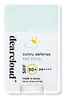
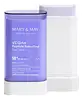
Dearcloud Sunny Defense Sunscreen Stick SPF 50+ PA++++ Versus Mary & May Vegan Peptide Bakuchiol Sun Stick SPF 50+ PA++++
This chemical sunscreen covers most of the UV range, lighter on the deep UVA that drives aging.
This hybrid sunscreen covers the full UV range and blocks ~98% of UVB at SPF 50.

What's inside
What's inside
 Key Ingredients
Benefits
Concerns
Ingredients Side-by-side
Butyl Methoxydibenzoylmethane 2.5%
UV Absorber
Homosalate 9.5%
Skin Conditioning
Ethylhexyl Salicylate 4.5%
UV Absorber
Octocrylene 9.5%
UV Absorber

Ethylhexyl Palmitate
Emollient



Synthetic Wax
Abrasive
Butyloctyl Salicylate
Skin Conditioning
Dicaprylyl Carbonate
EmollientEthylhexylglycerin
Skin ConditioningWater
Skin ConditioningTocopherol
Antioxidant







Allantoin
Skin Conditioning

Butylene Glycol
Humectant
1,2-Hexanediol
Skin Conditioning
Centella Asiatica Extract
Cleansing
Hydrolyzed Hyaluronic Acid
Humectant
Hydrolyzed Sodium Hyaluronate
Skin Conditioning
Dimethylsilanol Hyaluronate
Humectant
Sodium Hyaluronate
Humectant
Hyaluronic Acid
Humectant
Potassium Hyaluronate
Skin ConditioningSodium Hyaluronate Crosspolymer
Humectant
Hydroxypropyltrimonium Hyaluronate
Sodium Hyaluronate Dimethylsilanol
HumectantSodium Acetylated Hyaluronate
Humectant
Butyl Methoxydibenzoylmethane 2.5%, Homosalate 9.5%, Ethylhexyl Salicylate 4.5%, Octocrylene 9.5%, Ethylhexyl Palmitate, Synthetic Wax, Butyloctyl Salicylate, Dicaprylyl Carbonate, Ethylhexylglycerin, Water, Tocopherol, Allantoin, Butylene Glycol, 1,2-Hexanediol, Centella Asiatica Extract, Hydrolyzed Hyaluronic Acid, Hydrolyzed Sodium Hyaluronate, Dimethylsilanol Hyaluronate, Sodium Hyaluronate, Hyaluronic Acid, Potassium Hyaluronate, Sodium Hyaluronate Crosspolymer, Hydroxypropyltrimonium Hyaluronate, Sodium Hyaluronate Dimethylsilanol, Sodium Acetylated Hyaluronate
Cetyl Ethylhexanoate
EmollientMethyl Methacrylate Crosspolymer

Butylene Glycol Dicaprylate/Dicaprate
EmollientSynthetic Wax
Abrasive
Vinyl Dimethicone/Methicone Silsesquioxane Crosspolymer

Isopropyl Palmitate
Emollient
Dicaprylyl Carbonate
EmollientButyloctyl Salicylate
Skin Conditioning
Diethylamino Hydroxybenzoyl Hexyl Benzoate
UV Filter
Ethylhexyl Triazone
UV Absorber
Ozokerite
Emulsion StabilisingPolysilicone-15
UV Filter
Bis-Ethylhexyloxyphenol Methoxyphenyl Triazine
UV Absorber
Bakuchiol
Antimicrobial
Vinyldimethicone
Titanium Dioxide
Cosmetic Colorant
Glyceryl Caprylate
EmollientCaprylyl Glycol
Emollient
Polyglyceryl-4 Diisostearate/Polyhydroxystearate/Sebacate
Emulsifying
Coco-Caprylate/Caprate
Emollient
Ethylhexylglycerin
Skin ConditioningPolyhydroxystearic Acid
Emulsifying
Triethoxycaprylylsilane
Aluminum Hydroxide
EmollientTocopherol
Antioxidant
Butylene Glycol
Humectant
Water
Skin Conditioning1,2-Hexanediol
Skin Conditioning
Polyglyceryl-10 Laurate
Skin Conditioning
Acetyl Hexapeptide-8
Humectant
Acetyl Octapeptide-3
Humectant
Nonapeptide-1
Skin Conditioning
Dipeptide-2
Skin Conditioning
Dipeptide-4
Skin Conditioning
Acetyl Tetrapeptide-2
Skin Conditioning
Acetyl Tetrapeptide-3
Skin Protecting
Acetyl Tetrapeptide-5
Humectant
Acetyl Tripeptide-1
Skin Conditioning
Alanine/Histidine/Lysine Polypeptide Copper Hcl
Skin Conditioning
Oligopeptide-6
Skin Conditioning
Copper Tripeptide-1
Skin Conditioning
Tripeptide-1
Skin Conditioning
Tripeptide-2
Skin Conditioning
Tripeptide-3
Skin Conditioning
Pentapeptide-3
Skin Conditioning
Hexapeptide-2
Bleaching
Hexapeptide-9
Skin Conditioning
Dipeptide Diaminobutyroyl Benzylamide Diacetate
Skin Conditioning
Palmitoyl Dipeptide-7
Skin Conditioning
Palmitoyl Tetrapeptide-7
Skin Conditioning
Palmitoyl Tripeptide-1
Skin Conditioning
Palmitoyl Tripeptide-5
Skin Conditioning
Palmitoyl Pentapeptide-4
Skin Conditioning
Palmitoyl Hexapeptide-12
Skin Conditioning
Aroma


Ultramarines
Cetyl Ethylhexanoate, Methyl Methacrylate Crosspolymer, Butylene Glycol Dicaprylate/Dicaprate, Synthetic Wax, Vinyl Dimethicone/Methicone Silsesquioxane Crosspolymer, Isopropyl Palmitate, Dicaprylyl Carbonate, Butyloctyl Salicylate, Diethylamino Hydroxybenzoyl Hexyl Benzoate, Ethylhexyl Triazone, Ozokerite, Polysilicone-15, Bis-Ethylhexyloxyphenol Methoxyphenyl Triazine, Bakuchiol, Vinyldimethicone, Titanium Dioxide, Glyceryl Caprylate, Caprylyl Glycol, Polyglyceryl-4 Diisostearate/Polyhydroxystearate/Sebacate, Coco-Caprylate/Caprate, Ethylhexylglycerin, Polyhydroxystearic Acid, Triethoxycaprylylsilane, Aluminum Hydroxide, Tocopherol, Butylene Glycol, Water, 1,2-Hexanediol, Polyglyceryl-10 Laurate, Acetyl Hexapeptide-8, Acetyl Octapeptide-3, Nonapeptide-1, Dipeptide-2, Dipeptide-4, Acetyl Tetrapeptide-2, Acetyl Tetrapeptide-3, Acetyl Tetrapeptide-5, Acetyl Tripeptide-1, Alanine/Histidine/Lysine Polypeptide Copper Hcl, Oligopeptide-6, Copper Tripeptide-1, Tripeptide-1, Tripeptide-2, Tripeptide-3, Pentapeptide-3, Hexapeptide-2, Hexapeptide-9, Dipeptide Diaminobutyroyl Benzylamide Diacetate, Palmitoyl Dipeptide-7, Palmitoyl Tetrapeptide-7, Palmitoyl Tripeptide-1, Palmitoyl Tripeptide-5, Palmitoyl Pentapeptide-4, Palmitoyl Hexapeptide-12, Aroma, Ultramarines
Reviews
Ingredients Explained
These ingredients are found in both products.
Ingredients higher up in an ingredient list are typically present in a larger amount.
1,2-Hexanediol is a synthetic liquid and another multi-functional powerhouse.
It is a:
- Humectant, drawing moisture into the skin
- Emollient, helping to soften skin
- Solvent, dispersing and stabilizing formulas
- Preservative booster, enhancing the antimicrobial activity of other preservatives
Butylene Glycol (or BG) is used within cosmetic products for a few different reasons:
Overall, Butylene Glycol is a safe and well-rounded ingredient that works well with other ingredients.
Though this ingredient works well with most skin types, some people with sensitive skin may experience a reaction such as allergic rashes, closed comedones, or itchiness.
Learn more about Butylene GlycolButyloctyl Salicylate is a chemical UV filter structurally similar to octisalate. It is a photostabilizer, SPF booster, emollient and solvent. This ingredient helps evenly spread out ingredients.
According to a manufacturer, it is suitable for pairing with micro Titanium Dioxide, Zinc Oxide, and pigments.
Photostabilizers help stabilize UV-filters and prevents them from degrading quickly.
Learn more about Butyloctyl SalicylateDicaprylyl Carbonate comes from carbonic acid and caprylyl alcohol, a fatty alcohol. It is an emollient and gives skin a velvet feel. The sources of Dicaprylyl Carbonate may be synthetic or from animals.
As an emollient, Dicaprylyl Carbonate creates a film on the skin. This film traps moisture in, keeping your skin soft and hydrated.
Ethylhexylglycerin is created from glycerin. It is a multitasker ingredient that:
The CIR Expert Panel found minimal skin absorption or sensitization of any kind in a safety assessment. Though this ingredient is considered well-tolerated, a small number of cases of allergic dermatitis have been published since 2002. Just be sure to patch test if you are unsure.
Industry-reported use ranges from 8% in rinse-off products and 2% in leave-on formulations.
Learn more about EthylhexylglycerinSynthetic Wax is a manufactured hydrocarbon wax. In formulas, it works as an occlusive emollient that helps reduce water loss and improves the spreadability of products.
Research comparing synthetic wax to traditional mineral-derived products found that formulas containing it perform as well for skin hydration.
It is considered non-comedogenic and vegan-friendly.
This ingredient has a well-established safety record by the CIR Expert Panel for Cosmetic Ingredient Safety.
Synthetic Waxes are straight/branched-chain hydrocarbons with no ester bond or fatty acids. That means there is nothing for the Malassezia yeast to feed on.
Learn more about Synthetic WaxTocopherol is a fat-soluble antioxidant known as Vitamin E.
You'll find this ingredient in the vast majority of skincare (for good reason). It works to neutralize free radicals, or unstable molecules generated by UV exposure, pollution, and other environmental stressors, before they can cause oxidative damage to your skin cells.
Topically applied tocopherol has been shown to protect against UV damage by ramping up the skin's own natural defense enzymes.
It also acts as a skin conditioning agent; some studies show that regular topical use can improve the skin's water-binding capacity over 2-4 weeks.
This ingredient is especially loved for being a team player. When combined with Vitamin C, the photoprotective effect of both ingredients roughly doubles and the combo also helps reduce UV-induced DNA damage.
This ingredient has some brightening potential but it's more of a prevention ingredient than spot-fader. Cell studies show it can slow down melanin production but it's worth noting that it's not the most powerful brightener out there.
In formulations, it also serves as a stabilizer that helps protect other oxidation-prone ingredients from degrading.
Concentrations usually range from 0.1-1% in most leave-on products.
Learn more about TocopherolWater. It's the most common cosmetic ingredient of all. You'll usually see it at the top of ingredient lists, meaning that it makes up the largest part of the product.
So why is it so popular? Water most often acts as a solvent - this means that it helps dissolve other ingredients into the formulation.
You'll also recognize water as that liquid we all need to stay alive. If you see this, drink a glass of water. Remember to stay hydrated!
Learn more about Water

