This barrier-repair lip moisturizer is formulated around Argania Spinosa Kernel Oil and Simmondsia Chinensis Seed Oil to strengthen the lip barrier and hydrate lips.

What's inside
What's inside
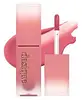 Key Ingredients
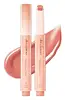
No key ingredients
Benefits
Concerns
Ingredients Side-by-side
Dimethicone
Emollient

Isododecane
EmollientTrimethylsiloxysilicate
Emollient
Dimethicone Crosspolymer
Emulsion Stabilising
Disiloxane
Skin Conditioning
Dimethicone/Vinyl Dimethicone Crosspolymer
Skin Conditioning
Diisostearyl Malate
EmollientCI 77891
Cosmetic ColorantBis-Hydroxyethoxypropyl Dimethicone/Ipdi Copolymer Ethylcarbamate
Sorbitan Isostearate
Emulsifying

Polyglyceryl-2 Triisostearate
Emulsifying
Diphenylsiloxy Phenyl Trimethicone
Skin Conditioning
Polyhydroxystearic Acid
Emulsifying
Vinyl Dimethicone/Methicone Silsesquioxane Crosspolymer

CI 15985
Cosmetic ColorantPolyglyceryl-2 Diisostearate
Emulsifying
CI 45380
Cosmetic ColorantCI 17200
Cosmetic ColorantEthylhexyl Palmitate
Emollient


Isopropyl Myristate
Emollient
Isostearic Acid
Cleansing
Lecithin
Emollient

Polyglyceryl-3 Polyricinoleate
Emulsifying
Parfum
Masking

Dehydroacetic Acid
Preservative
CI 77491
Cosmetic ColorantPentylene Glycol
Skin Conditioning
Rosa Damascena Flower Water
Masking

Rosa Damascena Flower Oil
Masking


Dimethicone, Isododecane, Trimethylsiloxysilicate, Dimethicone Crosspolymer, Disiloxane, Dimethicone/Vinyl Dimethicone Crosspolymer, Diisostearyl Malate, CI 77891, Bis-Hydroxyethoxypropyl Dimethicone/Ipdi Copolymer Ethylcarbamate, Sorbitan Isostearate, Polyglyceryl-2 Triisostearate, Diphenylsiloxy Phenyl Trimethicone, Polyhydroxystearic Acid, Vinyl Dimethicone/Methicone Silsesquioxane Crosspolymer, CI 15985, Polyglyceryl-2 Diisostearate, CI 45380, CI 17200, Ethylhexyl Palmitate, Isopropyl Myristate, Isostearic Acid, Lecithin, Polyglyceryl-3 Polyricinoleate, Parfum, Dehydroacetic Acid, CI 77491, Pentylene Glycol, Rosa Damascena Flower Water, Rosa Damascena Flower Oil
Hydrogenated Polyisobutene
EmollientDipentaerythrityl Tetrahydroxystearate/Tetraisostearate
Skin Conditioning
Ethylhexyl Hydroxystearate
Emollient
Tridecyl Trimellitate
EmollientMethyl Hydrogenated Rosinate
Perfuming
Phytosteryl/Isostearyl/Cetyl/Stearyl/Behenyl Dimer Dilinoleate
Skin Conditioning
Propylene Glycol Dibenzoate
Skin ConditioningSynthetic Wax
Abrasive
Diisostearyl Malate
EmollientParaffin
Skin Conditioning
Argania Spinosa Kernel Oil
Emollient
Simmondsia Chinensis Seed Oil
Emollient
Acer Saccharum Extract
Skin ConditioningEuterpe Oleracea Fruit Extract
Fragaria Chiloensis Fruit Extract
Skin Conditioning
Lycium Chinense Fruit Extract
Antioxidant
Morus Nigra Fruit Extract
Skin ConditioningRibes Nigrum Fruit Extract
Astringent
Rubus Fruticosus Fruit Extract
AstringentRubus Idaeus Fruit Extract
AstringentVaccinium Angustifolium Fruit Extract
Skin Protecting
Vaccinium Macrocarpon Fruit Extract
AstringentVaccinium Myrtillus Fruit Extract
Skin ConditioningPhytosteryl Macadamiate
Skin Conditioning
Silica Silylate
Emollient
Sorbitan Isostearate
Emulsifying
Vp/Hexadecene Copolymer
Dextrin Palmitate
Emulsifying
Microcrystalline Wax
Emulsion StabilisingPolyglyceryl-2 Triisostearate
Emulsifying
Cera Microcristallina
Emulsion StabilisingPolyglyceryl-2 Diisostearate
Emulsifying
Water
Skin ConditioningButylene Glycol
Humectant
Ethylhexylglycerin
Skin ConditioningPhenoxyethanol
Preservative
CI 77891
Cosmetic ColorantCI 77491
Cosmetic ColorantCI 77492
Cosmetic ColorantCI 15850
Cosmetic ColorantCI 15985
Cosmetic ColorantCI 77499
Cosmetic ColorantHydrogenated Polyisobutene, Dipentaerythrityl Tetrahydroxystearate/Tetraisostearate, Ethylhexyl Hydroxystearate, Tridecyl Trimellitate, Methyl Hydrogenated Rosinate, Phytosteryl/Isostearyl/Cetyl/Stearyl/Behenyl Dimer Dilinoleate, Propylene Glycol Dibenzoate, Synthetic Wax, Diisostearyl Malate, Paraffin, Argania Spinosa Kernel Oil, Simmondsia Chinensis Seed Oil, Acer Saccharum Extract, Euterpe Oleracea Fruit Extract, Fragaria Chiloensis Fruit Extract, Lycium Chinense Fruit Extract, Morus Nigra Fruit Extract, Ribes Nigrum Fruit Extract, Rubus Fruticosus Fruit Extract, Rubus Idaeus Fruit Extract, Vaccinium Angustifolium Fruit Extract, Vaccinium Macrocarpon Fruit Extract, Vaccinium Myrtillus Fruit Extract, Phytosteryl Macadamiate, Silica Silylate, Sorbitan Isostearate, Vp/Hexadecene Copolymer, Dextrin Palmitate, Microcrystalline Wax, Polyglyceryl-2 Triisostearate, Cera Microcristallina, Polyglyceryl-2 Diisostearate, Water, Butylene Glycol, Ethylhexylglycerin, Phenoxyethanol, CI 77891, CI 77491, CI 77492, CI 15850, CI 15985, CI 77499
Ingredients Explained
These ingredients are found in both products.
Ingredients higher up in an ingredient list are typically present in a larger amount.
Ci 15985 is a dye made from petroleum. It is synthetically created and approved by the FDA for use in foods and cosmetics.
The color of this dye is orange/yellow.
This ingredient can be found in makeup, sun care, and skincare.
Learn more about CI 15985Ci 77491 is also hydrated iron III oxide. It's sole purpose is to give a red/pink hue to products.
Iron III oxides are classified as inorganic chemicals for coloring.
Synthetically created Ci 77491 is considered safer than those naturally found. This is because the synthetically created version may contain less impurities. Iron oxides are generally non-toxic and non-allergenic.
Learn more about CI 77491Ci 77891 is a white pigment from Titanium dioxide. It is naturally found in minerals such as rutile and ilmenite.
It's main function is to add a white color to cosmetics. It can also be mixed with other colors to create different shades.
Ci 77891 is commonly found in sunscreens due to its ability to block UV rays.
Learn more about CI 77891Diisostearyl Malate is an emollient and most often used in lip products. It comes from isostearyl alcohol, a fatty acid, and malic acid, an AHA.
As an emollient, Diisostearyl Malate helps create a thin film on your skin to trap moisture in. This helps keep your skin soft and smooth.
Polyglyceryl-2 Diisostearate isn't fungal acne safe.
Polyglyceryl-2 Triisostearate is a plant-derived emulsifier and pigment-dispersing agent with a non-sticky skin feel.
It helps products glide on smoothly and prevents oil and water from separating in a formula, making it suitable for sunscreen and makeup formulations.
The EU inventory of cosmetics has no use restrictions on this ingredient and it is considered well-tolerated.
This ingredient may not be fungal acne safe because it is derived from isostearic acid.
Learn more about Polyglyceryl-2 TriisostearateSorbitan Isostearate is an emulsifer. It is created from isostearic acid and sorbitol.
As an emulsifier, it keeps the water and oil ingredients from separating. This keeps formulas stable and smooth.
In a 24 hour occlusive patch test on 56 subjects, 10% sorbitan isostearate was completely non-irritating. Most formulas use less than 10%.
Because it's a fatty acid ester, it may not be fungal acne safe since the Malassezia yeast can utilize it as a nutrient source.
Learn more about Sorbitan Isostearate

