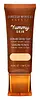
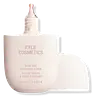
Danessa Myricks Beauty Yummy Skin Serum Skin Tint Versus Kylie Cosmetics Skin Tint Blurring Elixir Foundation

What's inside
What's inside
 Key Ingredients
Benefits
Concerns
Ingredients Side-by-side
Water
Skin ConditioningGlycerin
Humectant


Isododecane
EmollientDimethicone
Emollient
Propylene Glycol
Humectant

Calcium Sodium Borosilicate
Caprylic/Capric Triglyceride
Masking
Hydrogenated Polyisobutene
EmollientSqualane
Emollient
Xylitylglucoside
Humectant
Anhydroxylitol
Humectant
Sr-Hydrozoan Polypeptide-1
Humectant
Sodium Hyaluronate
Humectant

Ceramide NP
Skin Conditioning

Phytosterols
Skin Conditioning
Opunta Dillenii Extract
Xylitol
Humectant
Caprylhydroxamic Acid
ChelatingSaccharide Isomerate
Humectant
Sodium Stearoyl Glutamate
CleansingTocopheryl Acetate
Antioxidant


Stearalkonium Hectorite
Gel FormingPropylene Carbonate
SolventCoco-Caprylate/Caprate
Emollient
Glyceryl Stearate
Emollient
Betaine
Humectant
Magnesium Sulfate
Glyceryl Caprylate
EmollientPentylene Glycol
Skin Conditioning
Polyglyceryl-4 Diisostearate/Polyhydroxystearate/Sebacate
Emulsifying
Sorbitan Isostearate
Emulsifying
Butylene Glycol
Humectant
Phosphatidylcholine
EmulsifyingHydroxyacetophenone
Antioxidant
Ethylhexyl Hydroxystearate
Emollient
Cetyl PEG/PPG-10/1 Dimethicone
Emulsifying
Triethoxycaprylylsilane
Aluminum Hydroxide
EmollientPotassium Sorbate
Preservative
Phenoxyethanol
Preservative
CI 77163
Cosmetic Colorant
Titanium Dioxide
Cosmetic Colorant

Iron Oxides
Water, Glycerin, Isododecane, Dimethicone, Propylene Glycol, Calcium Sodium Borosilicate, Caprylic/Capric Triglyceride, Hydrogenated Polyisobutene, Squalane, Xylitylglucoside, Anhydroxylitol, Sr-Hydrozoan Polypeptide-1, Sodium Hyaluronate, Ceramide NP, Phytosterols, Opunta Dillenii Extract, Xylitol, Caprylhydroxamic Acid, Saccharide Isomerate, Sodium Stearoyl Glutamate, Tocopheryl Acetate, Stearalkonium Hectorite, Propylene Carbonate, Coco-Caprylate/Caprate, Glyceryl Stearate, Betaine, Magnesium Sulfate, Glyceryl Caprylate, Pentylene Glycol, Polyglyceryl-4 Diisostearate/Polyhydroxystearate/Sebacate, Sorbitan Isostearate, Butylene Glycol, Phosphatidylcholine, Hydroxyacetophenone, Ethylhexyl Hydroxystearate, Cetyl PEG/PPG-10/1 Dimethicone, Triethoxycaprylylsilane, Aluminum Hydroxide, Potassium Sorbate, Phenoxyethanol, CI 77163, Titanium Dioxide, Iron Oxides
Water
Skin ConditioningIsododecane
EmollientDimethicone
Emollient
Trimethylsiloxysilicate
Emollient
Propanediol
Solvent
Cetyl PEG/PPG-10/1 Dimethicone
Emulsifying
Pentylene Glycol
Skin Conditioning
Phenyl Trimethicone
Skin Conditioning
Silica
Abrasive


Sodium Chloride
MaskingDisteardimonium Hectorite
StabilisingDimethicone Crosspolymer
Emulsion Stabilising
Magnesium Sulfate
Sodium Dehydroacetate
Preservative
Potassium Sorbate
Preservative
Ethylene Brassylate
MaskingPropylene Carbonate
SolventMica
Cosmetic ColorantC24-28 Alkyl Methicone
Emollient
Triethoxycaprylylsilane
Sodium Hyaluronate
Humectant
Aluminum Hydroxide
EmollientPentaerythrityl Tetra-Di-T-Butyl Hydroxyhydrocinnamate
Antioxidant
CI 77891
Cosmetic ColorantIron Oxides
CI 77163
Cosmetic Colorant
Water, Isododecane, Dimethicone, Trimethylsiloxysilicate, Propanediol, Cetyl PEG/PPG-10/1 Dimethicone, Pentylene Glycol, Phenyl Trimethicone, Silica, Sodium Chloride, Disteardimonium Hectorite, Dimethicone Crosspolymer, Magnesium Sulfate, Sodium Dehydroacetate, Potassium Sorbate, Ethylene Brassylate, Propylene Carbonate, Mica, C24-28 Alkyl Methicone, Triethoxycaprylylsilane, Sodium Hyaluronate, Aluminum Hydroxide, Pentaerythrityl Tetra-Di-T-Butyl Hydroxyhydrocinnamate, CI 77891, Iron Oxides, CI 77163
Reviews
Ingredients Explained
These ingredients are found in both products.
Ingredients higher up in an ingredient list are typically present in a larger amount.
Aluminum Hydroxide is a form of aluminum. It can be naturally found in nature as the mineral gibbsite. In cosmetics, Aluminum Hydroxide is used as a colorant, pH adjuster, and absorbent.
As a colorant, Aluminum Hydroxide may add opacity, or reduce the transparency. Aluminum hydroxide is contains both basic and acidic properties.
According to manufacturers, this ingredient is an emollient and humectant. This means it helps hydrate the skin.
In medicine, this ingredient is used to help relieve heartburn and help heal ulcers.
There is currently no credible scientific evidence linking aluminum hydroxide in cosmetics to increased cancer risk.
Major health organizations allow the use of aluminum hydroxide in personal care products and have not flagged it as a carcinogenic risk at typical usage levels.
Learn more about Aluminum HydroxideThis ingredient is a silicone-based emulsifer that helps the water and oil phases play nicely together.
It's pretty effective because one end of the molecule loves oil and the other one loves water.
Besides holding formulas together, it also leaves a silky and lightweight feel on skin without the greasiness. A manufacturer also claims it can help with the controlled release of active ingredients.
The CIR Expert Panel found this ingredient to not be sensitizing in concentrations up to 15% in human maximazation testing and dimethicone-based compounds were not comedogenic.
It has a high molecular weight well above 1,000 g/mol which means it limits meaningful skin penetration.
A 2019 study specifically tested this ingredient and found no observable Malassezia growth in its presence.
Learn more about Cetyl PEG/PPG-10/1 DimethiconeCI 77163 is the color-index name for Bismuth Oxychloride, a lab-made white powder that acts as a pearl pigment.
It's what gives a lot of pressed powders, eyeshadows, highlighteres, and mineral foundations that soft pearly glow.
Due to its structure as flat, plate-like crystals that stack like tiles, it feels silky and sticks to skin well. This also makes it very chemically stable and insoluble under normal skin conditions (this just means it sits on top of skin rather than going into it).
It has an interesting quirk: it slowly goes gray in sunlight and the graying is partly reversible in the dark.
At this time, there's no legal cap on how much a brand can use. Both the FDA and the EU permit it without restriction so real-world concentration levels come down to formulation:
Allergy risk is low as well since it's insoluble and doesn't release free metal ions into skin. True allergic contact dermatitis to it is rare enough that there's very little published cases.
However, mineral makeup users do report itching or stinging. The leading explanation for this is irritation from those stiff platelet crystals rubbing on skin (also more likely with heavy, high-percentage loose mineral powders) rather than an immune reaction.
This ingredient shows up on a lot of "pore-clogging" lists but there's no real evidence behind that. It doesn't even have a comedogenic rating from an actual study; the numbers you'll find online come from blogs citing other blogs.
Some people still find it breaks them out. So if that's you, definitely trust your skin.
Learn more about CI 77163Dimethicone is a type of synthetic silicone created from natural materials such as quartz. It is also known as polydimethylsiloxane.
What it does:
Dimethicone comes in different viscosities:
Depending on the viscosity, dimethicone has different properties.
Ingredients lists don't always show which type is used, so we recommend reaching out to the brand if you have questions about the viscosity.
This ingredient is unlikely to cause irritation because it does not get absorbed into skin. However, people with silicone allergies should be careful about using this ingredient.
Note: Dimethicone may contribute to pilling. This is because it is not oil or water soluble, so pilling may occur when layered with products. When mixed with heavy oils in a formula, the outcome is also quite greasy.
Learn more about DimethiconeIsododecane is a fragrance, emollient, and solvent.
As an emollient, it helps your skin stay soft and hydrated. Emollients help trap moisture into your skin.
Isododecane's role as a solvent makes it a great texture enhancer. It spreads smoothly on skin and does not leave a sticky feeling behind. Isododecane also helps prevent color transfer in makeup products.
Isododecane is not absorbed into skin.
The chemical name for this ingredient is 2,2,4,6,6-PENTAMETHYLHEPTANE.
Learn more about IsododecaneMagnesium Sulfate is a salt. More specifically, it is an epsom salt, or the bath salt used to help relieve muscle aches.
Despite having ‘sulfate’ in the name, it isn’t a surfactant or cleansing agent like sodium lauryl sulfate. Unlike those sulfates, magnesium sulfate doesn’t have the same cleansing or foaming properties (it's simply a type of salt).
In cosmetics, Magnesium Sulfate is used to thicken a product or help dilute other solids. It is a non-reactive and non-irritating ingredient.
One study shows magnesium deficiency may lead to inflammation of the skin. Applying magnesium topically may help reduce inflammation.
You can find this ingredient in sea water or mineral deposits.
Learn more about Magnesium SulfatePentylene Glycol (1,2-pentanediol) is a multitasking little diol with three main roles in a formula:
Research on alkanediols (the family pentylene glycol belongs to) show they work by disrupting microbial cell membranes. This disruption helps the primary preservative system in a product work more effectively at lower doses.
On the safety side, the Cosmetic Ingredient Review Expert Panel has concluded this ingredient to be safe as used in current cosmetic practices + concentrations.
Typical use levels in a formula run about 1-5%.
Learn more about Pentylene GlycolPotassium Sorbate is a preservative used to prevent yeast and mold in products. It is commonly found in both cosmetic and food products.
This ingredient comes from potassium salt derived from sorbic acid. Sorbic acid is a natural antibiotic and effective against fungus.
Both potassium sorbate and sorbic acid can be found in baked goods, cheeses, dried meats, dried fruit, ice cream, pickles, wine, yogurt, and more.
You'll often find this ingredient used with other preservatives.
Learn more about Potassium SorbateThis ingredient is a solvent. It helps dissolve active ingredients and alter the texture of products.
Propylene Carbonate is commonly used in makeup and with clay, such as montmorillonite or bentonite.
Studies show this ingredient to be safe for cosmetics. When it is undiluted, it can cause skin irritation. (It is always diluted in skincare and makeup). This ingredient is water-soluble.
Propylene Carbonate is created from propylene glycol and carbonic acid.
Learn more about Propylene CarbonateSodium Hyaluronate is the salt form of hyaluronic acid. It is a long sugar chain that is naturally found in your skin, joints, and connective tissue that maintains hydration and elasticity.
In skincare, it works as a humectant. It pulls water from the environment and deeper layers of skin and binds it to the surface.
Interestingly, the size of the molecule affects its behavior:
Some clinical evidence links low molecular weight versions to improved wrinkle depth, elasticity, anti-inflammatory effects, and barrier repair.
Many serums use a blend of both weights so you can get surface hydration plus longer-lasting and deeper effects.
You'll typically see concentrations between 0.1-2% for this ingredient.
Learn more about Sodium HyaluronateTriethoxycaprylylsilane is a silicon-based surface modifier that makes sunscreens feel silky and makeup stay put.
Its main job is to coat mineral particles like titanium dioxide, zinc oxide, and color pigments in a thin, oily layer so they spread smoothly, don't clump, and stick to skin better.
This ingredient is typically used at low levels (up to 2.5% in eyeshadow and 1% in lipstick).
Learn more about TriethoxycaprylylsilaneWater. It's the most common cosmetic ingredient of all. You'll usually see it at the top of ingredient lists, meaning that it makes up the largest part of the product.
So why is it so popular? Water most often acts as a solvent - this means that it helps dissolve other ingredients into the formulation.
You'll also recognize water as that liquid we all need to stay alive. If you see this, drink a glass of water. Remember to stay hydrated!
Learn more about WaterThis ingredient is a combination of red, black, and yellow iron oxide pigments. This combination of colors is usually found in foundation, because it results in a "skin" color.
The EU typically uses CI numbers for colorants when applicable, such as CI 77489. In the US, iron oxides are regulated as color additives and "iron oxides" is the most commonly used name in US cosmetic practice.
A 2021 paper looked at skincare formulations containing iron oxides and found that they reduced transmission of blue light when measured optically. In simple terms, the pigment particles helped block or scatter part of the visible light spectrum in lab testing and the authors suggest this could translate into better protection against blue-light-related skin effects.
There is also clinical and experimental research showing that tinted products containing iron oxides can reduce visible light-induced pigmentation:
Please note, whether a product reduces visible or blue light depends on things like:
In the EU's CosIng database, iron oxides are only listed as a colorant. CosIng groups ingredients by their main cosmetic role, such as colorant, preservative, or UV filter.
Though studies say iron oxides can "attenuate blue light", they're describing an optical property and not an officially recognized cosmetic function.
So CosIng isn’t contradicting the research. It’s just classifying iron oxides by what they officially are: pigments that add color.
Learn more about Iron Oxides

