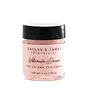
This anti-aging eye moisturizer is formulated around Citrullus Lanatus Fruit Extract and Niacinamide to soften the look of wrinkles.
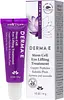
This anti-aging eye moisturizer is formulated around Niacinamide and Palmitoyl Tripeptide-38 to soften the look of wrinkles.

What's inside
What's inside
 Key Ingredients
Benefits
Concerns
Ingredients Side-by-side
Water
Skin ConditioningGlycerin
Humectant


Cocos Nucifera Oil
Masking







Stearic Acid
Cleansing
Sorbitan Stearate
Emulsifying
Simmondsia Chinensis Seed Oil
Emollient
PEG-100 Stearate
Surfactant
Glyceryl Stearate
Emollient
Vitis Vinifera Seed Oil
Emollient
Theobroma Cacao Seed Butter
Emollient
Citrullus Lanatus Fruit Extract
Skin Conditioning
Rubus Chamaemorus Seed Oil
Skin Conditioning
Hydrolyzed Hyaluronic Acid
Humectant

Hamamelis Virginiana Leaf Extract
Skin Conditioning
Aloe Barbadensis Flower Extract
EmollientTocopheryl Acetate
Antioxidant


Melia Azadirachta Flower Extract
Skin ConditioningCorallina Officinalis Extract
Skin Conditioning
Coccinia Indica Fruit Extract
Skin Conditioning
Solanum Melongena Fruit Extract
Skin ConditioningNiacinamide
Smoothing





Retinol
Skin Conditioning

Squalane
Emollient
Ceramide NP
Skin Conditioning
Essential Oil Blend
Phenoxyethanol
Preservative
Sodium Benzoate
Masking
Carbomer
Emulsion StabilisingSodium Hydroxide
BufferingWater, Glycerin, Cocos Nucifera Oil, Stearic Acid, Sorbitan Stearate, Simmondsia Chinensis Seed Oil, PEG-100 Stearate, Glyceryl Stearate, Vitis Vinifera Seed Oil, Theobroma Cacao Seed Butter, Citrullus Lanatus Fruit Extract, Rubus Chamaemorus Seed Oil, Hydrolyzed Hyaluronic Acid, Hamamelis Virginiana Leaf Extract, Aloe Barbadensis Flower Extract, Tocopheryl Acetate, Melia Azadirachta Flower Extract, Corallina Officinalis Extract, Coccinia Indica Fruit Extract, Solanum Melongena Fruit Extract, Niacinamide, Retinol, Squalane, Ceramide NP, Essential Oil Blend, Phenoxyethanol, Sodium Benzoate, Carbomer, Sodium Hydroxide
Water
Skin ConditioningCaprylic/Capric Triglyceride
Masking
Glycerin
Humectant
Niacinamide
Smoothing
Stearyl Alcohol
Emollient
Coco-Caprylate
Emollient
Glyceryl Stearate
Emollient
Capryloyl Glycerin/Sebacic Acid Copolymer
Skin ConditioningDiheptyl Succinate
EmollientDimethyl Mea
BufferingLycium Barbarum Fruit Extract
Astringent
Hamamelis Virginiana Extract
Antiseborrhoeic
Copernicia Cerifera Wax
Camellia Sinensis Leaf Extract
Antimicrobial
Centella Asiatica Meristem Cell Culture
Antioxidant
Citrus Aurantium Dulcis Fruit Extract
MaskingCitrus Medica Limonum Fruit Extract
Skin ConditioningPyrus Malus Fruit Extract
Skin Conditioning
Saccharum Officinarum Extract
MoisturisingTerminalia Ferdinandiana Fruit Extract
Antioxidant
Hydroxypropyl Cyclodextrin
MaskingPalmitoyl Tripeptide-38
Skin Conditioning
Acetyl Hexapeptide-8
Humectant
Sodium Hyaluronate
Humectant
Thioctic Acid
Antioxidant
Panthenol
Skin Conditioning
Ascorbyl Palmitate
Antioxidant
Simmondsia Chinensis Seed Oil
Emollient
Resveratrol
Antioxidant
Copper PCA
HumectantTetrahexyldecyl Ascorbate
Antioxidant
Caffeine
Skin Conditioning
Butylene Glycol
Humectant
Allantoin
Skin Conditioning
Xanthan Gum
EmulsifyingGlyceryl Stearate Citrate
Emollient
Sodium Hydroxide
BufferingPhenoxyethanol
Preservative
Ethylhexylglycerin
Skin ConditioningWater, Caprylic/Capric Triglyceride, Glycerin, Niacinamide, Stearyl Alcohol, Coco-Caprylate, Glyceryl Stearate, Capryloyl Glycerin/Sebacic Acid Copolymer, Diheptyl Succinate, Dimethyl Mea, Lycium Barbarum Fruit Extract, Hamamelis Virginiana Extract, Copernicia Cerifera Wax, Camellia Sinensis Leaf Extract, Centella Asiatica Meristem Cell Culture, Citrus Aurantium Dulcis Fruit Extract, Citrus Medica Limonum Fruit Extract, Pyrus Malus Fruit Extract, Saccharum Officinarum Extract, Terminalia Ferdinandiana Fruit Extract, Hydroxypropyl Cyclodextrin, Palmitoyl Tripeptide-38, Acetyl Hexapeptide-8, Sodium Hyaluronate, Thioctic Acid, Panthenol, Ascorbyl Palmitate, Simmondsia Chinensis Seed Oil, Resveratrol, Copper PCA, Tetrahexyldecyl Ascorbate, Caffeine, Butylene Glycol, Allantoin, Xanthan Gum, Glyceryl Stearate Citrate, Sodium Hydroxide, Phenoxyethanol, Ethylhexylglycerin
Ingredients Explained
These ingredients are found in both products.
Ingredients higher up in an ingredient list are typically present in a larger amount.
Glycerin (or glycerol) is a compound naturally found in your skin. It's a powerhouse humectant that pulls water into the stratum corneum.
Topically, glycerin does several things at once:
Your skin makes glycerin on its own (mostly from sebaceous oil breakdown) and shuttles it to your outermost layer of skin, or your epidermis, via aquaporin-3.
Aquaporin-3 is a transporter that is essential for normal skin hydration, elasticity, and repair. Interestingly, mice lacking in AQP3 have dry and less elastic skin that can be fully corrected with glycerin.
This ingredient is non-irritating, plays well with almost every ingredient, and works across all skin types. Typical use is anywhere between 3-10% but can go up to 79% in some leave-on products.
Just know very high concentrations (>40%) can feel tacky in low humidity.
Glycerin is the name for this ingredient in American English. British English uses Glycerol/Glycerine.
Learn more about GlycerinGlyceryl Stearate is made by reacting glycerin with stearic acid (typically sourced from plant oils like palm or coconut). It's an emulsifier, emollient, and mild occlusive.
Emulsifiers help ingredients like oil and water stay mixed so your formula stays nicely blended and uniform in texture.
This ingredient is typically used in concentrations between 1-10%. Studies have found it to be non-sensitizing, non-phototoxic, and non-photoallergenic.
A close cousin of this ingredient is Glyceryl Stearate SE ("self-emulsifying"). This just has a small amount of sodium or potassium stearate added so it can emulsify without a co-emulsifier.
Since this ingredient is an ester of a C18 fatty acid, it may not be fungal acne safe. The Malassezia yeast can potentially metabolize within the C11-C24 range.
Fun fact: The human body also creates Glyceryl Stearate naturally.
Learn more about Glyceryl StearateNiacinamide is a multitasking form of vitamin B3 that strengthens the skin barrier, reduces pores and dark spots, regulates oil, and improves signs of aging.
And the best part? It's gentle and well-tolerated by most skin types, including sensitive and reactive skin.
You might have heard of "niacin flush", or the reddening of skin that causes itchiness. Niacinamide has not been found to cause this.
In very rare cases, some individuals may not be able to tolerate niacinamide at all or experience an allergic reaction to it.
If you are experiencing flaking, irritation, and dryness with this ingredient, be sure to double check all your products as this ingredient can be found in all categories of skincare.
When incorporating niacinamide into your routine, look out for concentration amounts. Typically, 5% niacinamide provides benefits such as fading dark spots. However, if you have sensitive skin, it is better to begin with a smaller concentration.
When you apply niacinamide to your skin, your body converts it into nicotinamide adenine dinucleotide (NAD). NAD is an essential coenzyme that is already found in your cells as "fuel" and powers countless biological processes.
In your skin, NAD helps repair cell damage, produce new healthy cells, support collagen production, strengthen the skin barrier, and fight environmental stressors (like UV and pollution).
Our natural NAD levels start to decline with age, leading to slower skin repair, visible aging, and a weaker skin barrier. By providing your skin niacinamide, you're recharging your skin's NAD levels. This leads to stronger, healthier, and younger looking skin.
Another name for vitamin B3 is nicotinamide. This vitamin is water-soluble and our bodies don't store it. We obtain Vitamin B3 from either food or skincare. Meat, fish, wheat, yeast, and leafy greens contain vitamin B3.
The type of niacinamide used in skincare is synthetically created.
Learn more about NiacinamidePhenoxyethanol is one of the most widely used preservatives in skincare (and for good reason!).
It has a large spectrum of antimicrobial activity and especially effective bacteria, yeast, and mold while only having a weak effect on your skin's natural microbiome.
On a cellular level, it disrupts the cell membranes of microbes by poking holes that make the cell leak. This shuts down the chemical reactions the microbe needs to make energy so it can no longer survive.
Another perk of this ingredient is that it stays functional across a wide pH range (3-10).
You'll often see it paired with boosters like Ethylhexylglycerin; one study showed that a 1:9 ratio of Ethylhexylglycerin to Phenoxyethanol damages bacterial membranes as effectively as doubling the Phenoxyethanol concentration on its own.
Typical use concentrations range from 0.3-1% depending on the formula, and this ingredient is capped at 1% int the EU.
Safety-wise, the fear mongering does not hold up to the evidence. The EU's Scientific Committee on Consumer Safety and FDA consider it safe as a preservative at up to 1%, including for children of all ages.
Adverse systemic effects only showed up in animal studies at exposures roughly 200x higher than what people get from cosmetics. And despite its very widespread use, this ingredient is a rare sensitizer and allergic reactions are uncommon.
Learn more about PhenoxyethanolJojoba oil is one of the most well-studied plant-derived ingredients in cosmetics. It is an emollient with a special structure.
Because it is made up of 97-98% wax esters, it closely mirrors the linear monoesters found in human sebum. This makes it skin compatible, non-greasy, and lightweight.
Unlike other plant oils, jojoba wax doesn't easily penetrate skin. It mostly works in the uppermost layers as an emollient. This just means it forms a light barrier on the skin to help retain moisture.
Formulations with jojoba esters up to 90% reduced transepidermal water loss (TEWL) and increased barrier recovery by 81% (outperforming bisabolol at 47%).
Besides barrier support, the science also suggests jojoba to have anti-inflammatory effects and potential applications for skin infections, aging, and wound healing.
Fun fact: Indigenous cultures have used jojoba as a moisturizer and to help treat burns for centuries.
Fungal acne: The Malassezia yeast is known to metabolize fatty acids in the C11-24 range and jojoba's dominant fatty acid components fall into this range. This ingredient may not be fungal acne safe.
Learn more about Simmondsia Chinensis Seed OilSodium Hydroxide is also known as lye or caustic soda. It is used to adjust the pH of products; many ingredients require a specific pH to be effective.
In small amounts, sodium hydroxide is considered safe to use. However, large amounts may cause chemical burns due to its high alkaline.
Your skin has a natural pH and acid mantle. This acid mantle helps prevent harmful bacteria from breaking through. The acid mantle also helps keep your skin hydrated.
"Alkaline" refers to a high pH level. A low pH level would be considered acidic.
Learn more about Sodium HydroxideWater. It's the most common cosmetic ingredient of all. You'll usually see it at the top of ingredient lists, meaning that it makes up the largest part of the product.
So why is it so popular? Water most often acts as a solvent - this means that it helps dissolve other ingredients into the formulation.
You'll also recognize water as that liquid we all need to stay alive. If you see this, drink a glass of water. Remember to stay hydrated!
Learn more about Water

