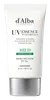
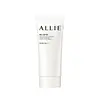
This sunscreen offers SPF 50 protection with a matte finish that helps control shine.
This hybrid sunscreen covers the full UV range and blocks ~98% of UVB at SPF 50.


What's inside
What's inside
 Key Ingredients
Benefits
Concerns
Ingredients Side-by-side
Water
Skin ConditioningCyclohexasiloxane
Emollient
Isododecane
EmollientButyloctyl Salicylate
Skin Conditioning

2,3-Butanediol
HumectantPropylheptyl Caprylate
EmollientCaprylyl Methicone
Skin Conditioning
Polyglyceryl-3 Polydimethylsiloxyethyl Dimethicone
Skin Conditioning
Magnesium Sulfate
Lauryl Polyglyceryl-3 Polydimethylsiloxyethyl Dimethicone
Skin Conditioning
Disteardimonium Hectorite
StabilisingMethyl Methacrylate Crosspolymer

Polymethylsilsesquioxane
Triethoxycaprylylsilane
1,2-Hexanediol
Skin Conditioning
Polyglyceryl-2 Dipolyhydroxystearate
Skin Conditioning

Alumina
Abrasive
Citrus Aurantium Dulcis Oil
Masking
Hippophae Rhamnoides Fruit Oil
Skin Protecting
Propylene Carbonate
SolventGlyceryl Caprylate
EmollientCaprylyl Glycol
Emollient
Citrus Nobilis Peel Oil
Masking
Ethylhexylglycerin
Skin ConditioningSodium Hyaluronate
Humectant



Litsea Cubeba Fruit Oil
Masking


Tocopherol
Antioxidant



Hydrolyzed Sodium Hyaluronate
Skin Conditioning
Ceramide NP
Skin Conditioning
Panthenol
Skin Conditioning
Melaleuca Alternifolia Leaf Water
Antimicrobial
Butylene Glycol
Humectant
Centella Asiatica Leaf Extract
Skin Conditioning
Centella Asiatica Extract
Cleansing
Water, Cyclohexasiloxane, Isododecane, Butyloctyl Salicylate, 2,3-Butanediol, Propylheptyl Caprylate, Caprylyl Methicone, Polyglyceryl-3 Polydimethylsiloxyethyl Dimethicone, Magnesium Sulfate, Lauryl Polyglyceryl-3 Polydimethylsiloxyethyl Dimethicone, Disteardimonium Hectorite, Methyl Methacrylate Crosspolymer, Polymethylsilsesquioxane, Triethoxycaprylylsilane, 1,2-Hexanediol, Polyglyceryl-2 Dipolyhydroxystearate, Alumina, Citrus Aurantium Dulcis Oil, Hippophae Rhamnoides Fruit Oil, Propylene Carbonate, Glyceryl Caprylate, Caprylyl Glycol, Citrus Nobilis Peel Oil, Ethylhexylglycerin, Sodium Hyaluronate, Litsea Cubeba Fruit Oil, Tocopherol, Hydrolyzed Sodium Hyaluronate, Ceramide NP, Panthenol, Melaleuca Alternifolia Leaf Water, Butylene Glycol, Centella Asiatica Leaf Extract, Centella Asiatica Extract
Water
Skin ConditioningZinc Oxide
Cosmetic Colorant
Alcohol Denat.
Antimicrobial


Diisopropyl Sebacate
EmollientIsononyl Isononanoate
EmollientC12-15 Alkyl Benzoate
AntimicrobialEthylhexyl Triazone
UV Absorber
Glycerin
Humectant
Dimethicone
Emollient
Drometrizole Trisiloxane
UV Absorber
Sodium Acrylate/Sodium Acryloyldimethyl Taurate Copolymer
Emulsion StabilisingBis-Ethylhexyloxyphenol Methoxyphenyl Triazine
UV Absorber
Butylene Glycol
Humectant
Isohexadecane
EmollientTriethoxycaprylylsilane
Poly C10-30 Alkyl Acrylate
Emulsion StabilisingAcrylates/Polytrimethylsiloxymethacrylate Copolymer
Skin ConditioningPEG-400
Emulsion StabilisingPolysorbate 80
Emulsifying
C30-45 Alkyl Methicone
Emollient
Xanthan Gum
EmulsifyingC30-45 Olefin
Skin ConditioningSorbitan Oleate
Emulsifying
Polysilicone-9
Disodium EDTA
Sodium Hyaluronate
Humectant
Water, Zinc Oxide, Alcohol Denat., Diisopropyl Sebacate, Isononyl Isononanoate, C12-15 Alkyl Benzoate, Ethylhexyl Triazone, Glycerin, Dimethicone, Drometrizole Trisiloxane, Sodium Acrylate/Sodium Acryloyldimethyl Taurate Copolymer, Bis-Ethylhexyloxyphenol Methoxyphenyl Triazine, Butylene Glycol, Isohexadecane, Triethoxycaprylylsilane, Poly C10-30 Alkyl Acrylate, Acrylates/Polytrimethylsiloxymethacrylate Copolymer, PEG-400, Polysorbate 80, C30-45 Alkyl Methicone, Xanthan Gum, C30-45 Olefin, Sorbitan Oleate, Polysilicone-9, Disodium EDTA, Sodium Hyaluronate
Reviews
Ingredients Explained
These ingredients are found in both products.
Ingredients higher up in an ingredient list are typically present in a larger amount.
Butylene Glycol (or BG) is used within cosmetic products for a few different reasons:
Overall, Butylene Glycol is a safe and well-rounded ingredient that works well with other ingredients.
Though this ingredient works well with most skin types, some people with sensitive skin may experience a reaction such as allergic rashes, closed comedones, or itchiness.
Learn more about Butylene GlycolSodium Hyaluronate is the salt form of hyaluronic acid. It is a long sugar chain that is naturally found in your skin, joints, and connective tissue that maintains hydration and elasticity.
In skincare, it works as a humectant. It pulls water from the environment and deeper layers of skin and binds it to the surface.
Interestingly, the size of the molecule affects its behavior:
Some clinical evidence links low molecular weight versions to improved wrinkle depth, elasticity, anti-inflammatory effects, and barrier repair.
Many serums use a blend of both weights so you can get surface hydration plus longer-lasting and deeper effects.
You'll typically see concentrations between 0.1-2% for this ingredient.
Learn more about Sodium HyaluronateTriethoxycaprylylsilane is a silicon-based surface modifier that makes sunscreens feel silky and makeup stay put.
Its main job is to coat mineral particles like titanium dioxide, zinc oxide, and color pigments in a thin, oily layer so they spread smoothly, don't clump, and stick to skin better.
This ingredient is typically used at low levels (up to 2.5% in eyeshadow and 1% in lipstick).
Learn more about TriethoxycaprylylsilaneWater. It's the most common cosmetic ingredient of all. You'll usually see it at the top of ingredient lists, meaning that it makes up the largest part of the product.
So why is it so popular? Water most often acts as a solvent - this means that it helps dissolve other ingredients into the formulation.
You'll also recognize water as that liquid we all need to stay alive. If you see this, drink a glass of water. Remember to stay hydrated!
Learn more about Water

