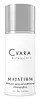
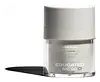
Cvara Botanicals Majafirm Treatment Serum Versus Educated Mess Sake Bomb Targeted Peptide Hydro-Burst Moisturizer
This anti-aging serum is formulated around Centella Asiatica Extract to soften the look of wrinkles.
This anti-aging moisturizer is formulated around Galactomyces Ferment Filtrate to soften the look of wrinkles and hydrate skin.

What's inside
What's inside
 Key Ingredients
Benefits
Concerns
Ingredients Side-by-side
Water
Skin ConditioningEthylhexyl Palmitate
Emollient




Isododecane
EmollientGlycerin
Humectant


Cetyl Esters
Emollient
Polyglyceryl-6 Distearate
Emulsifying
Caprylic/Capric Triglyceride
Masking
Acetyl Heptapeptide-9
Skin Conditioning
Gold
Cosmetic ColorantPalmitoyl Tetrapeptide-50
Skin Conditioning
Heptapeptide-15 Palmitate
Skin Conditioning
Palmitoyl Hexapeptide-52
Skin Conditioning
Palmitoyl Heptapeptide-18
Skin Conditioning
Withania Somnifera Root Extract
Skin Conditioning
Leontopodium Alpinum Callus Culture Extract
Antioxidant
Sodium Hyaluronate
Humectant


Ananas Sativus Fruit Extract
Skin ConditioningChamomilla Recutita Flower Extract
Masking
Calendula Officinalis Flower Extract
Masking
Centella Asiatica Extract
Cleansing
Arnica Montana Flower Extract
Masking
Hordeum Vulgare Extract
EmollientCucumis Sativus Seed Oil
Emollient
Squalane
Emollient
Helianthus Annuus Seed Oil
Emollient
Hydrolyzed Jojoba Esters
Skin Conditioning
Jojoba Esters
Emollient
Allantoin
Skin Conditioning
Citrus Aurantium Bergamia Fruit Oil
Masking

Lavandula Angustifolia Flower Oil
Masking
Cetearyl Alcohol
Emollient
Butylene Glycol
Humectant
Xanthan Gum
EmulsifyingHydroxypropyl Methylcellulose
Emulsion StabilisingPhytosterols
Skin Conditioning
Lecithin
Emollient
Cetyl Alcohol
Emollient
Sodium Acrylates Copolymer
Polyglyceryl-3 Beeswax
Emulsifying
Ceteareth-20
Cleansing
Tocopheryl Acetate
Antioxidant

Ceteth-10
EmulsifyingLaureth-4
Emulsifying
Dimethicone Crosspolymer-3
Skin Conditioning
Dimethicone
Emollient
Lactic Acid/Glycolic Acid Copolymer
Skin ConditioningCitric Acid
Buffering
Polyvinyl Alcohol
1,2-Hexanediol
Skin Conditioning
Vanillin
Masking
Hydroxyacetophenone
Antioxidant
Water, Ethylhexyl Palmitate, Isododecane, Glycerin, Cetyl Esters, Polyglyceryl-6 Distearate, Caprylic/Capric Triglyceride, Acetyl Heptapeptide-9, Gold, Palmitoyl Tetrapeptide-50, Heptapeptide-15 Palmitate, Palmitoyl Hexapeptide-52, Palmitoyl Heptapeptide-18, Withania Somnifera Root Extract, Leontopodium Alpinum Callus Culture Extract, Sodium Hyaluronate, Ananas Sativus Fruit Extract, Chamomilla Recutita Flower Extract, Calendula Officinalis Flower Extract, Centella Asiatica Extract, Arnica Montana Flower Extract, Hordeum Vulgare Extract, Cucumis Sativus Seed Oil, Squalane, Helianthus Annuus Seed Oil, Hydrolyzed Jojoba Esters, Jojoba Esters, Allantoin, Citrus Aurantium Bergamia Fruit Oil, Lavandula Angustifolia Flower Oil, Cetearyl Alcohol, Butylene Glycol, Xanthan Gum, Hydroxypropyl Methylcellulose, Phytosterols, Lecithin, Cetyl Alcohol, Sodium Acrylates Copolymer, Polyglyceryl-3 Beeswax, Ceteareth-20, Tocopheryl Acetate, Ceteth-10, Laureth-4, Dimethicone Crosspolymer-3, Dimethicone, Lactic Acid/Glycolic Acid Copolymer, Citric Acid, Polyvinyl Alcohol, 1,2-Hexanediol, Vanillin, Hydroxyacetophenone
Water
Skin ConditioningCyclopentasiloxane
Emollient
Dimethicone
Emollient
Glycerin
Humectant
Aloe Barbadensis Leaf Juice
Skin Conditioning
Dimethicone/PEG-10/15 Crosspolymer
Squalane
Emollient
Maris Sal
Skin ConditioningGalactomyces Ferment Filtrate
Humectant
Palmitoyl Tetrapeptide-50
Skin Conditioning
Heptapeptide-15 Palmitate
Skin Conditioning
Sodium Hyaluronate
Humectant
Bacillus Ferment
Skin Conditioning
Panthenol
Skin Conditioning
Oryza Sativa Lees Extract
Skin ConditioningTocopherol
Antioxidant
Xanthan Gum
EmulsifyingLactic Acid/Glycolic Acid Copolymer
Skin ConditioningPolyvinyl Alcohol
Helianthus Annuus Seed Oil
Emollient
Butylene Glycol
Humectant
Hydroxyacetophenone
Antioxidant
1,2-Hexanediol
Skin Conditioning
Phenoxyethanol
Preservative
Caprylyl Glycol
Emollient
Glyceryl Caprylate
EmollientPhenylpropanol
Masking
Water, Cyclopentasiloxane, Dimethicone, Glycerin, Aloe Barbadensis Leaf Juice, Dimethicone/PEG-10/15 Crosspolymer, Squalane, Maris Sal, Galactomyces Ferment Filtrate, Palmitoyl Tetrapeptide-50, Heptapeptide-15 Palmitate, Sodium Hyaluronate, Bacillus Ferment, Panthenol, Oryza Sativa Lees Extract, Tocopherol, Xanthan Gum, Lactic Acid/Glycolic Acid Copolymer, Polyvinyl Alcohol, Helianthus Annuus Seed Oil, Butylene Glycol, Hydroxyacetophenone, 1,2-Hexanediol, Phenoxyethanol, Caprylyl Glycol, Glyceryl Caprylate, Phenylpropanol
Reviews
Ingredients Explained
These ingredients are found in both products.
Ingredients higher up in an ingredient list are typically present in a larger amount.
1,2-Hexanediol is a synthetic liquid and another multi-functional powerhouse.
It is a:
- Humectant, drawing moisture into the skin
- Emollient, helping to soften skin
- Solvent, dispersing and stabilizing formulas
- Preservative booster, enhancing the antimicrobial activity of other preservatives
Butylene Glycol (or BG) is used within cosmetic products for a few different reasons:
Overall, Butylene Glycol is a safe and well-rounded ingredient that works well with other ingredients.
Though this ingredient works well with most skin types, some people with sensitive skin may experience a reaction such as allergic rashes, closed comedones, or itchiness.
Learn more about Butylene GlycolDimethicone is a type of synthetic silicone created from natural materials such as quartz. It is also known as polydimethylsiloxane.
What it does:
Dimethicone comes in different viscosities:
Depending on the viscosity, dimethicone has different properties.
Ingredients lists don't always show which type is used, so we recommend reaching out to the brand if you have questions about the viscosity.
This ingredient is unlikely to cause irritation because it does not get absorbed into skin. However, people with silicone allergies should be careful about using this ingredient.
Note: Dimethicone may contribute to pilling. This is because it is not oil or water soluble, so pilling may occur when layered with products. When mixed with heavy oils in a formula, the outcome is also quite greasy.
Learn more about DimethiconeGlycerin (or glycerol) is a compound naturally found in your skin. It's a powerhouse humectant that pulls water into the stratum corneum.
Topically, glycerin does several things at once:
Your skin makes glycerin on its own (mostly from sebaceous oil breakdown) and shuttles it to your outermost layer of skin, or your epidermis, via aquaporin-3.
Aquaporin-3 is a transporter that is essential for normal skin hydration, elasticity, and repair. Interestingly, mice lacking in AQP3 have dry and less elastic skin that can be fully corrected with glycerin.
This ingredient is non-irritating, plays well with almost every ingredient, and works across all skin types. Typical use is anywhere between 3-10% but can go up to 79% in some leave-on products.
Just know very high concentrations (>40%) can feel tacky in low humidity.
Glycerin is the name for this ingredient in American English. British English uses Glycerol/Glycerine.
Learn more about GlycerinHelianthus Annuus Seed Oil is a plant oil derived from the seeds of a sunflower.
It is rich in fatty acids, primarily linoleic acid and oleic acid. This gives it emollient and skin conditioning properties.
The reason this ingredient is so effective is because it forms a thin film on the skin that reduces transepidermal water loss (TEWL) while supplying linoleic acid to the stratum corneum to improve barrier strength.
The high linoleic acid content is particularly noteworthy for acne-prone skin.
Research suggests that acne-prone skin tends to be deficient in linoleic acid in sebum. Topical application may help replenish this to support a healthier follicular environment and less comedone-promoting sebum.
One randomized study found sunflower seed oil preserved skin barrier integrity in adult volunteers with and without atopic dermatitis (outperforming olive oil).
This ingredient is well-studied, gentle, and an effective emollient suitable for most skin types.
On fungal acne: This ingredient may not be Fungal acne (Malassezia folliculitis) safe. This is because it contains fatty acids with carbon chain lengths in the C11-C24 range.
Learn more about Helianthus Annuus Seed OilHeptapeptide-15 Palmitate is a synthetic targeting peptide. It's made up of seven amino acids with a palmitic acid tail attached.
This fatty acid attachment increases the molecule's hydrophobicity, improves stability, reduces enzyme degradation, and enhances its ability to cross the skin's lipid barrier (this is a common challenge for peptides).
As a targeting peptide, it sits on the outer shell of an encapsulated ingredient system and seeks out receptors on collagen and elastin producing cells in skin.
Once it binds, the cell internalizes the capsule and releases the active payload inside; it essentially acts as a GPS guiding ingredients to the right place.
It also mimicks the skin's natural growth factors to support skin firmness by upping production of collagen, elastin, glycosaminoglycans (GAGs).
Most of the evidence for this ingredient comes from manufacturer in vitro data, so independent clinical trials are still limited. However, the underlying mechanism is well-supported by the broader cosmetic peptide literature.
Fungal acne note:
Usually a palmitic acid component can feed Malassezia in unbound form, but here is is covalently bonded to the peptide. This means it is very difficult for Malassezia to access, and therefore very unlikely to cause fungal acne.
Hydroxyacetophenone is a small phenolic molecule that earns its place in a formulas as an antioxidant and preservative booster.
As a phenol, it is able to neutralize free radicals to protect both the product and the skin from oxidative stress.
Though it can't kill microbes on its own, it works as a good supporting agent when combined with other preservatives like Phenoxyethanol or 1,2-Hexanediol.
This ingredient naturally occurs as piceol in Norwegian spruce needles (~0.4-1.1% dry weight and in cloudberries). Though the cosmetic-grade material is synthesized for purity and consistency.
You'll usually see it used at low levels and suppliers recommend up to 1% added to a water phase.
Safety testing was done at concentrations like 0.05% in SPF products and 0.5% in a Human Repeated Insult Patch Test. The safety evidence is assuring; this ingredient is safe for cosmetics in current use and also holds safety status as a food flavoring as well.
An honest caveat: the "soothing" and "anti-inflammatory" claims come mostly from supplier marketing rather than published clinical trials. The Cosmetic Ingredient Review's own literature search found no useful efficacy studies on this ingredient.
So the antioxidant and preservative-boosting roles are the well supported ones while the calming benefit is plausible but thinly evidenced.
Overall, this is a well-tolerated, low-irritation multitasker that quietly helps a formula stay fresh and stable.
Learn more about HydroxyacetophenoneThis ingredient is a combination of two AHAs, lactic acid and glycolic acid. It has exfoliating properties
Palmitoyl Tetrapeptide-50 is a peptide.
We don't have a description for Polyvinyl Alcohol yet.
Sodium Hyaluronate is the salt form of hyaluronic acid. It is a long sugar chain that is naturally found in your skin, joints, and connective tissue that maintains hydration and elasticity.
In skincare, it works as a humectant. It pulls water from the environment and deeper layers of skin and binds it to the surface.
Interestingly, the size of the molecule affects its behavior:
Some clinical evidence links low molecular weight versions to improved wrinkle depth, elasticity, anti-inflammatory effects, and barrier repair.
Many serums use a blend of both weights so you can get surface hydration plus longer-lasting and deeper effects.
You'll typically see concentrations between 0.1-2% for this ingredient.
Learn more about Sodium HyaluronateSqualane is the hydrogenated and shelf-stable form of squalene (a lipid that naturally occurs in human sebum).
It is an emollient and skin conditioning agent that is able to integrate seamlessly into the skin's lipid barrier without clogging pores.
This is due to how structurally similar it is to what your skin already produces.
Though it is mostly an emollient that helps soften and hydrate skin, it also has some humectant and occlusive action. Humectants help the skin retain moisture while occlusives seal it in, making squalane a triple-threat moisturizer.
Research shows it has antioxidant capabilities that help protect against stressors like UV exposure, specifically UVA induced oxidative stress. This study also found that it supports collagen biosynthesis in human dermal fibroblasts.
No clinical study has reported significant adverse effects and irritation reactions are very rare from this ingredient (even at 100% concentration).
Overall, it's a fantastic ingredient for hydration and is suitable for all skin types.
This depends on the source. Squalane can be derived from both plants and animals. Most squalane used in skincare comes from plants.
Please note: the source of squalane is only known if disclosed by the brand. We recommend reaching out to the brand if you have any questions about their squalane.
Read more about squalene with an "e".
Though squalane is often called an oil, it’s technically not one. It is a hydrocarbon, meaning it is only made of carbon and hydrogen. True oils are triglycerides and made of fatty acids and glycerol.
The term “oil-free” isn’t regulated so companies can define it however they want. Some exclude all oils, while others just avoid mineral oil or comedogenic oils.
Squalane has a comedogenic rating of 1 from the original 1972 study that tested raw ingredients under occlusion on rabbit ears. This system is not standardized or peer-reviewed, and using the raw ingredients is very different from how diluted cosmetic formulations are used on human skin.
A comedogenic rating of 1 means it is "unlikely to clog pores" according to the original rating system.
The overall formula of a product matters more than the individual ingredients on whether or not it will cause clogged pores.
Learn more about SqualaneWater. It's the most common cosmetic ingredient of all. You'll usually see it at the top of ingredient lists, meaning that it makes up the largest part of the product.
So why is it so popular? Water most often acts as a solvent - this means that it helps dissolve other ingredients into the formulation.
You'll also recognize water as that liquid we all need to stay alive. If you see this, drink a glass of water. Remember to stay hydrated!
Learn more about WaterXanthan gum is used as a stabilizer and thickener within cosmetic products. It helps give products a sticky, thick feeling - preventing them from being too runny.
On the technical side of things, xanthan gum is a polysaccharide - a combination consisting of multiple sugar molecules bonded together.
Xanthan gum is a pretty common and great ingredient. It is a natural, non-toxic, non-irritating ingredient that is also commonly used in food products.
Learn more about Xanthan Gum

